3D Clothing Design Software- Complete Guide for Modern Fashion Designers (2026)
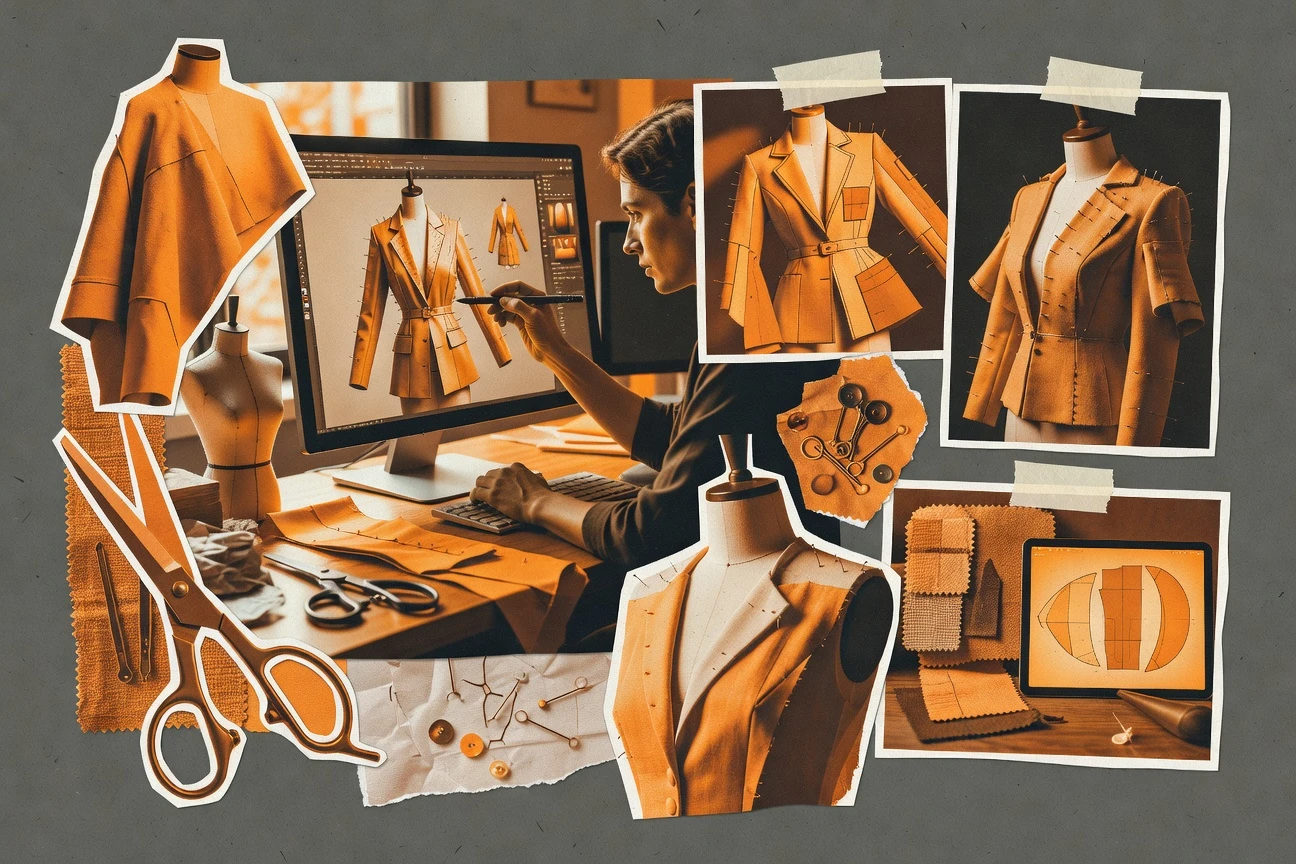
3D clothing design software is a powerful digital tool that helps fashion designers create, visualize, andtest garments in a virtual environment before production. It improves speed, accuracy, and creativity while reducing costs and fabric waste. In 2026, this technology is essential for modern fashion brands to stay competitive. With advanced simulation, realistic textures, andAI integration, it transforms traditional design workflows into faster, smarter, and more sustainable fashion production systems.
- What is 3D Clothing Design Software?
- Why is 3D Clothing Design Software Important?
- How Does 3D Clothing Design Software Work?
- Key Benefits of 3D Clothing Design Software
- Types of 3D Clothing Design Software
- Essential Features of 3D Clothing Design Software
- Popular 3D Clothing Design Software in the Market
- Who Should Use 3D Clothing Design Software?
- Challenges of 3D Clothing Design Software
- Future of 3D Clothing Design Software
- FAQs
- Final Thought
- Related Post
3D clothing design software helps create, simulate, and visualize garments digitally, improving speed, accuracy, creativity, and sustainable fashion production.
What is 3D Clothing Design Software?

3D clothing design software is a digital fashion tool used to create, visualize, and simulate garments in a virtual environment before physical production. It allows designers to build realistic clothing models with accurate fabric behavior, including texture, drape, fit, and movement. Instead of relying on traditional sketches and multiple physical samples, designers can test and refine ideas instantly on a 3D avatar. This helps reduce production costs, save time, improve accuracy, and make the entire fashion design process more efficient and sustainable.
Why is 3D Clothing Design Software Important?
The fashion industry has always relied on physical sampling, which is expensive and time-consuming. 3D clothing design software solves this problem by digitizing the entire design process.
It helps brands achieve:
- Faster product development
- Lower production costs
- Better design accuracy
- Reduced fabric waste
- Improved time-to-market
Because of these benefits, global fashion brands are shifting toward digital fashion design workflows.
How Does 3D Clothing Design Software Work?
The 3D clothing design software works by combining pattern making, simulation, and rendering to create realistic digital garments. Each stage helps designers build and refine clothing in a virtual environment before production.

Digital Pattern Creation
Designers create a 2D garment pattern or import existing designs using built-in tools to start the clothing structure.
Fabric Assignment
Different materials, textures, and fabric properties like weight, stretch, and thickness are applied to make the design realistic.
3D Simulation
The software simulates how the garment behaves on a virtual avatar, showing real-life movement and fitting.
Real-Time Editing
Designers can instantly adjust fit, shape, and style, making quick changes without starting over.
Final Rendering
The final design is rendered in high-quality visuals for presentation, approval, or production use.
Key Benefits of 3D Clothing Design Software
Modern fashion brands are adopting 3D clothing design software because it offers powerful advantages across design and production stages.
Faster Design Process
Designers can create and modify garments in minutes instead of waiting for physical samples, speeding up the entire fashion production cycle.
Lower Production Costs
By reducing the need for multiple physical samples, brands save money on fabric, labor, and logistics.
Improved Design Accuracy
Virtual simulation helps ensure better fit, shape, and fabric behavior before manufacturing begins.
Sustainable Fashion Production
Less sampling means reduced textile waste, making fashion more environmentally friendly and sustainable.
Enhanced Creativity
3D clothing design software boosts creativity by allowing designers to experiment with styles, fabrics, colors, and designs without physical limitations or material waste.
Better Collaboration
Teams can share and review designs instantly, improving communication between designers and manufacturers.
Types of 3D Clothing Design Software
Different tools serve different purposes in the fashion industry.
Pattern-Based Software
These tools focus on creating accurate garment patterns and technical construction for production-ready designs.
Simulation-Based Software
These platforms specialize in realistic fabric behavior, showing how garments move and fit in a virtual environment.
Enterprise-Level Software
Used by large fashion brands, these tools support full digital workflows from design to production management.
Beginner-Friendly Software
Designed for students and new designers, these tools offer simple interfaces and easy learning resources.
Essential Features of 3D Clothing Design Software
Choosing the right 3D clothing design software depends on its features and usability.

Realistic Fabric Simulation
It allows designers to see accurate fabric behavior such as stretch, drape, and movement in a virtual environment.
Easy-to-Use Interface
A simple and clean interface helps designers work faster and reduces the learning curve for beginners.
Avatar Customization
Designers can test garments on different body shapes and sizes to improve fit accuracy, comfort, and overall garment performance in the design stage.
Pattern-Making Tools
Advanced pattern-making tools allow designers to create, edit, and refine garment patterns with high precision, flexibility, and professional accuracy.
Material and Texture Library
A wide range of fabrics, colors, and textures helps designers create realistic garment visuals and enhance overall design creativity.
Integration Support
The software integrates with CAD and production systems to ensure smooth workflow, better collaboration, and efficient garment development process.
High-Quality Rendering
It produces realistic, high-quality visuals of garments for presentations, marketing, approvals, and client communication.
Popular 3D Clothing Design Software in the Market
- Pattern-Making Tools: Create and edit clothing patterns easily
- Avatar Customization: Test clothes on different body shapes
- Material and Texture Library: Use different fabrics and colors
- Integration Support: Connect with other design tools
- High-Quality Rendering: Make realistic clothing images
Each tool serves different levels of design complexity and production needs.
Who Should Use 3D Clothing Design Software?
This technology is useful for multiple professionals in the fashion industry.

Fashion Designers
Fashion designers use 3D clothing design software to create, test, and refine garment ideas digitally before making physical samples, saving time and improving creativity.
Fashion Brands
Brands use it to speed up product development, reduce production costs, and bring new collections to market faster with better accuracy.
Manufacturers
Manufacturers use it to improve production planning, reduce sampling errors, and ensure garments are made exactly as designed.
Students
Students learn modern digital fashion skills using 3D tools, helping them prepare for real industry requirements and jobs.
Freelancers
Freelancers use it to design professional-quality garments and compete with larger fashion companies using advanced digital tools.
Challenges of 3D Clothing Design Software
- High system requirements need powerful computer
- Learning curve is difficult for beginners
- Software can be expensive for small designers
- Requires technical knowledge of garment design
- Heavy files may slow down performance
- Regular updates can be confusing to manage
Future of 3D Clothing Design Software

The future of 3D clothing design software is very promising as the fashion industry moves toward fully digital workflows. In the coming years, it will become more advanced with the integration of AI, AR, and VR technologies, making garment design faster and more interactive. Designers will be able to create realistic clothing in real time, test virtual fittings instantly, and even run digital fashion shows without physical samples. This will make the entire fashion design process more efficient, sustainable, and globally connected.
FAQs
1. What is 3D clothing design software?
It is a digital tool used to create, simulate, and visualize garments in 3D before actual physical production.
2. Why is 3D fashion design important?
It saves time, reduces costs, improves accuracy, and supports more sustainable and efficient fashion production processes.
3. Who uses 3D clothing design software?
Fashion designers, brands, manufacturers, students, and freelancers use it for creating realistic digital garments and improving workflow.
4. Is it difficult to learn?
Some tools are advanced, but many platforms offer simple interfaces, tutorials, and beginner-friendly features for easy learning.
5. What are its main benefits?
It improves creativity, speed, collaboration, design accuracy, and reduces the need for physical garment samples.
Final Thought
3D clothing design software is transforming the fashion industry by making design faster, smarter, and more sustainable. It reduces production costs, improves accuracy, and allows designers to create realistic garments digitally. As technology evolves with AI and virtual tools, it will become an essential part of every fashion workflow, helping brands innovate and stay competitive in the global market.