Future of Commercial Property Software 2026
The future of commercial property software in 2026 is defined by rapid digital transformation, AI-driven automation, and smarter data integration. Modern platforms are shifting from basic management tools to intelligent systems that handle leases, accounting, maintenance, and tenant engagement in real time. With predictive analytics and cloud-based solutions, property managers can improve efficiency, reduce operational costs, and make faster, more accurate decisions across complex commercial real estate portfolios.
- What Is Commercial Property Management Software?
- Why Commercial Real Estate Needs Specialized Software
- The Growing Importance of Digital Transformation in Real Estate
- Key Benefits of Commercial Property Management Software
- Core Features of Commercial Property Management Software
- CAM Reconciliation and Its Importance
- Role of AI in Modern Property Management
- Integration with Business Systems
- Challenges in Selecting the Right Software
- How to Choose the Right Solution
- Future of Commercial Property Management Software
- FAQsR
- Conclusion
- Related Post
Future of Commercial Property Software 2026 focuses on AI automation, smart analytics, cloud systems, and integrated tools for efficient property management.
What Is Commercial Property Management Software?
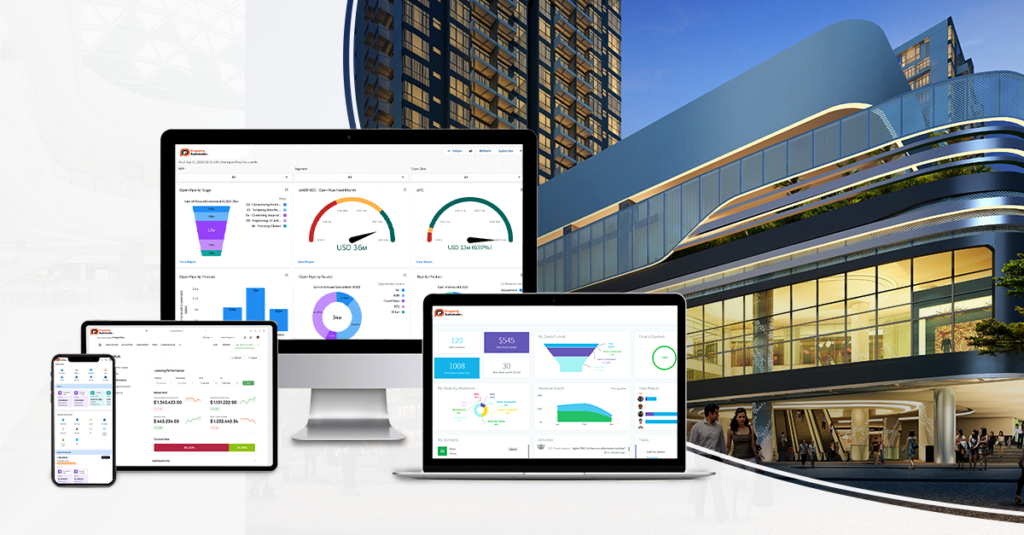
Commercial property management software is a digital system that helps manage office buildings, retail spaces, and other commercial properties in an organized way. It automates key tasks like rent collection, lease tracking, maintenance management, tenant communication, and financial reporting. Instead of using spreadsheets and manual processes, property managers can control everything from one platform, improving accuracy, saving time, and making day-to-day operations more efficient and transparent.
Why Commercial Real Estate Needs Specialized Software
- Commercial properties have complex lease structures like NNN, CPI-based escalations, and long-term contracts that require advanced tracking.
- Multiple tenants in a single building need accurate CAM and shared cost allocation systems.
- Manual tools like spreadsheets increase the risk of errors in rent, billing, and reporting.
- Property managers need real-time portfolio visibility for leases, income, and occupancy tracking.
- Specialized software improves efficiency by automating financial, lease, and maintenance workflows.
The Growing Importance of Digital Transformation in Real Estate
- Real estate operations are becoming more complex, requiring faster and more accurate digital systems.
- Traditional manual methods like spreadsheets and emails are no longer efficient for large portfolios.
- Digital transformation improves data accuracy, reporting speed, and overall operational control.
- Cloud-based platforms enable real-time access to property data from anywhere.
- Automation reduces administrative workload and improves decision-making across commercial portfolios.
Key Benefits of Commercial Property Management Software
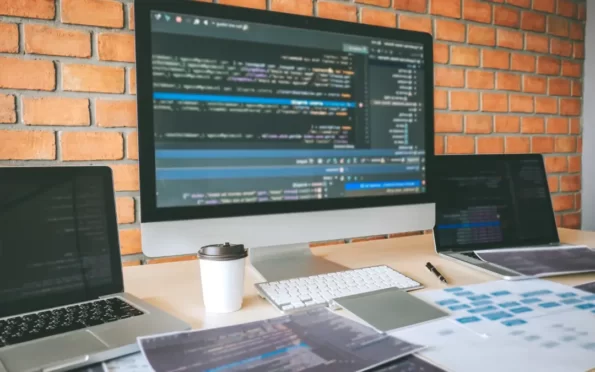
Improved Operational Efficiency
Commercial property management software automates key tasks like rent collection, lease tracking, and maintenance management, helping teams save time and reduce manual workload.
Enhanced Financial Control
It provides accurate accounting tools, budgeting features, and financial reporting that give property managers better visibility and control over income and expenses.
Stronger Tenant Relationships
Tenant portals, online payments, and faster communication channels improve tenant satisfaction and make interactions more seamless and transparent.
Reduced Human Errors
By centralizing all property data in one system, the software minimizes mistakes caused by manual data entry and disconnected spreadsheets.
Better Decision-Making
Real-time dashboards and analytics help managers understand portfolio performance and make faster, more informed business decisions.
Core Features of Commercial Property Management Software
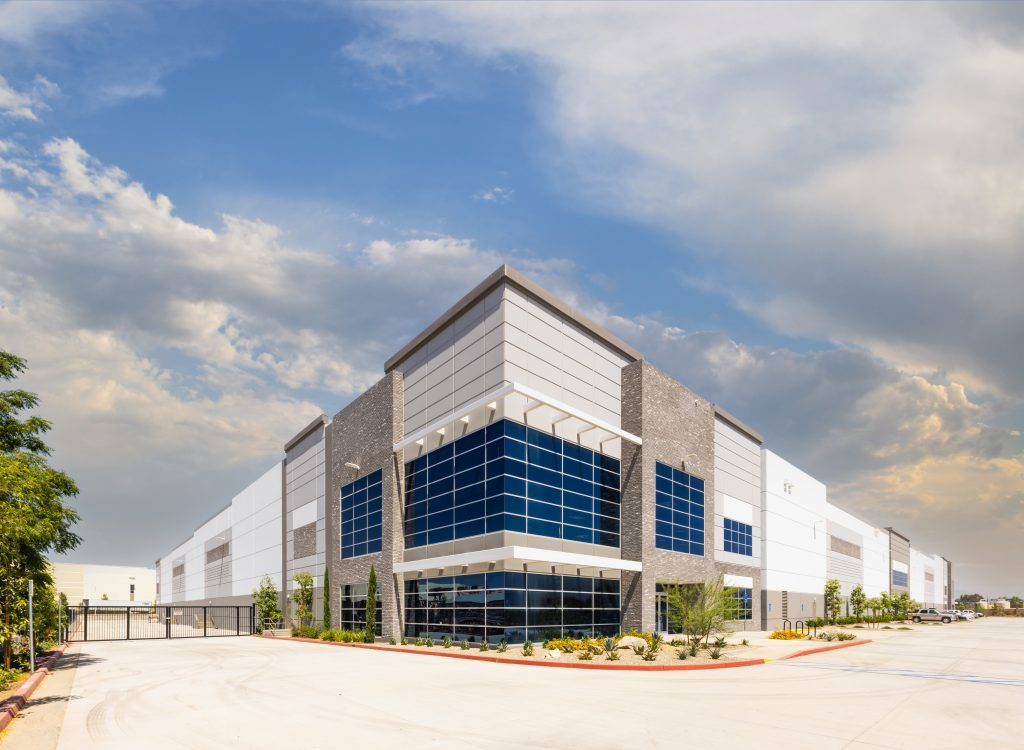
Lease Management
It centralizes all lease data including terms, renewals, rent schedules, and key dates, helping property managers avoid missed deadlines and errors.
Rent Collection
Automates invoicing, online payments, and rent tracking, ensuring smooth cash flow and reducing manual accounting work.
Accounting & Financial Management
Provides tools for budgeting, expense tracking, reporting, and full financial control across multiple properties and tenants.
Maintenance Management
Helps manage repair requests, assign tasks, track progress, and coordinate vendors for timely property maintenance.
Tenant Portals
Offers tenants self-service access for rent payments, maintenance requests, and document viewing, improving communication and convenience.
Reporting & Analytics
Delivers real-time data on occupancy, revenue, expenses, and performance to support better business decisions.
CAM Reconciliation and Its Importance
- CAM reconciliation is the process of calculating and distributing shared property expenses among tenants based on lease agreements.
- It ensures accurate allocation of costs like maintenance, security, utilities, and cleaning services.
- Helps property managers compare budgeted vs actual expenses for better financial control.
- Reduces disputes by providing transparent and detailed tenant billing statements.
- Improves financial accuracy and ensures compliance with lease terms and regulations.
Role of AI in Modern Property Management
- AI automates repetitive tasks like rent processing, lease tracking, and maintenance scheduling, reducing manual workload.
- It improves decision-making by analyzing large datasets and providing real-time insights on portfolio performance.
- Predictive analytics help identify maintenance issues before they occur, reducing downtime and repair costs.
- AI-powered lease abstraction extracts key data from documents quickly and accurately.
- It enhances tenant experience through faster responses, smarter communication, and automated support systems.
Integration with Business Systems
- Connects with accounting tools like QuickBooks and Xero
- Syncs data between CRM, ERP, and payment systems
- Reduces manual data entry and errors
- Improves workflow speed and efficiency
Challenges in Selecting the Right Software
Choosing the right platform requires careful evaluation of several factors:
Portfolio Size and Complexity
Large portfolios require advanced systems, while smaller portfolios may only need basic functionality.
Scalability
Software should grow with your business without requiring complete system replacement.
Ease of Use
A complex system may reduce productivity if users struggle to adopt it.
Implementation Time
Onboarding and data migration can take time, so planning is essential.
Support and Training
Reliable customer support ensures smooth operation after implementation.
How to Choose the Right Solution
- Check your portfolio size and property complexity
- Make sure it supports lease management and CAM handling
- Verify accounting and reporting features meet your needs
- Ensure it integrates with your existing business systems
- Look for easy-to-use interface and good customer support
Future of Commercial Property Management Software
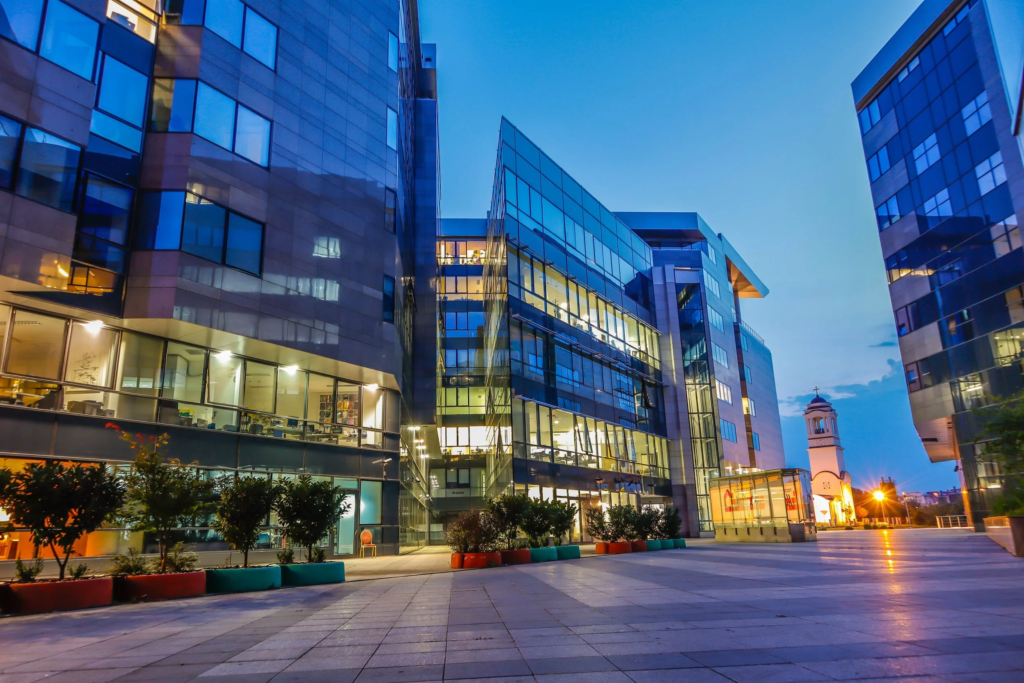
The future of commercial property management software is strongly driven by automation, artificial intelligence, and real-time data analytics. In coming years, manual property operations will continue to decline as organizations adopt fully integrated digital platforms that manage leases, accounting, maintenance, and tenant communication in one ecosystem. AI-powered insights will help predict risks, optimize occupancy, and improve financial performance across entire portfolios.
FAQsR
1. What is the future of commercial property management software?
The future includes AI-driven automation, smarter lease tracking, predictive maintenance, and real-time analytics that help property managers make faster and more accurate decisions.
2. Will AI replace property managers in the future?
AI will not replace property managers but will support them by automating repetitive tasks, improving accuracy, and providing better insights for decision-making and portfolio growth.
3. How will automation improve commercial property management?
Automation will reduce manual workload by handling rent collection, reporting, lease reminders, maintenance workflows, and tenant communication with minimal human intervention.
4. Why is data important in future property management systems?
Data will become central for predicting trends, improving occupancy rates, reducing costs, and helping managers make strategic decisions based on real-time portfolio performance.
5. What skills will property managers need in the future?
Property managers will need digital literacy, data interpretation skills, and the ability to work with AI-powered systems and integrated property management platforms.
Conclusion
The future of commercial property management software is focused on intelligent automation, AI-driven insights, and seamless system integration. These advancements will transform how properties are managed by reducing manual work and improving decision-making. As technology evolves, property managers who adopt modern digital platforms will achieve higher efficiency, better tenant satisfaction, and stronger long-term portfolio performance across commercial real estate markets.