SDR Conversion System 2026- Fix Funnel Bottlenecks
The SDR Conversion System 2026 is a structured sales framework designed to improve how inbound and outbound leads move through the funnel. It focuses on fixing conversion bottlenecks by combining lead targeting, fast response times, personalized messaging, and efficient follow-up processes. Instead of relying only on SDR effort, it aligns marketing, sales, andAI-driven workflows to ensure every qualified lead is engaged quickly, properly nurtured, and converted into meaningful sales opportunities with higher consistency and predictability.
SDR Conversion System 2026 helps fix funnel bottlenecks by improving lead response, qualification, and conversion speed using AI and structured workflows.
What is an SDR Conversion System?
AnSDR Conversion System is a structured sales framework that manages how leads are converted into meetings and opportunities. It connects marketing-generated or outbound leads with Sales Development Representatives who qualify, engage, and move them through the funnel. The system focuses on improving response time, conversation quality, and follow-up speed so fewer leads are lost. Instead of random outreach, it uses a defined workflow to ensure every lead is properly handled and efficiently converted into sales pipeline opportunities.
Why SDR Conversion Fails in Most Teams
Poor Lead Quality
SDRs often receive leads that are not properly filtered or aligned with the Ideal Customer Profile (ICP). This results in low engagement, wasted outreach efforts, and fewer meaningful conversations that can convert into meetings.
Slow Response Time
When SDRs take too long to follow up, the prospect’s interest drops quickly. In many cases, competitors engage faster and win the opportunity before any meaningful interaction happens.
No Clear Qualification System
Without structured frameworks like BANT or MEDDICC, lead evaluation becomes inconsistent. This leads to either wasting time on unqualified prospects or missing out on high-value opportunities.
Too Much Manual Work
SDRs spend a large portion of their time on non-selling tasks like research, CRM updates, and data entry. This reduces actual calling time and directly lowers conversion performance.
Weak Handoff Process
When SDRs fail to pass complete context to account executives, deals lose momentum. Reps often restart discovery, which creates friction and reduces the chance of closing the opportunity.
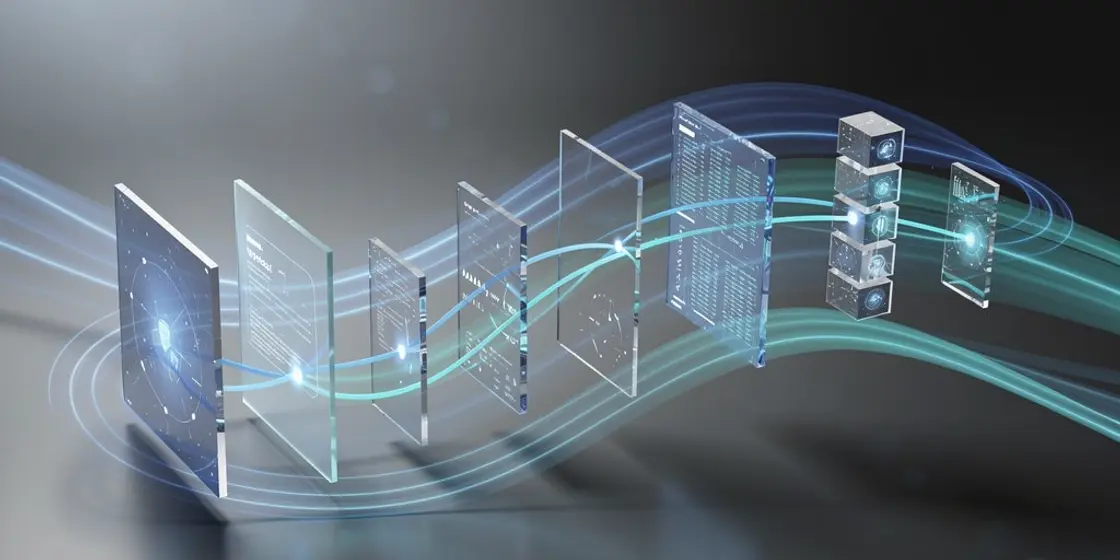
The Modern SDR Conversion System (2026 Model)

AI + Human Hybrid Workflow
Modern SDR systems combine AI tools with human SDRs. AI handles instant responses, lead sorting, and basic qualification, while humans focus on meaningful conversations and closing high-value meetings.
Instant Lead Response Engine
Speed is critical in 2026. This system ensures every inbound lead is contacted within seconds or minutes, increasing the chance of conversion before interest drops.
Structured Qualification Framework
SDRs follow clear frameworks like BANT or MEDDICC to evaluate leads consistently. This removes guesswork and ensures only high-quality prospects move forward.
Automated Routing & CRM Sync
Leads are automatically assigned to the right SDR or sales rep based on role, industry, or intent. All activity is synced in the CRM to avoid data loss and confusion.
Continuous Optimization Loop
The system constantly improves using performance data like response time, meeting rates, and conversion rates. Teams adjust workflows based on what actually drives results.
How AI is Changing SDR Conversion in 2026

Faster Lead Response
AI instantly responds to inbound leads within seconds, reducing delay and increasing chances of conversion before prospects lose interest.
Automated Lead Qualification
AI tools ask discovery questions and filter out low-quality leads, allowing SDRs to focus only on high-intent prospects.
Smart Lead Scoring
AI analyzes behavior, company data, and engagement to prioritize leads based on conversion likelihood.
Personalized Outreach at Scale
AI creates tailored messages based on industry, role, and intent, improving engagement without increasing SDR workload.
Better SDR Productivity
By handling repetitive tasks like research and CRM updates, AI allows SDRs to spend more time on real conversations and closing meetings.
Key Metrics of SDR Conversion Systems
- Lead Response Time – How quickly SDRs respond to incoming leads and start engagement
- Lead-to-Meeting Rate – Percentage of leads successfully converted into booked meetings
- Connect Rate – Number of successful connections made through calls, emails, or outreach
- Qualification Rate – Percentage of leads that meet the defined qualification criteria
- Meeting Show Rate – Percentage of scheduled meetings that actually attend the call
- Opportunity Conversion Rate – Meetings that convert into real sales opportunities
- Pipeline Velocity – Speed at which leads move through the sales funnel from first touch to deal stage
The Future of SDR Conversion
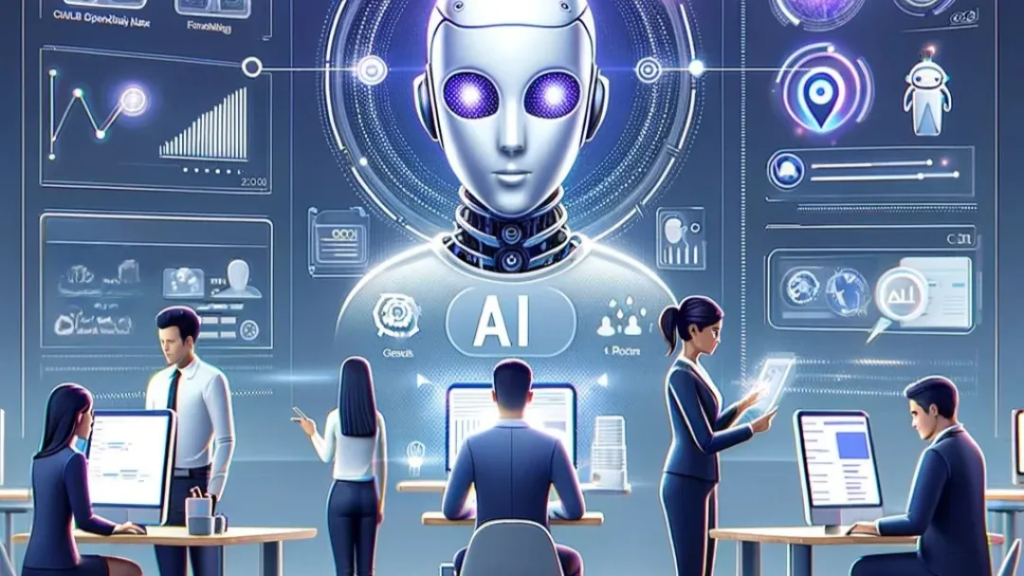
The future of SDR conversion will be driven by automation, AI, and faster decision-making systems. Instead of relying on fully manual outreach, SDR teams will use AI to handle instant lead responses, basic qualification, and lead prioritization, while human SDRs focus on meaningful conversations and closing deals.
This shift will make the conversion process faster, more accurate, and more scalable. Predictive tools will also help identify high-intent prospects early, reducing wasted effort and improving overall pipeline efficiency.
FAQs
1. What is an SDR Conversion System?
An SDR Conversion System is a structured sales process that manages inbound and outbound leads through stages like response, qualification, engagement, and meeting booking to improve pipeline efficiency and conversion rates.
2. Why is SDR response time important?
Response time is critical because leads are most interested immediately after engagement. Faster responses increase the chances of booking meetings and reduce the risk of losing prospects to competitors.
3. How does AI improve SDR conversion?
AI improves SDR conversion by providing instant lead responses, automated qualification, smart lead scoring, and personalized outreach, allowing SDRs to focus on high-value conversations instead of manual tasks.
4. What metrics define SDR performance?
Key SDR metrics include lead response time, lead-to-meeting rate, qualification rate, meeting show rate, and pipeline velocity, which together measure overall conversion efficiency.
5. What is the future of SDR conversion?
The future of SDR conversion is AI-driven and hybrid, where automation handles repetitive tasks and humans focus on relationship building, making the process faster, smarter, and more scalable.
Conclusion
SDR conversion systems are evolving from manual workflows into highly optimized, AI-supported processes. The focus is shifting toward speed, accuracy, and personalization at scale, where every lead is engaged instantly and routed efficiently. Teams that adopt structured systems with AI integration will see higher conversion rates, reduced wasted effort, and stronger pipeline performance in 2026 and beyond.