What is Retail Management Software- (Complete Guide 2026)
In today’s fast-growing retail industry, managing daily operations efficiently is essential for business success. From handling sales and inventory to managing customers and employees, retail businesses deal with multiple tasks every day. Doing all of this manually can lead to errors, delays, and lost opportunities.
- What is Retail Management Software?
- Key Features of Retail Management Software
- How Retail Management Software Works
- Types of Retail Management Software
- Benefits of Retail Management Software
- Importance in Modern Retail Industry
- Industries That Use Retail Management Software
- Challenges of Retail Management Software
- Best Practices for Using Retail Management Software
- Future of Retail Management Software
- Popular Retail Management Software Tools
- Difference Between Manual and Software-Based Retail Management
- FAQs
- Conclusion
- Related Post
This is where retail management software becomes a powerful solution. It helps retailers automate their processes, improve accuracy, and deliver better customer experiences. In 2026, retail management software is no longer optional it is a necessity for businesses that want to stay competitive.
Manual retail management is slow and error-prone, while software-based systems offer fast, accurate, automated, and efficient retail operations.
What is Retail Management Software?
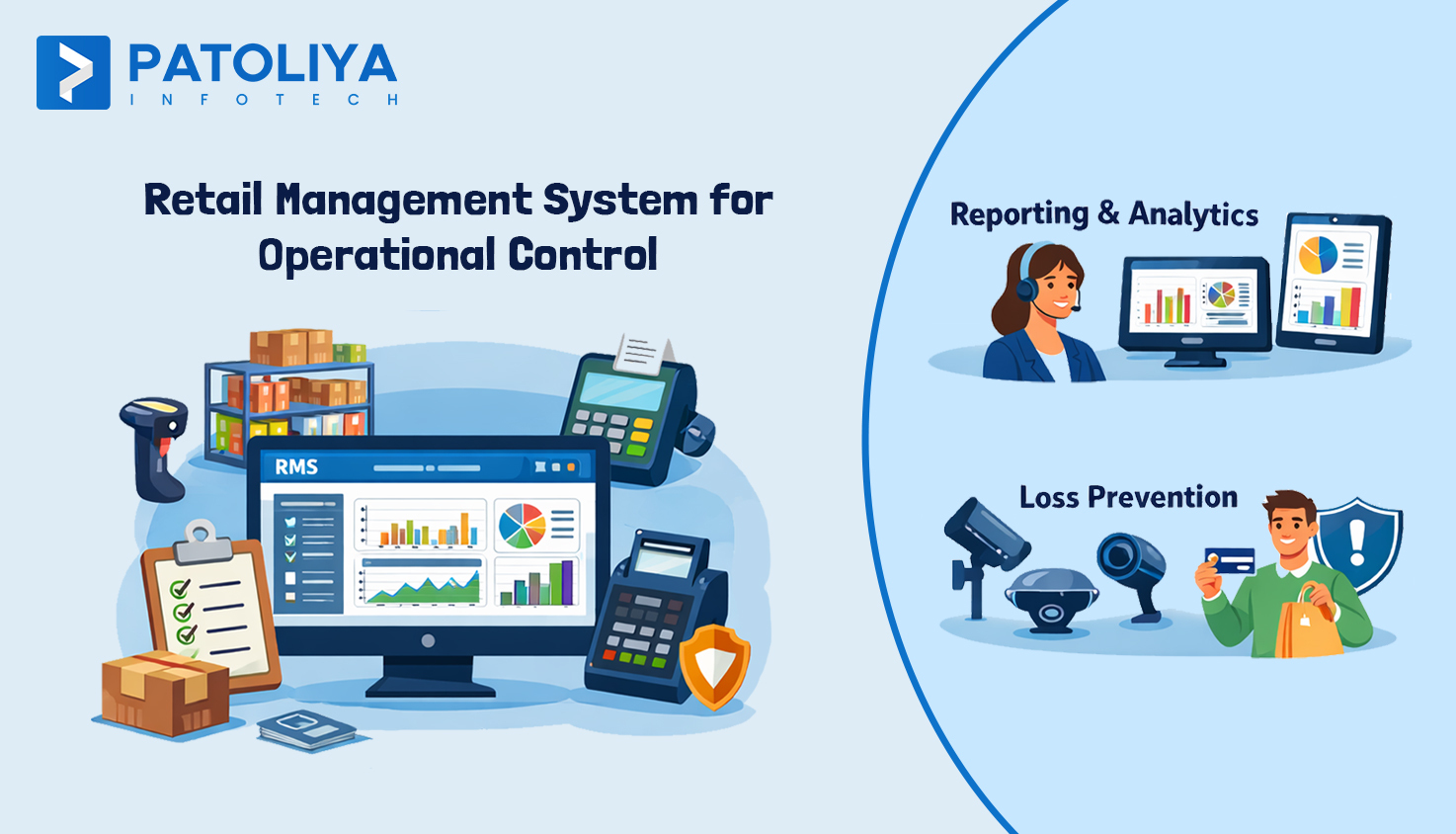
Retail management software is a digital system designed to manage and streamline all retail operations in one platform. It helps businesses handle sales transactions, inventory tracking, billing, customer management, and reporting efficiently.
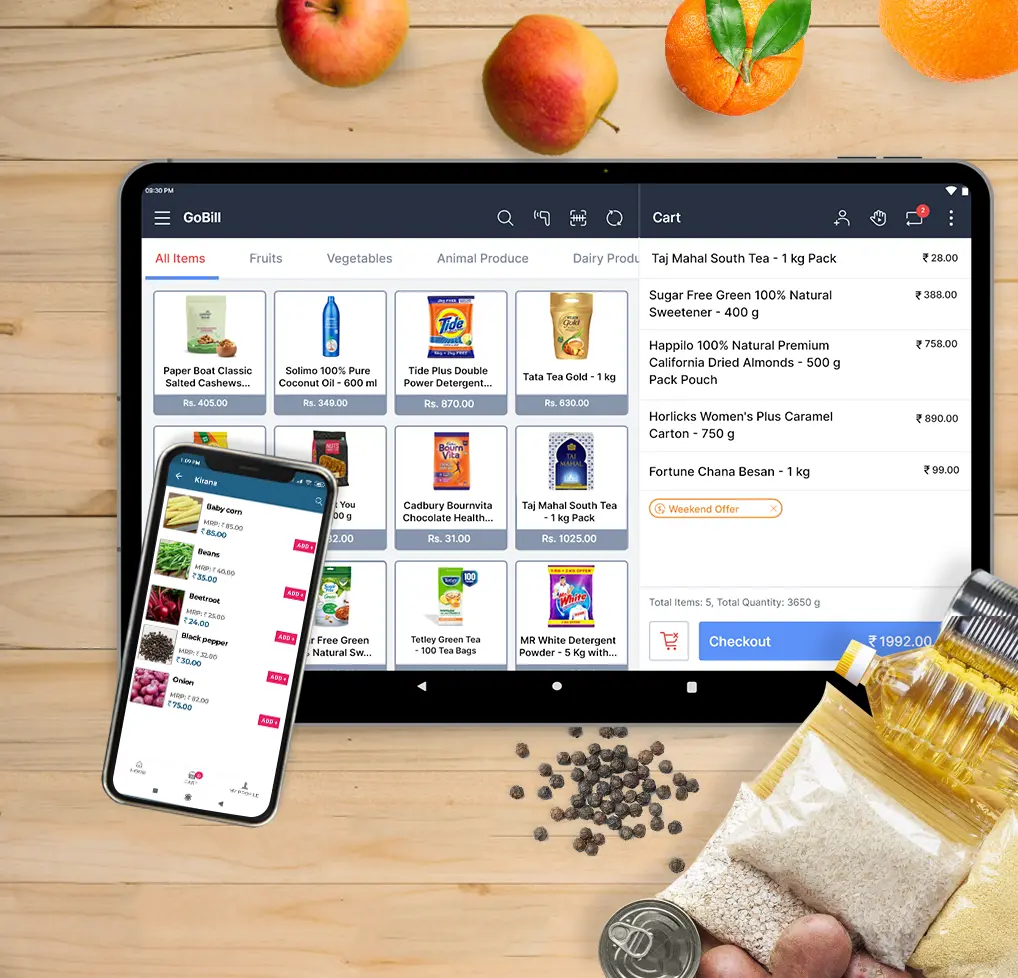
This software allows store owners to monitor stock levels, manage multiple store locations, track employee performance, and generate detailed reports. It is widely used in retail shops, supermarkets, and online stores to improve productivity and reduce manual work.
Key Features of Retail Management Software
- Point of Sale (POS) system for fast billing and transactions
- Real-time inventory management and stock tracking
- Barcode scanning for quick product identification
- Customer management to store purchase history and data
- Sales tracking and detailed reporting for analysis
- Multi-store management for handling multiple locations
- Integration with accounting and payment systems
- Employee management and access control features
- Cloud-based access for remote monitoring and control
- Automated alerts for low stock and inventory updates
How Retail Management Software Works
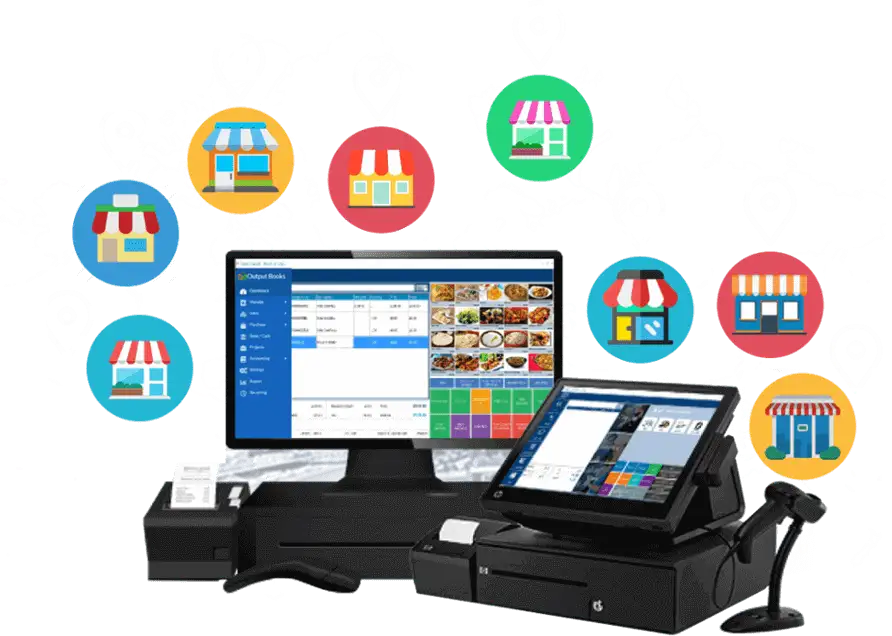
- Sales transactions are processed through the POS system and recorded instantly
- Inventory levels are automatically updated after each sale or return
- Product details are managed using barcodes or SKUs for quick identification
- Customer data is stored to track purchase history and preferences
- The system generates real-time reports for sales and performance analysis
- Data is synced across devices through cloud-based access
- Managers can monitor operations, stock, and staff activity from one dashboard
Types of Retail Management Software
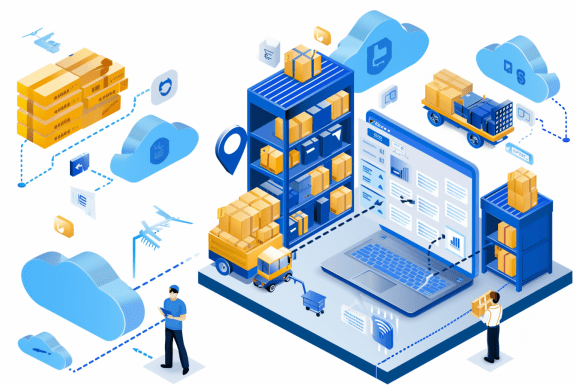
On-Premise Retail Software
Installed on local systems and servers, offering full control but requiring maintenance and hardware investment.
Cloud-Based Retail Software
Operates online and allows access from anywhere, offering flexibility and real-time updates.
POS-Based Retail Software
Focused mainly on billing and sales transactions with basic inventory features.
Omnichannel Retail Software
Designed for businesses operating both online and offline, integrating all sales channels into one system.
Benefits of Retail Management Software
- Improves efficiency by automating daily retail operations
- Reduces human errors in billing and inventory management
- Saves time with faster transactions and reporting
- Enhances customer experience with quick and accurate service
- Provides real-time insights for better decision-making
- Helps manage inventory and avoid stock shortages or overstocking
- Supports multi-store management from a single system
- Increases profitability through better control and planning
Importance in Modern Retail Industry
In the modern retail environment, speed and accuracy are critical. Retail management software helps businesses meet customer expectations by providing quick service and accurate billing.
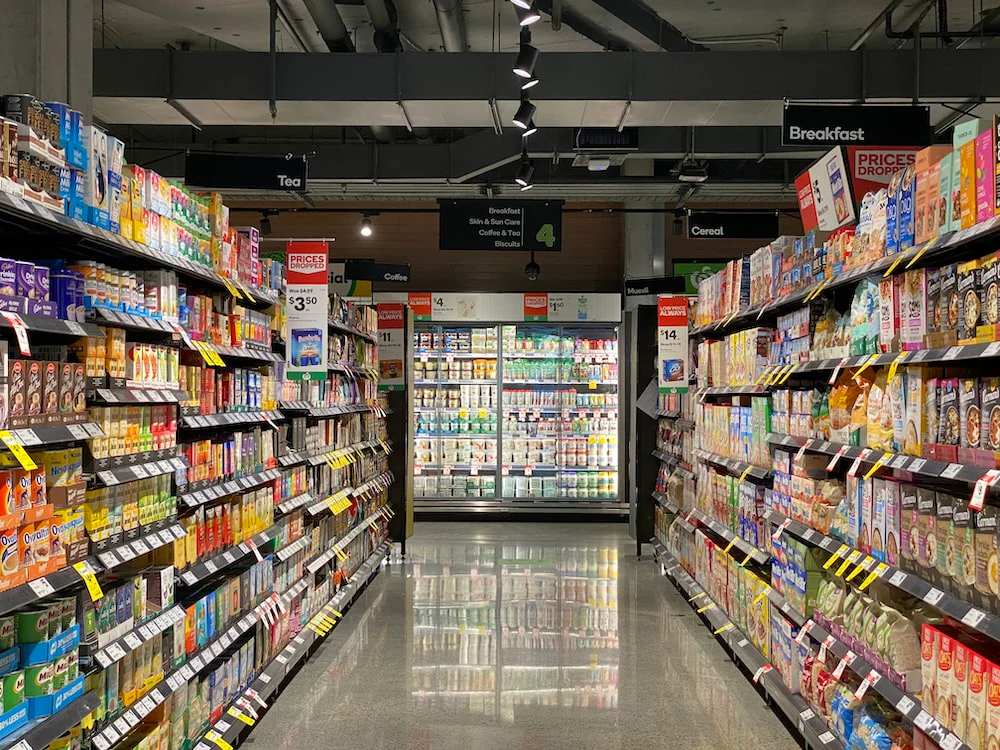
It also enables better inventory control, ensuring that products are always available when needed. With detailed reports and analytics, businesses can understand market trends and make smarter decisions. This gives retailers a competitive advantage in a fast-paced market.
Industries That Use Retail Management Software
- Supermarkets and grocery stores for daily sales and inventory tracking
- Clothing and fashion retail shops for product and stock management
- Electronics stores for handling high-value inventory and billing
- Pharmacies and medical stores for tracking medicines and expiry dates
- Furniture and home decor businesses for order and inventory control
- eCommerce and online retail platforms for managing digital sales
- Convenience stores and mini marts for quick transactions and stock updates
Challenges of Retail Management Software
- Initial setup cost can be high for small businesses
- Requires training for staff to use the system effectively
- Dependence on internet for cloud-based solutions
- Data security and privacy concerns
- Technical issues or system downtime may affect operations
- Integration challenges with existing systems or tools
- Regular updates and maintenance may be required
Best Practices for Using Retail Management Software
To get the most out of retail management software, businesses should follow best practices:
- Keep inventory data updated regularly
- Train employees on how to use the system
- Use reports to analyze sales and performance
- Integrate software with accounting and CRM tools
- Monitor system performance regularly
- Use secure passwords and data protection methods
- Backup data to avoid loss
Future of Retail Management Software
The future of retail management software is driven by advanced technologies like artificial intelligence, machine learning, and automation. These technologies will enable predictive analytics, helping businesses forecast demand and manage stock more efficiently.
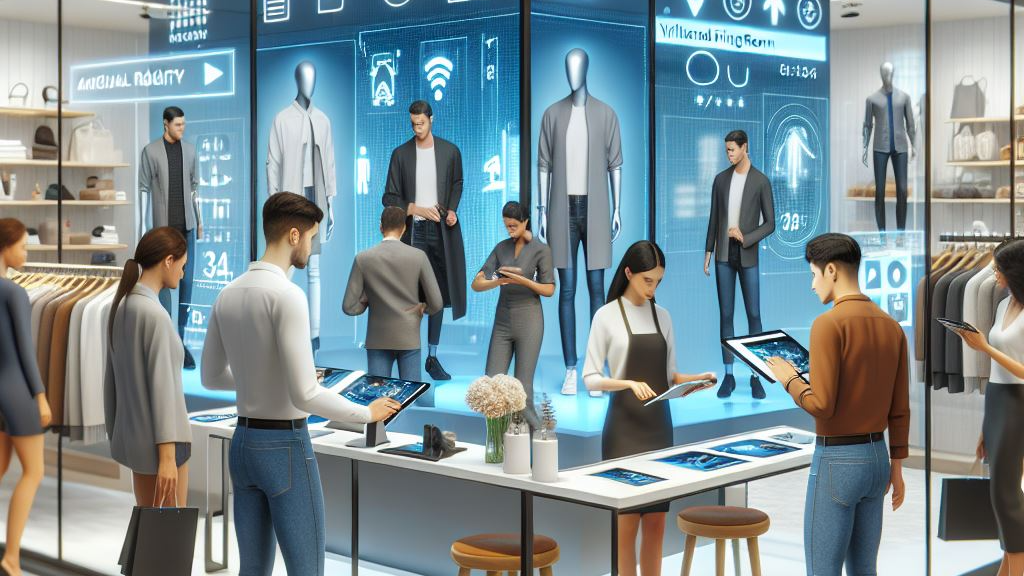
Mobile integration and cloud computing will continue to improve accessibility, allowing store owners to manage operations from anywhere. Additionally, personalized customer experiences will become more advanced through data-driven insights.
Popular Retail Management Software Tools
Lightspeed Retail
Lightspeed Retail is a cloud-based retail management software that helps businesses manage POS, inventory, sales, and customer data in one system. It is widely used for small to medium-sized retail stores due to its easy interface and powerful reporting features.
Shopify POS
Shopify POS is a retail solution that integrates online and offline sales channels. It allows businesses to manage products, payments, and inventory in real time, making it ideal for eCommerce and physical stores working together.
Square for Retail
Square for Retail is a simple and affordable POS system designed for small businesses. It offers inventory tracking, sales reporting, and payment processing with an easy-to-use interface and mobile support.
Oracle Retail
Oracle Retail is an enterprise-level retail management system designed for large businesses. It provides advanced inventory management, demand forecasting, and multi-store control for complex retail operations.
Zoho Inventory
Zoho Inventory is a cloud-based inventory and order management tool that helps retailers track stock, manage orders, and integrate with eCommerce platforms for smooth operations.
Cin7
Cin7 is an advanced retail and inventory management software that connects sales channels, warehouses, and POS systems. It is popular among growing businesses that need automation and scalability.
Difference Between Manual and Software-Based Retail Management
Manual retail management relies on traditional methods such as paper records, registers, and human calculations to handle sales, inventory, and customer data. This approach is time-consuming, more prone to errors, and difficult to manage as the business grows.
On the other hand, software-based retail management uses digital systems to automate all retail operations. It provides real-time inventory tracking, accurate billing, automated reports, and better customer management. This method is faster, more reliable, and highly efficient, making it ideal for modern retail businesses that need accuracy and scalability.
FAQs
1. What is retail management software?
Retail management software is a digital system that helps businesses manage sales, inventory, billing, and customer data efficiently in one centralized platform.
2. Who should use retail management software?
Retailers, shop owners, supermarkets, and eCommerce businesses should use this software to streamline operations, improve accuracy, and enhance overall business performance daily.
3. What are the main features of retail software?
Key features include POS systems, inventory tracking, billing, reporting, customer management, and real-time data analysis for better decision-making and business growth.
4. Is retail management software suitable for small businesses?
Yes, it is ideal for small businesses as it simplifies operations, reduces manual errors, saves time, and helps manage daily retail activities efficiently.
5. What are the benefits of retail management software?
It improves efficiency, enhances customer experience, automates tasks, reduces errors, provides insights, and helps businesses increase profitability and manage operations smoothly.
Conclusion
Retail management software is a powerful solution for managing modern retail operations efficiently. It helps businesses handle sales, inventory, and customer data in an organized way. By automating daily tasks and providing real-time insights, it improves accuracy and productivity. In 2026, it has become an essential tool for retailers to grow, compete, and deliver better customer experiences.