Employee Management Software – Complete Guide
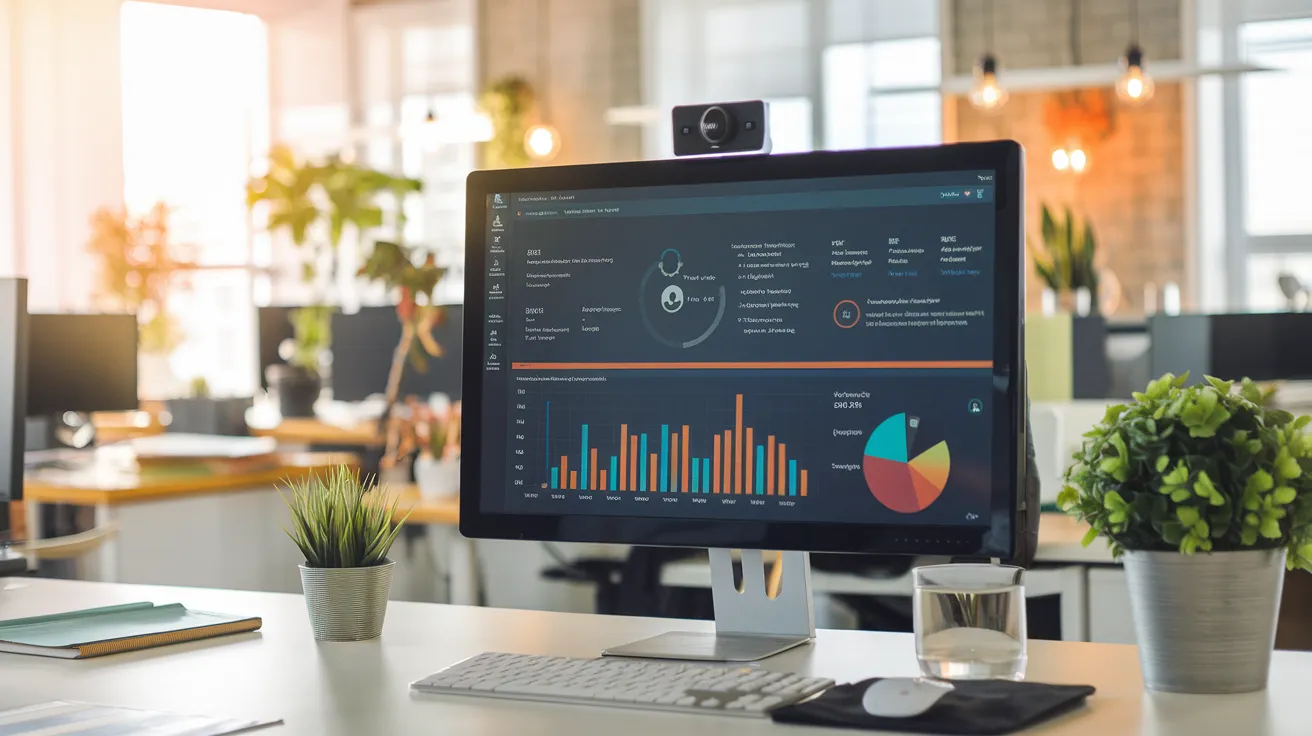
Employee management software is a digital HR solution designed to simplify and automate the management of employees within an organization. It helps businesses handle key tasks such as attendance tracking, payroll processing, performance evaluation, onboarding, and employee record management in one centralized system. This software reduces manual work, improves accuracy, and enhances productivity across teams. Whether for small businesses or large enterprises, it plays a vital role in improving efficiency, communication, and overall workforce management in today’s digital workplace
- What is Employee Management Software?
- Why Employee Management Software is Important
- Key Features of Employee Management Software
- Types of Employee Management Software
- Benefits of Employee Management Software
- How Employee Management Software Works
- Challenges Without Employee Management Software
- How to Choose the Right Employee Management Software
- Future of Employee Management Software
- FAQs
- Conclusion
- Related Post
Employee management software helps businesses automate HR tasks like payroll, attendance, and performance tracking, improving efficiency and productivity
What is Employee Management Software?
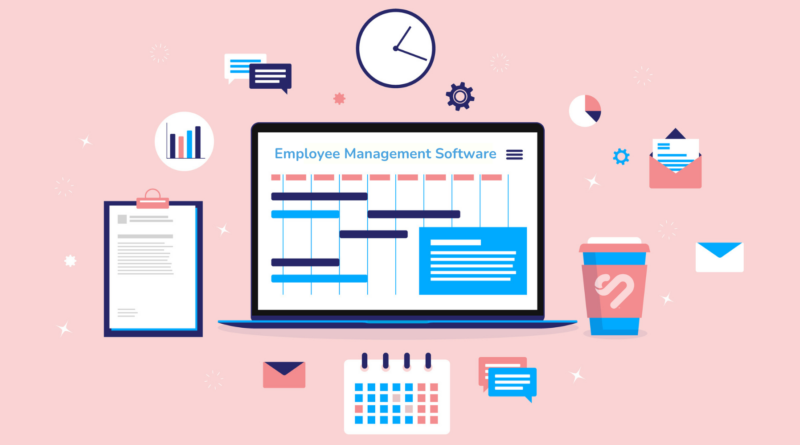
Employee management software is a digital system that helps organizations manage all employee-related activities in one centralized platform. It is designed to simplify HR processes such as employee data management, attendance tracking, payroll processing, onboarding, performance evaluation, and reporting. Instead of using manual records or multiple tools, businesses can use this software to automate tasks and improve accuracy. It ensures that employee information is stored securely and can be accessed easily whenever needed. Overall, it helps HR teams save time, reduce errors, and manage the workforce more efficiently.
Why Employee Management Software is Important
- Helps automate HR tasks like attendance, payroll, and employee records
- Saves time by reducing manual paperwork and repetitive work
- Improves accuracy and reduces errors in HR processes
- Enhances employee productivity through better task and performance tracking
- Strengthens communication between employees and management
- Supports remote and hybrid work environments effectively
- Provides real-time data for better decision-making
- Increases employee engagement and job satisfaction
- Reduces overall operational and administrative costs
- Helps HR teams focus on strategic and growth-related activities
Key Features of Employee Management Software
A good employee management system includes several important features that support HR operations.

Employee Data Management
Stores complete employee information such as personal details, job roles, salary details, and documents in one secure system.
Attendance and Time Tracking
Automatically tracks employee working hours, login/logout times, shifts, and leave requests.
Payroll Management
Helps calculate salaries, bonuses, deductions, and taxes accurately and on time.
Performance Management
Allows managers to set goals, track KPIs, and conduct performance reviews based on real data.
Onboarding System
Simplifies the hiring process by guiding new employees through structured onboarding steps.
Employee Self-Service Portal
Employees can access their own data, apply for leave, download payslips, and update personal information without HR involvement.
Reporting and Analytics
Generates reports on employee performance, attendance trends, and workforce productivity.
Types of Employee Management Software
There are different types of employee management systems depending on business needs.

HRIS (Human Resource Information System)
HRIS focuses on managing employee data, HR policies, attendance, payroll, and reporting. It is mainly used for administrative HR tasks.
HCM (Human Capital Management)
HCM includes HRIS features along with advanced tools like talent management, performance tracking, training, and workforce planning.
HRMS (Human Resource Management System)
HRMS is a complete system that combines HRIS and HCM features with payroll processing and project management tools.
Workforce Management Software
This type focuses on scheduling, shift planning, and managing employee productivity.
Time Tracking Software
Used to monitor working hours, project time, and productivity levels, especially for remote or freelance teams.
Benefits of Employee Management Software
- Improves HR efficiency by automating daily tasks
- Reduces errors in payroll, attendance, and employee records
- Saves time by eliminating manual HR processes
- Enhances employee productivity and performance tracking
- Supports better communication between teams and HR
- Helps manage remote and hybrid employees easily
- Provides real-time data for faster decision-making
- Strengthens data security and employee information management
- Reduces operational and administrative costs
- Improves overall employee satisfaction and engagement
How Employee Management Software Works
- Employee data is entered into the system and stored in a centralized database
- HR teams set up workflows for attendance, payroll, and other HR processes
- Employees clock in/out, apply for leave, and update personal details through the system
- The software automatically tracks attendance, working hours, and performance data
- Managers monitor employee activities and productivity in real time through dashboards
- Payroll and reports are generated automatically based on recorded data
- Employees and HR teams can access updates anytime through cloud-based access
- The system provides analytics and insights for better decision-making
Challenges Without Employee Management Software
- Employee data becomes scattered across spreadsheets, emails, and files
- Manual attendance tracking leads to errors and payroll mistakes
- HR teams face delays in salary processing and record updates
- Limited visibility into employee performance and productivity
- High administrative workload for HR departments
- Difficult to manage remote and hybrid teams effectively
- Increased chances of miscommunication between employees and management
- Lack of real-time data affects decision-making quality
- Higher operational costs due to manual processes
- Reduced efficiency and slower business operations
How to Choose the Right Employee Management Software
Ease of Use
The software should be simple and user-friendly so both HR teams and employees can easily navigate and use it without technical difficulty.
Scalability
Choose a system that can grow with your business and handle increasing employees, data, and HR processes over time.
Integration Options
It should integrate smoothly with payroll systems, accounting tools, and other business applications for seamless workflow.
Automation Features
Look for automation in attendance, payroll, onboarding, and reporting to reduce manual work and errors.
Reporting and Analytics
Strong reporting tools help HR teams analyze employee performance, attendance trends, and overall workforce productivity.
Cloud Accessibility
Cloud-based systems allow access anytime and anywhere, which is essential for remote and hybrid teams.
Future of Employee Management Software
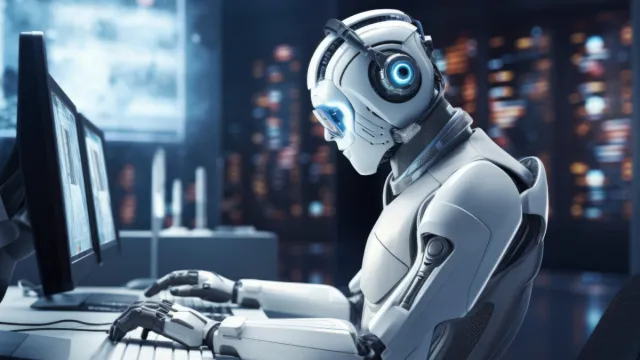
The future of employee management software is highly advanced and technology-driven. Businesses are rapidly moving toward AI-powered HR systems that can predict employee performance, automate repetitive tasks, and improve decision-making. Cloud-based platforms are becoming the standard, allowing remote access from anywhere. Future systems will focus more on employee experience, real-time analytics, and fully automated HR workflows, making organizations more efficient and data-driven.
FAQs
1-What is employee management software?
Employee management software is a digital system used to manage HR tasks such as attendance, payroll, performance, onboarding, and employee records in one centralized platform.
2-Why do companies need employee management software?
Companies need it to reduce manual HR work, improve accuracy, save time, and manage employees more efficiently.
3-Is employee management software useful for small businesses?
Yes, small businesses benefit by automating HR tasks, reducing costs, and improving productivity even with limited staff.
4-Can employee management software be used for remote teams?
Yes, cloud-based systems are perfect for managing remote and hybrid employees with real-time tracking and communication tools.
5-What are the main features of employee management software?
Key features include attendance tracking, payroll management, performance evaluation, employee database, and reporting tools.
Conclusion
Employee management software is an essential tool for modern businesses to simplify HR operations and improve productivity. It automates key tasks like attendance, payroll, and performance tracking while reducing manual effort and errors. By using this software, companies can save time, improve employee engagement, and make better data-driven decisions. It is a powerful solution for long-term business growth and efficiency.