
Rational Software Architect Tutorial
Rational Software Architect is a powerful software modeling and development platform used for designing enterprise applications through UML-based visual architecture. This tutorial explains how RSA helps developers create system models, manage software complexity, and generate Java or C++ code using model-driven development techniques. Built on the Eclipse framework, it improves collaboration, reduces development errors, and supports structured software design for scalable and maintainable enterprise-level applications.
- Understanding Rational Software Architect
- Architecture-First Development Philosophy
- Visual Modeling as the Foundation
- Model-Driven Development in Rational Software Architect
- System Design and Complexity Management
- Key Features of Rational Software Architect
- Benefits of Rational Software Architect
- Real-World Applications of RSA
- Limitations of Rational Software Architect
- Future of Rational Software Architect
- FAQ's
- Conclusion
- Related Post
Rational Software Architect Tutorial teaches UML modeling, system design, architecture planning, and code generation in a simple, beginner-friendly way.
Understanding Rational Software Architect

Rational Software Architect is an enterprise-level software design tool used to create UML-based models and manage complex system architecture. It helps developers plan software visually before coding, making systems easier to design, understand, and maintain. This model-driven approach improves accuracy, reduces errors, and supports better collaboration in large-scale software projects.
Architecture-First Development Philosophy
Rational Software Architect follows an architecture-first approach where software is designed before coding begins. This philosophy focuses on creating a complete system structure, defining components, and understanding their interactions early in the development process. It helps reduce errors, improves planning, and ensures that the final system is scalable, maintainable, andaligned with business requirements.
Visual Modeling as the Foundation
Visual modeling is one of the strongest features of RSA because it converts complex software ideas into understandable visual structures. Using UML diagrams, developers can define how the system will function, how components communicate, and how data moves through the application.
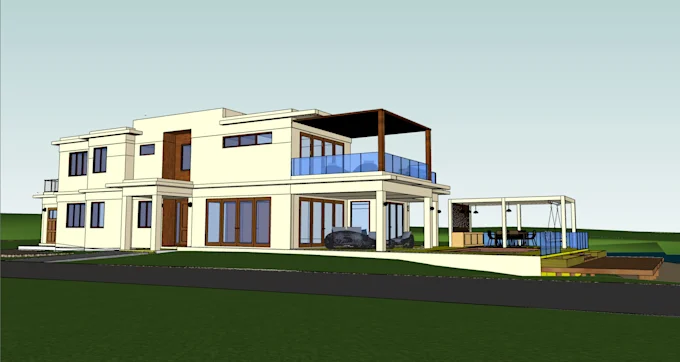
This visual approach improves communication between developers, architects, and stakeholders. It also helps identify design issues before coding begins, making development more organized and efficient.
Model-Driven Development in Rational Software Architect
Rational Software Architect uses Model-Driven Development (MDD) to design software using visual models instead of direct coding. Developers create UML diagrams first, then convert them into executable code. This approach improves accuracy, reduces manual errors, and keeps system design and implementation synchronized throughout the development process.
System Design and Complexity Management

Rational Software Architect helps manage complex software systems by breaking them into structured, manageable components and clearly defining their relationships. It provides a visual approach to system design using UML models, which makes it easier to understand architecture, workflows, and dependencies. This structured method reduces system complexity, improves maintainability, and ensures that large enterprise applications remain scalable, organized, and easier to develop and manage throughout the software lifecycle.
Key Features of Rational Software Architect
Rational Software Architect uses UML (Unified Modeling Language) to create visual diagrams like class, sequence, use case, component, and deployment diagrams. These models help developers clearly understand system structure, behavior, and interactions, making software design more organized and easier to plan.
Automated Code Generation
RSA can automatically convert UML models into working Java and C++ code. This reduces manual coding effort, minimizes errors, and ensures that the implementation closely matches the original system design.
Round-Trip Engineering
Round-trip engineering allows synchronization between models and source code. Any change made in the model reflects in the code and vice versa, keeping both design and implementation consistent throughout development.
Simulation and Validation
RSA enables developers to simulate system behavior before actual implementation. This helps identify design issues early, test architecture logic, and improve overall software reliability before coding begins.
Eclipse-Based Extensibility
Because RSA is built on the Eclipse framework, it supports plugins and IBM extensions. This makes the tool highly flexible and allows developers to extend its functionality based on project requirements.
Benefits of Rational Software Architect
Rational Software Architect provides several advantages for enterprise software development by improving design quality and reducing project risks through structured modeling and architecture-first planning.
- Improves overall software design quality
- Reduces development errors and system risks
- Speeds up development with model-based code generation
- Enhances team collaboration and communication
- Simplifies management of complex system architecture
- Supports scalable and maintainable software systems
- Improves early validation of system design
- Reduces cost and rework in large projects
Real-World Applications of RSA
Rational Software Architect is widely used in enterprise environments where systems are large, complex, and require strong architectural planning. It is especially useful in industries that need structured design before development to ensure reliability and scalability.
- Banking and financial software systems
- Telecom and communication networks
- Government and public sector applications
- Enterprise resource planning (ERP) systems
- Large-scale distributed software systems
- Healthcare information management systems
- Insurance and risk management platforms
- Defense and mission-critical systems
Limitations of Rational Software Architect
- Steep learning curve for beginners
- Requires strong UML knowledge
- Heavy and complex tool for small projects
- Less suitable for modern agile/cloud development
- Reduced usage in current software industry trends
Future of Rational Software Architect

Rational Software Architect has a limited future as a standalone tool because modern software development is moving toward cloud-native systems, DevOps practices, microservices architecture, and agile workflows. However, its core concepts like UML modeling, architecture-first design, and model-driven development still remain highly valuable in software engineering. These principles continue to influence modern architecture tools and enterprise system design approaches, even if the original RSA platform is now less widely used in current industry environments.
FAQ’s
1.What is a Rational Software Architect?
RSA is an IBM tool for UML modeling and architecture design used in model-driven software development for complex enterprise systems.
2.What is the main purpose of RSA?
RSA helps design software visually before coding, improving planning, reducing errors, and managing complex enterprise system architecture efficiently.
3.Does RSA support code generation?
Yes, RSA generates Java and C++ code automatically from UML models, reducing manual coding effort and improving accuracy.
4.Is RSA still used today?
RSA is less used today due to modern DevOps and cloud tools, but its modeling concepts remain important in software engineering.
5.What replaced RSA?
IBM Engineering Systems Design Rhapsody and modern lifecycle tools have largely replaced RSA in enterprise software development environments.
Conclusion
Rational Software Architect is a powerful UML-based modeling and architecture platform that transformed software development through model-driven engineering and architecture-first planning. It helped organizations design scalable systems, reduce development risks, and improve software quality through visual modeling and structured workflows. Although modern technologies have replaced it in many areas, its core principles continue to influence software architecture, enterprise development, and modern engineering practices across the software industry.