Rivian Software Update Air Conditioning Issues
Electric vehicles rely heavily on advanced software systems to control everything from battery performance to cabin comfort. Rivian vehicles are known for their modern technology and regular over-the-air software updates that improve features and fix bugs. However, some Rivian owners have reported air conditioning problems after installing certain software updates. These issues have become a major discussion topic among R1T and R1S drivers because climate control is essential for comfort, especially during hot weather conditions.Many users noticed that the cabin cooling system became slower, weaker, or inconsistent after updates.
- Understanding Rivian’s Climate Control System
- What Are Rivian Software Update Air Conditioning Issues?
- Common Symptoms of Rivian Air Conditioning Problems
- Why Software Updates Affect Air Conditioning Systems
- Rivian’s Over-the-Air Update System
- How Electric Vehicle HVAC Systems Differ
- Owner Experiences With Rivian AC Issues
- Climate and Weather Impact on Performance
- Temporary Fixes Shared by Rivian Owners
- Importance of HVAC Software Calibration
- Battery Thermal Management Connection
- How Rivian Responds to Software Problems
- Signs the Problem Is Software-Related
- When Hardware Problems May Exist
- Troubleshooting Rivian Air Conditioning Issues
- How OTA Updates Improve Vehicles
- Risks of Software-Controlled Vehicle Systems
- Benefits of Rivian’s Smart HVAC Technology
- Features of Rivian Climate Control Systems
- Challenges of Software-Based HVAC Systems
- Comparing Rivian With Other EV Manufacturers
- Best Practices for Rivian Owners
- Future of Rivian Climate Control Technology
- FAQs
- Conclusion
- Related Post
In some situations, the air conditioning system blew warm air before eventually cooling the cabin. Others experienced delayed compressor activation, strange airflow behavior, or climate settings that changed automatically. Since Rivian uses software-driven thermal management systems, even small changes in software code can affect HVAC performance.This article explains Rivian software update air conditioning issues, common symptoms, possible causes, troubleshooting methods, owner experiences, and future improvements expected from Rivian’s software team.
Learn about Rivian software update air conditioning issues, common HVAC problems, causes, fixes, and climate control performance after OTA updates.
Understanding Rivian’s Climate Control System
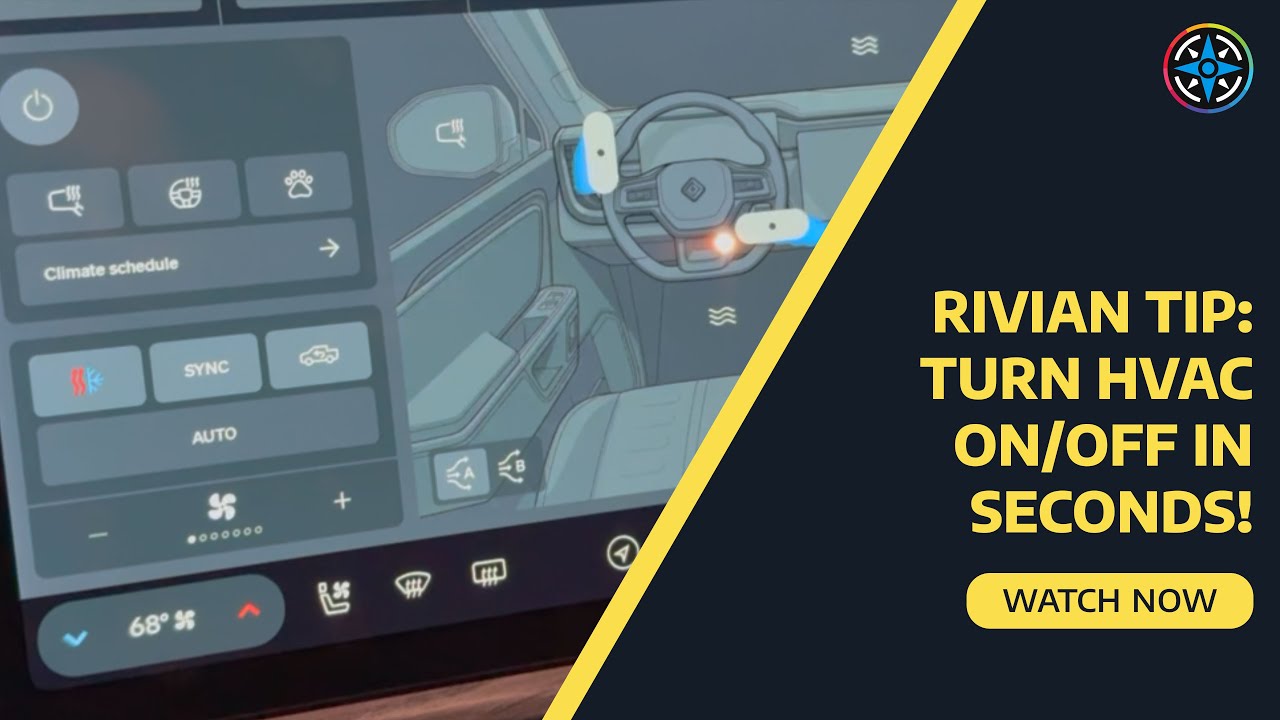
Rivian vehicles use an advanced climate control system that is heavily managed by intelligent software and thermal management technology. Unlike traditional gasoline vehicles, Rivian electric vehicles must carefully balance cabin comfort, battery temperature, and energy efficiency at the same time.
The HVAC system automatically controls cooling, heating, airflow, humidity levels, and cabin temperature using multiple sensors and software algorithms. It also works closely with the battery cooling system to maintain safe operating temperatures during driving and charging. Because the entire climate system depends on software communication, even small software updates can affect air conditioning performance, airflow behavior, and cooling response.
What Are Rivian Software Update Air Conditioning Issues?
Rivian software update air conditioning issues refer to cooling and HVAC problems that some owners experience after installing new over-the-air software updates in their vehicles. These issues may include delayed cooling, warm air coming from the vents, weak airflow, inconsistent cabin temperatures, or climate controls not responding properly.
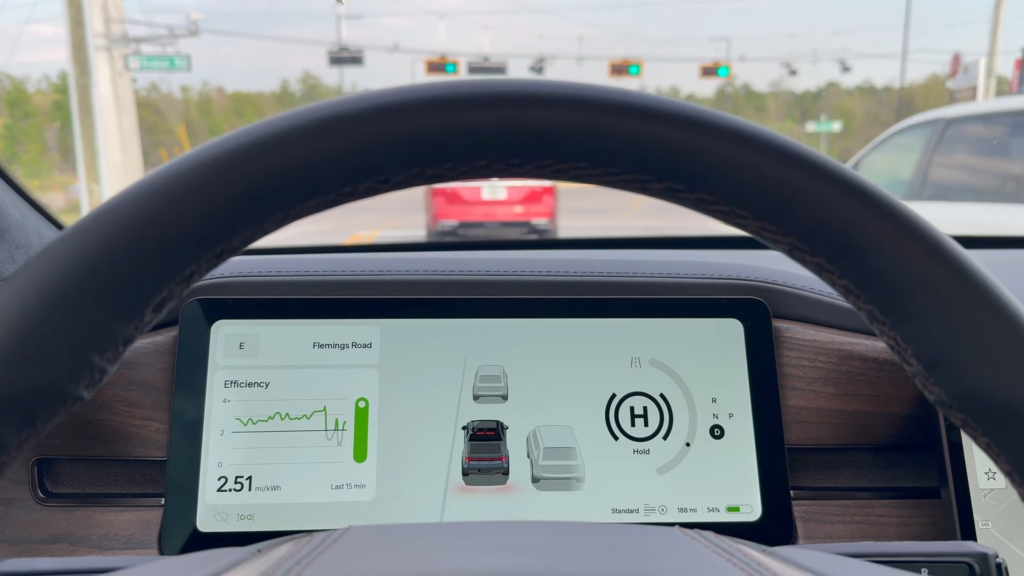
Many Rivian drivers reported that their air conditioning systems worked normally before the software update but started behaving differently afterward. Since Rivian vehicles rely heavily on software-controlled thermal management systems, even minor software changes can affect the performance of the air conditioning and cabin climate control features.
Common Symptoms of Rivian Air Conditioning Problems
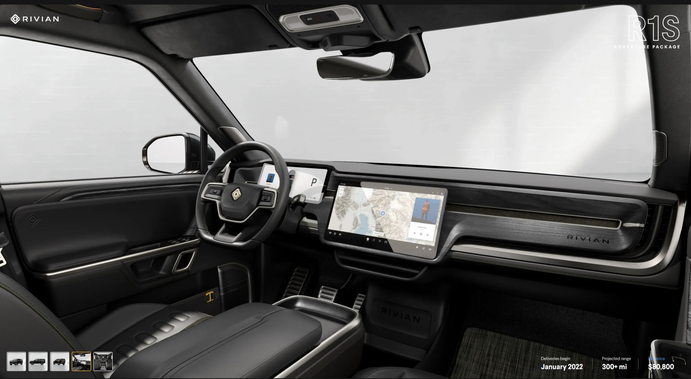
Warm Air During Startup
One of the most common complaints is warm air blowing from the vents for several minutes before cooling starts. This problem becomes more noticeable during hot summer days.
Delayed Compressor Activation
Some owners report that the compressor takes too long to activate after turning on climate control. The delay can make the cabin uncomfortable in high temperatures.
Weak Cooling Performance
Several users noticed that the cabin does not cool as effectively as before the update. The airflow may feel weaker even when the fan speed is high.
Inconsistent Temperature Control
Drivers sometimes experience temperature fluctuations where the system suddenly becomes colder or warmer without manual adjustment.
Cabin Preconditioning Failure
Remote climate preconditioning through the Rivian app may stop functioning properly after a software update.
Unexpected Climate Setting Changes
Some owners report that fan speed, airflow direction, or temperature settings change automatically without user input.
Why Software Updates Affect Air Conditioning Systems
Modern Rivian vehicles depend heavily on software to manage important systems, including air conditioning and thermal management. The HVAC system uses sensors, electronic controls, and intelligent algorithms to regulate cabin temperature, airflow, compressor activity, and battery cooling. When Rivian releases a software update, it may adjust how these systems communicate and operate.
Even small software changes can affect cooling performance, fan behavior, humidity control, or energy efficiency settings. Since electric vehicles must balance cabin comfort with battery temperature management, software updates can sometimes unintentionally create temporary air conditioning issues or cooling delays.
Rivian’s Over-the-Air Update System
Rivian’s over-the-air (OTA) update system is designed to improve vehicle performance, add new features, and fix software issues without requiring a visit to a service center. These updates are delivered wirelessly and can enhance different areas of the vehicle, including infotainment, driving assistance, battery management, and climate control systems.
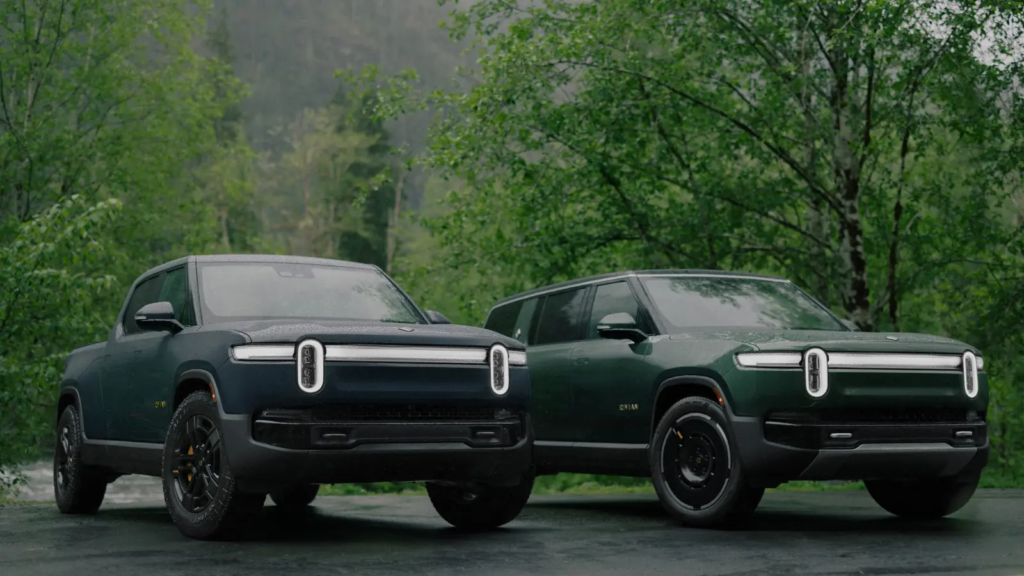
Because Rivian vehicles are highly software-dependent, the OTA system plays a key role in continuously improving functionality and user experience. However, since these updates modify complex systems, they can sometimes introduce temporary glitches or unexpected behavior, including air conditioning or HVAC performance changes, until further patches are released.
How Electric Vehicle HVAC Systems Differ
Electric vehicle HVAC systems in Rivian and similar EVs work differently from traditional fuel-powered vehicles because they rely on electric compressors and advanced software-based thermal management instead of engine heat. In EVs, the air conditioning system is directly connected to battery efficiency and range optimization, meaning it must balance cabin comfort with energy consumption.
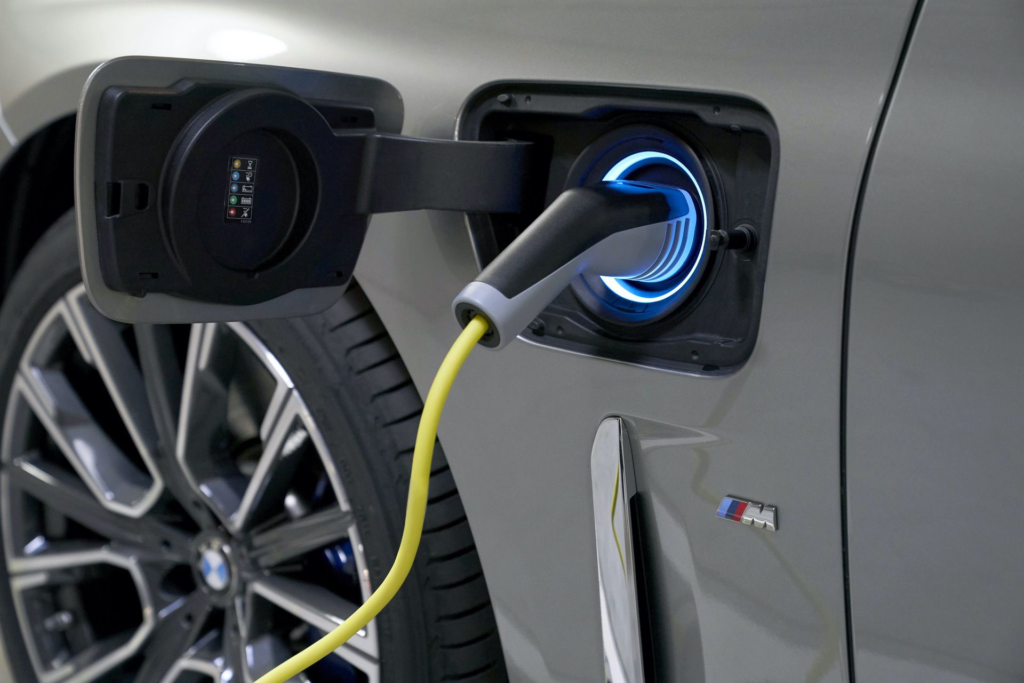
The system uses sensors and control algorithms to regulate cooling, heating, and humidity while also managing battery temperature for safe operation. Because everything is electronically controlled, software updates can significantly influence HVAC performance, making EV climate systems more complex and sensitive compared to conventional vehicles.
Owner Experiences With Rivian AC Issues
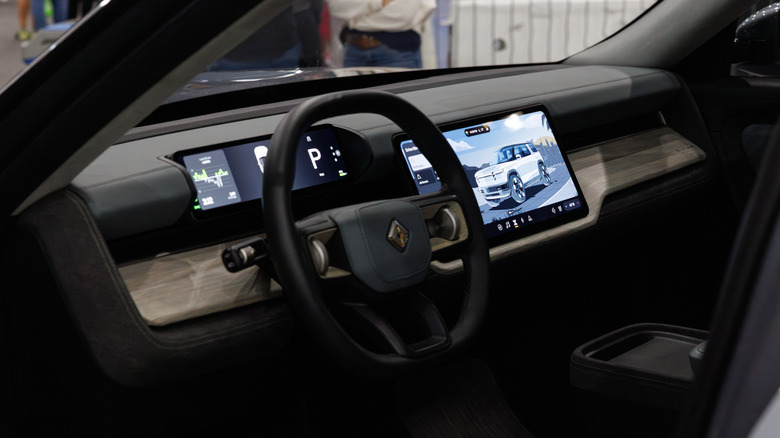
Many Rivian owners reported air conditioning problems after software updates, including weak cooling, delayed airflow, and warm air at startup. Some users noticed the issue mainly in hot and humid weather, while others experienced inconsistent temperature control during driving. In a few cases, the AC performance improved after restarting the vehicle or receiving a later software update. Overall, owner feedback shows that these issues vary by vehicle and are often linked to software changes rather than permanent hardware faults.
Climate and Weather Impact on Performance
- Hot and humid weather increases load on the HVAC system, making cooling slower or less efficient.
- Extreme temperatures can cause the system to prioritize battery cooling over cabin comfort.
- High humidity may reduce air conditioning effectiveness and delay dehumidification inside the cabin.
- Cold weather can also impact overall climate performance as the system shifts to heating mode and energy balance adjustments.
Temporary Fixes Shared by Rivian Owners
Vehicle Soft Reset
A soft reset can sometimes restore normal HVAC functionality after a software update.
Full Vehicle Reboot
Some drivers perform a complete system reboot to refresh vehicle software modules.
Using Mobile App Climate Control
Starting climate control remotely through the Rivian app may help initialize cooling earlier.
Lowering Cabin Temperature Settings
Reducing the target cabin temperature may encourage faster compressor activation.
Parking in Shade
Keeping the vehicle cooler before driving can reduce strain on the HVAC system.
Importance of HVAC Software Calibration
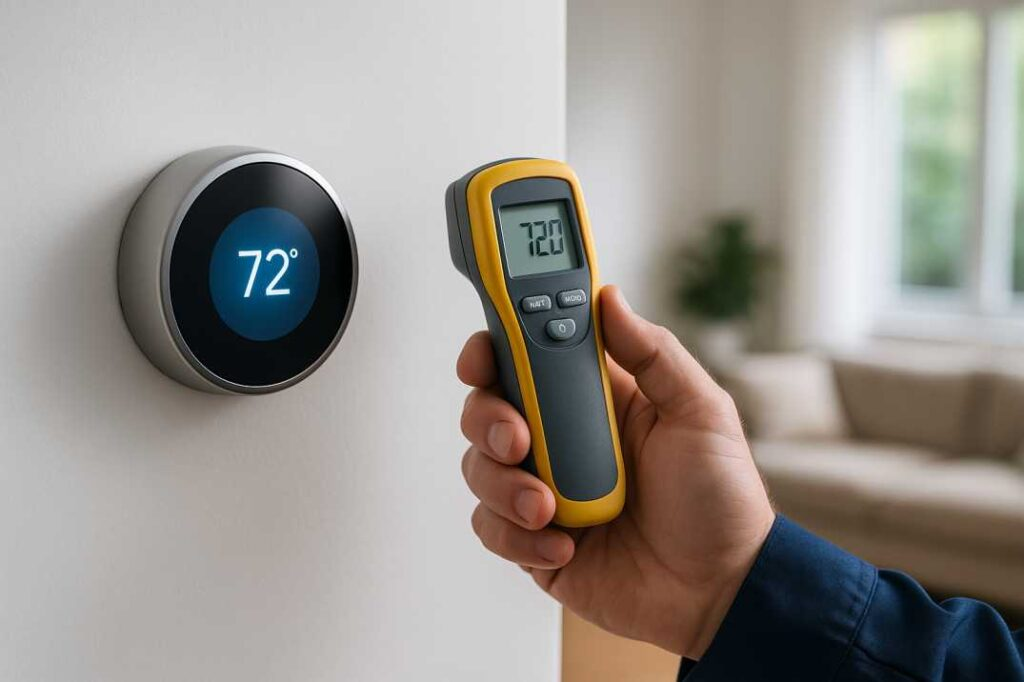
- HVAC software calibration ensures that temperature sensors, airflow controls, and compressor functions work accurately together for stable cabin comfort.
- Proper calibration helps maintain correct temperature readings and prevents uneven cooling or heating inside the vehicle.
- It improves system efficiency by optimizing how much energy is used for climate control, which is important for electric vehicle range.
- Calibration also reduces delays in air conditioning response by aligning software commands with real-time sensor data.
- In Rivian vehicles, correct HVAC calibration is especially important because the system is integrated with battery thermal management and overall vehicle performance.
Battery Thermal Management Connection
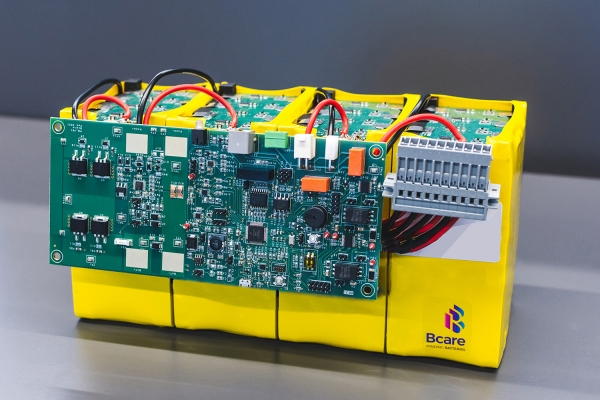
- In Rivian electric vehicles, the air conditioning system is closely linked with the battery thermal management system to maintain safe operating temperatures.
- When the battery heats up during driving or fast charging, the HVAC system may redirect cooling power to protect battery health instead of cabin comfort.
- This shared cooling system can sometimes reduce air conditioning performance temporarily, especially in extreme weather conditions or heavy usage.
- Software updates manage how cooling is distributed between the cabin and battery, so changes in code can directly affect AC behavior.
- This connection ensures battery safety and efficiency, but it can also cause noticeable variations in cabin cooling performance.
How Rivian Responds to Software Problems
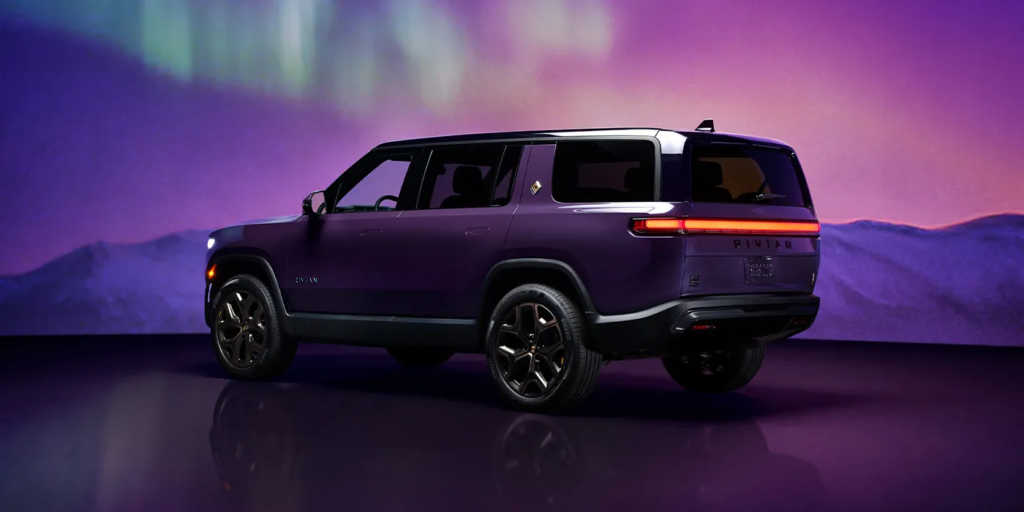
- Rivian continuously monitors vehicle data and owner feedback to identify software-related issues, including HVAC and air conditioning problems.
- When multiple users report similar issues, the company investigates the software behavior through engineering teams and diagnostics.
- Rivian often releases over-the-air (OTA) updates to fix bugs, improve system stability, and restore normal climate control performance.
- Customer support teams also guide owners with temporary troubleshooting steps like resets or system reboots until a permanent fix is available.
- In more complex cases, Rivian may collect detailed vehicle logs to analyze the issue and develop targeted software patches for future updates.
Signs the Problem Is Software-Related
- The air conditioning starts working normally before a software update but shows issues immediately after installation, suggesting a software trigger.
- Problems such as delayed cooling or weak airflow improve temporarily after a vehicle restart or system reboot.
- Multiple Rivian owners report similar HVAC issues at the same time, indicating a shared software-related cause rather than individual hardware failure.
- Climate control behavior changes inconsistently, such as automatic temperature shifts or fan speed variations without user input.
- No physical damage or refrigerant issues are found during inspection, yet performance issues still occur, pointing toward software calibration or update glitches.
When Hardware Problems May Exist
- If air conditioning issues continue even after multiple software updates and system resets, it may indicate a physical hardware fault.
- Low refrigerant levels or leaks can cause weak cooling performance regardless of software status.
- A faulty compressor may lead to no cooling, unusual noises, or complete HVAC failure.
- Damaged sensors can send incorrect temperature data, resulting in poor climate control behavior.
- Electrical or wiring issues within the HVAC system can also disrupt normal operation and require professional inspection or repair.
Troubleshooting Rivian Air Conditioning Issues
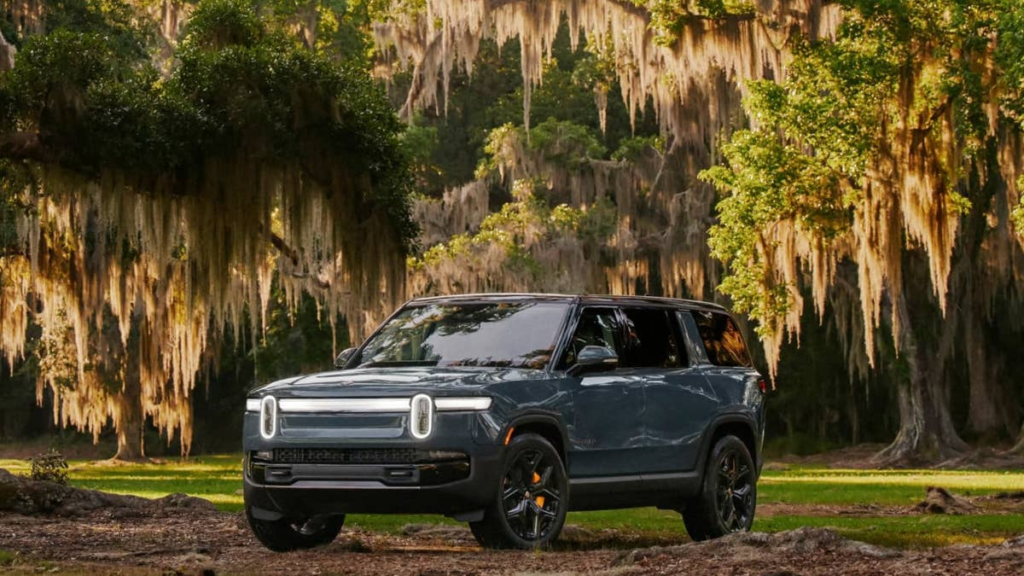
- Check for the latest software update, as Rivian often releases patches that fix HVAC and climate control bugs after user reports.
- Restart the infotainment system or perform a full vehicle reboot to clear temporary software glitches affecting the air conditioning system.
- Review climate settings such as eco mode, temperature limits, or energy-saving options that may reduce cooling performance.
- Use the Rivian mobile app to activate remote preconditioning, which can help stabilize cabin temperature before driving.
- If the issue continues, contact Rivian service support for diagnostics, as they can check logs and determine whether it is a software or hardware-related problem.
How OTA Updates Improve Vehicles
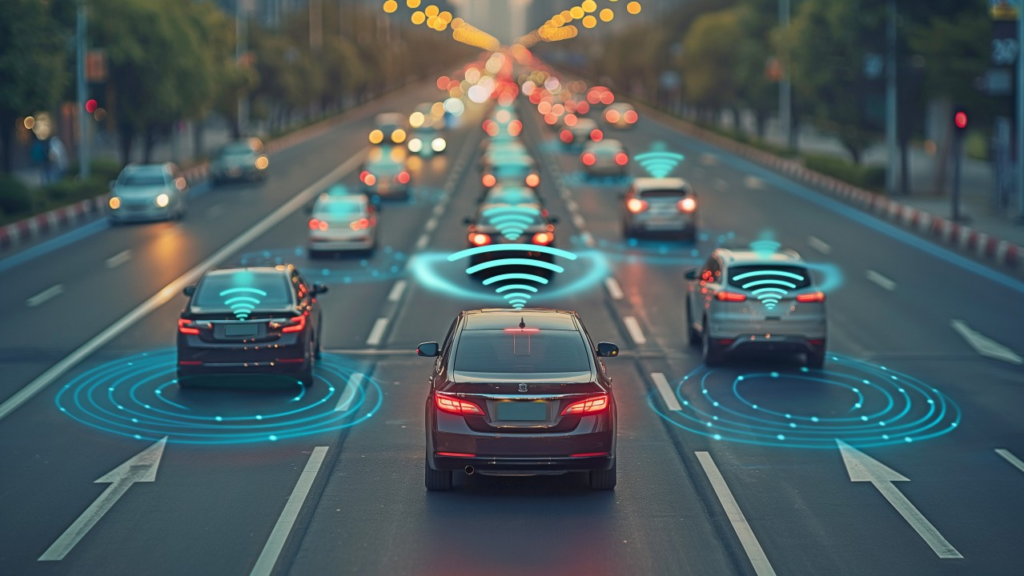
- Faster bug fixes and updates: OTA updates allow Rivian to quickly fix software issues like HVAC or air conditioning problems without visiting a service center.
- New features addition: Vehicles can receive new functions such as improved climate control, infotainment upgrades, and driving enhancements through updates.
- Better performance optimization: Updates improve battery usage, HVAC efficiency, and overall system performance for smoother driving experience.
- Improved reliability over time: Continuous updates help the vehicle become more stable, reducing software glitches and improving user experience.
Risks of Software-Controlled Vehicle Systems
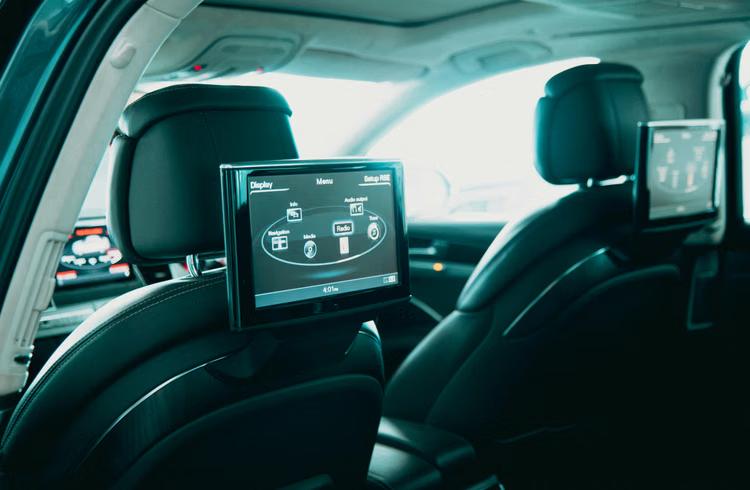
- Software glitches and bugs: Modern vehicles like Rivian rely heavily on software, so updates or coding errors can temporarily affect systems such as air conditioning, infotainment, or driving controls.
- Unexpected system behavior: A software change can sometimes cause features to behave differently than expected, such as delayed HVAC response or automatic setting changes.
- Dependency on updates: Vehicles depend on regular OTA updates, so if an update is delayed or faulty, it may impact performance or user experience.
- Complex troubleshooting: Since many systems are software-controlled, identifying whether a problem is hardware or software-related can be more difficult.
- Temporary performance issues: After updates, some features like climate control or battery management may show short-term instability before being fixed in later patches.
Benefits of Rivian’s Smart HVAC Technology
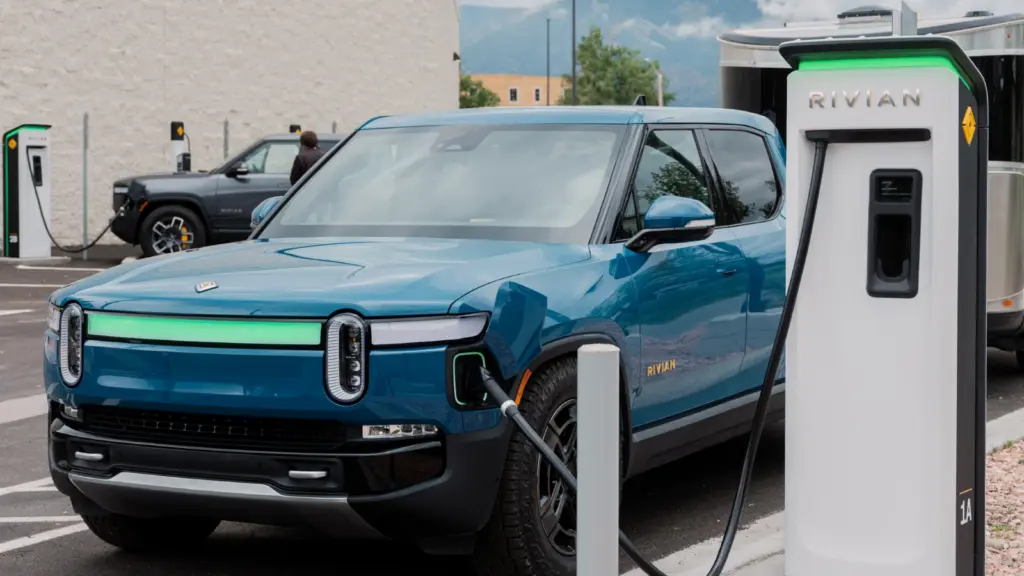
- Intelligent temperature control: Rivian’s smart HVAC system automatically adjusts cabin temperature based on weather, passenger comfort, and driving conditions for a smooth experience.
- Energy-efficient performance: The system optimizes power usage, helping reduce battery drain while still maintaining effective cooling and heating.
- Remote climate control: Owners can pre-condition the cabin using the mobile app, ensuring a comfortable temperature before entering the vehicle.
- Improved passenger comfort: Multi-zone climate control allows better airflow distribution, giving passengers more personalized comfort settings.
- Integrated battery protection: The HVAC system works with battery thermal management to maintain safe temperatures and improve overall vehicle efficiency.
Features of Rivian Climate Control Systems
- Intelligent temperature control automatically adjusts cabin climate based on weather and driving conditions.
- An energy-efficient system helps reduce battery consumption while maintaining effective cooling and heating.
- Remote climate control allows users to pre-condition the cabin before entering the vehicle.
- Multi-zone comfort provides personalized temperature settings for different passengers.
- Integrated battery thermal management improves safety and overall vehicle efficiency.
Challenges of Software-Based HVAC Systems
- Software-based HVAC systems depend heavily on complex coding, so even small bugs or glitches can affect air conditioning performance.
- Frequent software updates may sometimes cause temporary issues like delayed cooling or inconsistent airflow.
- System performance can vary based on environmental conditions, making it harder to maintain stable climate control in extreme weather.
- Diagnosing problems is more complex because issues may be caused by either software or hardware interactions.
- Continuous reliance on software updates means stability depends on ongoing manufacturer support and timely fixes.
Comparing Rivian With Other EV Manufacturers
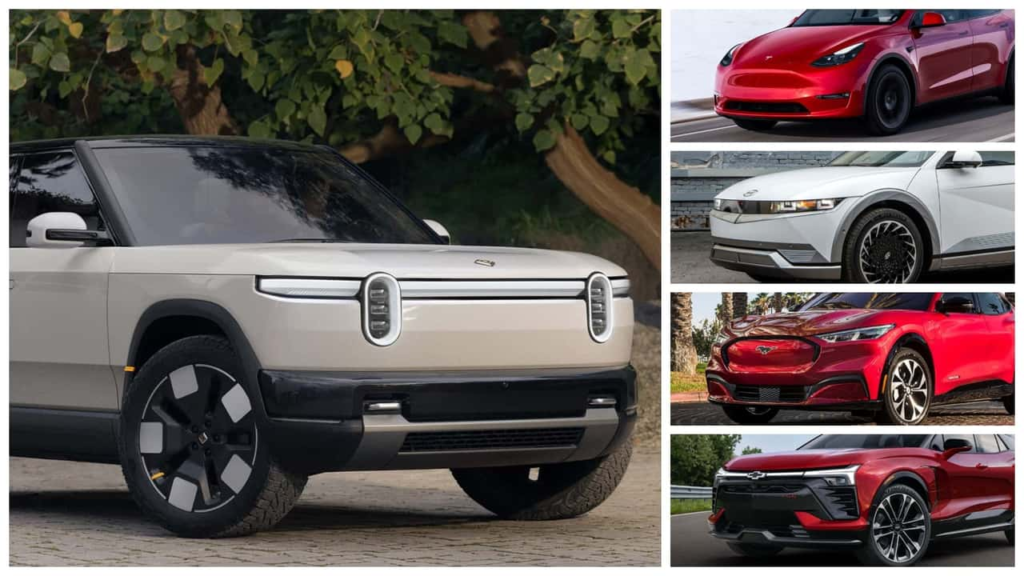
- Rivian focuses on off-road and adventure use, while other EVs focus more on city driving and efficiency.
- Rivian uses advanced software-based systems like Tesla, while some brands use simpler controls.
- OTA updates are common in Rivian and Tesla, but less frequent in many other EV makers.
- Rivian is more rugged in design, while others focus on luxury or affordability.
- Rivian HVAC is more software-dependent compared to traditional EV climate systems.
Best Practices for Rivian Owners
- Keep software updated for best performance.
- Use preconditioning before driving.
- Avoid heavy eco mode in extreme heat.
- Park in shade to reduce cabin heat.
- Report issues to Rivian support quickly.
Future of Rivian Climate Control Technology
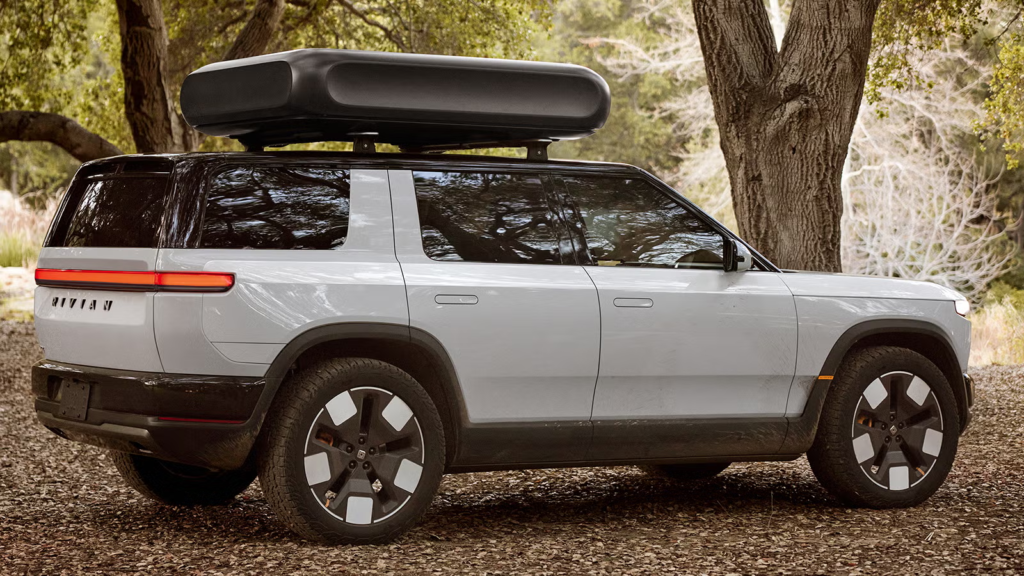
Rivian climate control technology is expected to become more advanced and efficient in the future through improved software updates and smarter thermal management systems. The company is likely to focus on faster cooling response, better humidity control, and more accurate temperature regulation for improved cabin comfort. Future updates may also enhance the balance between battery protection and cabin climate, making the HVAC system more stable in extreme weather conditions. Overall, Rivian is moving toward a more intelligent and energy-efficient climate control system that improves both performance and user experience over time.
FAQs
1. Why does my Rivian AC blow warm air after an update?
Some software updates may temporarily affect HVAC calibration, compressor timing, or thermal management settings, causing delayed cooling and inconsistent air conditioning performance.
2. Can a Rivian software update damage the air conditioning system?
Most software-related HVAC issues are temporary and usually do not cause permanent hardware damage. Later updates often fix climate control performance problems.
3. How can I reset Rivian climate control problems?
You can try restarting the infotainment system, performing a vehicle reboot, updating software, or using remote climate preconditioning through the Rivian mobile application.
4. Are Rivian HVAC issues common in hot weather?
Yes, some owners report more noticeable cooling delays and weak airflow in extremely hot or humid weather because the HVAC system works harder.
5. Will Rivian fix air conditioning software problems automatically?
Rivian frequently releases over-the-air updates that improve vehicle systems, including HVAC performance, thermal management, and climate control software stability.
Conclusion
Rivian software update air conditioning issues have become a noticeable concern among some R1T and R1S owners. Most problems involve delayed cooling, inconsistent airflow, weak air conditioning performance, and climate control irregularities after software installations. Because Rivian vehicles rely heavily on intelligent thermal management systems, software changes can directly impact HVAC behavior. Although temporary bugs may occur, Rivian continues improving its systems through over-the-air updates and ongoing software refinements.