Onboarding Software- Complete Guide for Businesses
Onboarding software is a powerful digital solution that helps businesses efficiently welcome and integrate new employees or customers. It replaces manual processes with automated workflows, structured training, and guided steps. Companies use onboarding tools to improve productivity, reduce errors, and create a positive first experience. Whether for HR teams or SaaS platforms, onboarding software ensures consistency, saves time, and builds strong long-term relationships from the very beginning.
- What is Onboarding Software?
- Key Features of Onboarding Software
- Benefits of Onboarding Software
- Types of Onboarding Software
- How Onboarding Software Works
- Importance of Onboarding Software in Modern Businesses
- Industries That Use Onboarding Software
- Best Practices for Using Onboarding Software
- Challenges of Onboarding Software
- Popular Onboarding Software Tools
- Workday
- Future of Onboarding Software
- FAQs
- 1-What is onboarding software used for?
- Conclusion
- Related Post
Onboarding software is a powerful digital solution that helps businesses efficiently welcome and integrate new employees or customers. It replaces manual processes with automated workflows, structured training, and guided steps. Companies use onboarding tools to improve productivity, reduce errors, and create a positive first experience. Whether for HR teams or SaaS platforms, onboarding software ensures consistency, saves time, and builds strong long-term relationships from the very beginning.
Future of onboarding software includes AI automation, personalized experiences, and virtual onboarding tools for faster, smarter business processes.
What is Onboarding Software?
Onboarding software is a digital solution designed to manage and automate the process of introducing new employees or customers to a company. It ensures that all required steps such as document submission, training, and orientation are completed efficiently.
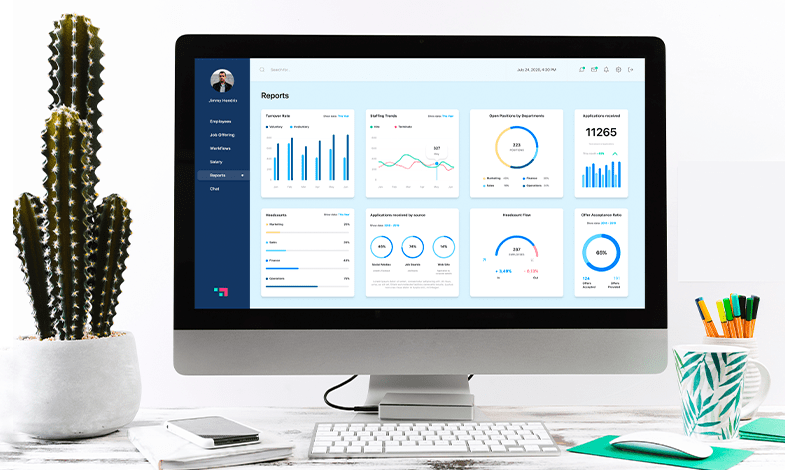
Instead of relying on emails, spreadsheets, or paperwork, businesses use onboarding software to create a seamless experience. It centralizes all tasks, tracks progress, and provides a clear roadmap for both the organization and the user.
Key Features of Onboarding Software
- Automated workflows for tasks and approvals
- Digital document management and e-signatures
- Interactive training and learning modules
- Progress tracking dashboards
- Integration with HR or CRM systems
- Custom onboarding templates
- Notifications and reminders
- Role-based access control
Benefits of Onboarding Software
- Saves time by automating repetitive tasks
- Reduces human errors in documentation
- Improves employee and customer experience
- Ensures consistent onboarding process
- Boosts productivity from day one
- Enhances engagement and retention
- Provides better compliance and record-keeping
Types of Onboarding Software

Employee Onboarding Software
Employee onboarding software is used by HR teams to manage new hires. It includes features like document submission, policy acknowledgment, and training schedules. This type of software helps employees understand their roles quickly and reduces administrative workload.
Customer Onboarding Software
Customer onboarding software is commonly used by SaaS and service-based companies. It guides new users through product setup, tutorials, and key features. This improves user satisfaction and reduces churn rates.
How Onboarding Software Works
Onboarding software works by creating a structured and automated process for new employees or customers. When a new user is added, the system assigns tasks, shares required documents, and guides them step-by-step through the onboarding journey. Everything is managed in one platform, which reduces confusion and saves time.
The software sends notifications and reminders to ensure tasks are completed on time. It also tracks progress in real time, allowing managers or teams to monitor completion status. For employees, it may include training modules and policy documents, while for customers, it often provides tutorials and product setup guidance.Overall, onboarding software simplifies the entire process by automating tasks, organizing information, and ensuring a smooth and consistent experience.
Importance of Onboarding Software in Modern Businesses

In today’s fast-paced digital environment, businesses need efficient systems to manage onboarding. Manual processes are slow, error-prone, and inconsistent. Onboarding software solves these challenges by providing a streamlined and scalable solution.
It plays a crucial role in improving employee productivity and customer satisfaction. A well-structured onboarding process can significantly impact retention rates, making onboarding software an essential tool for modern organizations.
Industries That Use Onboarding Software

- IT and Software Companies
- Human Resource Departments
- SaaS Businesses
- Healthcare Organizations
- Banking and Financial Services
- Retail and E-commerce
- Education and Training Institutes
Best Practices for Using Onboarding Software
- Customize onboarding workflows based on roles
- Keep the process simple and user-friendly
- Use interactive content for better engagement
- Monitor progress regularly
- Collect feedback to improve the process
- Integrate with existing business tools
- Ensure data security and compliance
Challenges of Onboarding Software
Onboarding software offers many advantages, but it also comes with some challenges that businesses need to manage carefully. One of the main issues is the initial setup, which can take time and resources. Employees may also need training to understand how to use the system effectively.

- Initial setup can be time-consuming
- Requires employee training and adaptation
- Integration issues with existing systems
- High cost for advanced solutions
- Technical problems or system errors
- Poorly designed workflows can reduce efficiency
Popular Onboarding Software Tools
Onboarding software tools are widely used by businesses to automate employee and customer onboarding processes. These platforms help manage documentation, training, and workflow automation in one place, making onboarding faster and more efficient.
BambooHR
BambooHR is HR and onboarding software for small to mid-sized businesses that simplifies employee management, document handling, and e-signatures.
Workday
Workday is an enterprise HR and onboarding platform used by large companies for advanced workforce management and analytics.
Zoho People
Zoho People is an affordable HR and onboarding tool that offers customizable workflows for growing businesses.
Rippling
Rippling is an all-in-one HR, IT, and payroll onboarding platform that automates employee setup and system access.
Gusto
Gusto is a simple onboarding and payroll tool for small businesses with an easy and user-friendly interface.
Deel
Deel is a global onboarding platform that manages remote hiring, contracts, and international compliance.
Enboarder
Enboarder is an onboarding tool focused on employee engagement through personalized and automated onboarding journeys.
Future of Onboarding Software
The future of onboarding software will be more automated, intelligent, and user-focused. Businesses will use AI-powered systems to create personalized onboarding experiences for employees and customers.

Remote onboarding will also grow, with tools offering virtual training, chatbots, and real-time support. Overall, onboarding software will become faster, smarter, and more interactive, reducing manual work and improving user experience.
FAQs
1-What is onboarding software used for?
Onboarding software is used to automate and manage the process of introducing new employees or customers, ensuring tasks, training, and documentation are completed efficiently.
2-How does onboarding software improve efficiency?
It automates repetitive tasks, reduces paperwork, tracks progress, and ensures all onboarding steps are completed on time without manual intervention.
3-Is onboarding software only for HR teams?
No, onboarding software is also used by customer success teams, SaaS companies, and service providers to onboard new clients and users effectively.
4-Can small businesses use onboarding software?
Yes, small businesses can use onboarding software to streamline processes, save time, and improve the experience for both employees and customers.
5-Why is onboarding important for employee retention?
A structured onboarding process helps employees understand their roles, feel welcomed, and become productive quickly, which increases job satisfaction and long-term retention rates.
Conclusion
Onboarding software is a powerful tool that simplifies the process of integrating new employees and customers. By automating tasks, improving efficiency, and enhancing user experience, it helps businesses grow and stay competitive. With the rise of digital transformation, investing in onboarding software is no longer optional but essential for long-term success and operational excellence.