What Software Do Most Interior Designers Use KDAdesignology
Interior designers use a variety of specialized software to create, visualize, and present interior spaces in a professional and accurate way. These tools help in drafting floor plans, building 3D models, and producing realistic renderings for client presentations. Popular software like AutoCAD, SketchUp, Revit, 3ds Max, and Photoshop are commonly used in the industry
- Overview of Interior Design Software
- Types of Software Used by Interior Designers
- Most Popular Software Used by Interior Designers
- How Interior Designers Use Multiple Software
- Features of Interior Design Software
- Benefits of Interior Design Software
- Why Interior Designers Depend on Software
- Challenges in Using Interior Design Software
- Future of Interior Design Software
- Best Practices for Interior Designers
- FAQs
- Conclusion
- Related Post
Each tool serves a specific purpose, from technical drawings to high-quality visualization. Together, they make the design process faster, more precise, and more efficient in modern interior design workflows under KDAdesignology.
Best practices for interior designers include using multiple tools, updating software, improving workflow, and ensuring better client communication.
Overview of Interior Design Software
Interior design software is essential for turning creative ideas into structured visual plans. It allows designers to create floor layouts, 3D models, lighting effects, and realistic interiors before actual construction begins. These tools help reduce errors, save time, and improve client satisfaction.
Most designers use multiple software programs together depending on project requirements. Some tools focus on technical drawings, while others specialize in visualization and presentation.Interior design software is now a core part of modern architecture and design industries, making workflows faster and more professional.
Types of Software Used by Interior Designers
Interior designers use different types of software depending on the stage of the project, technical requirements, and client needs. Each category serves a specific purpose in creating accurate, functional, and visually appealing interior designs.
CAD Software
CAD (Computer-Aided Design) software is mainly used for creating precise 2D floor plans and technical drawings. It helps designers develop accurate measurements, layouts, and construction details, ensuring that every design element is properly planned before execution.
BIM Software
BIM (Building Information Modeling) software is used for managing complete building and interior design data in a coordinated system. It allows designers, architects, and engineers to work together efficiently while maintaining consistency in design and structure.
3D Modeling Software
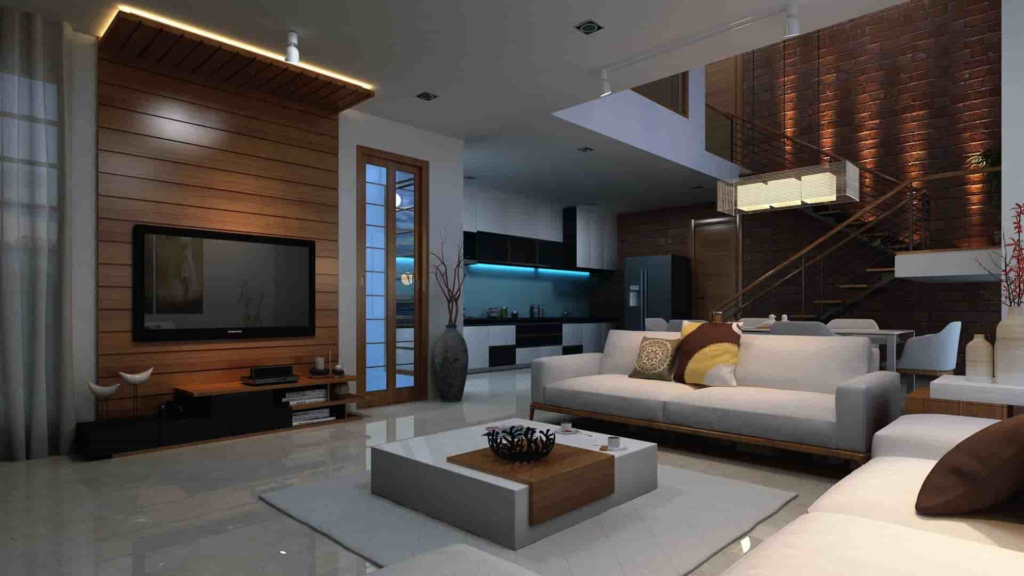
3D modeling software is used to create realistic representations of interior spaces. It helps designers visualize layouts, furniture placement, and spatial arrangements in a three-dimensional format, making designs easier to understand for clients.
Rendering Software
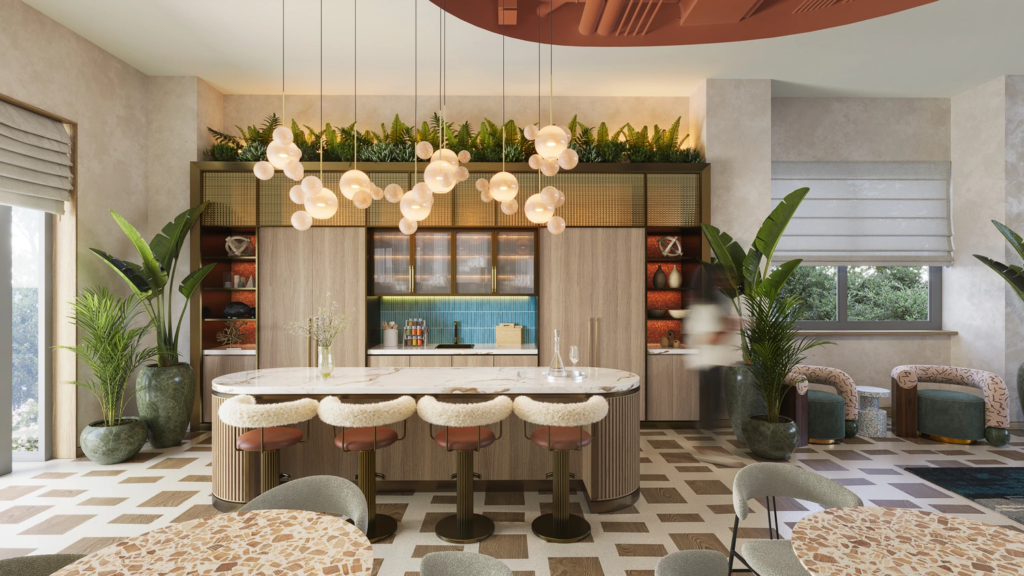
Rendering software is used to produce high-quality, photorealistic images of interior designs. It enhances lighting, textures, and materials to show how a space will look after completion, improving client presentations and decision-making.
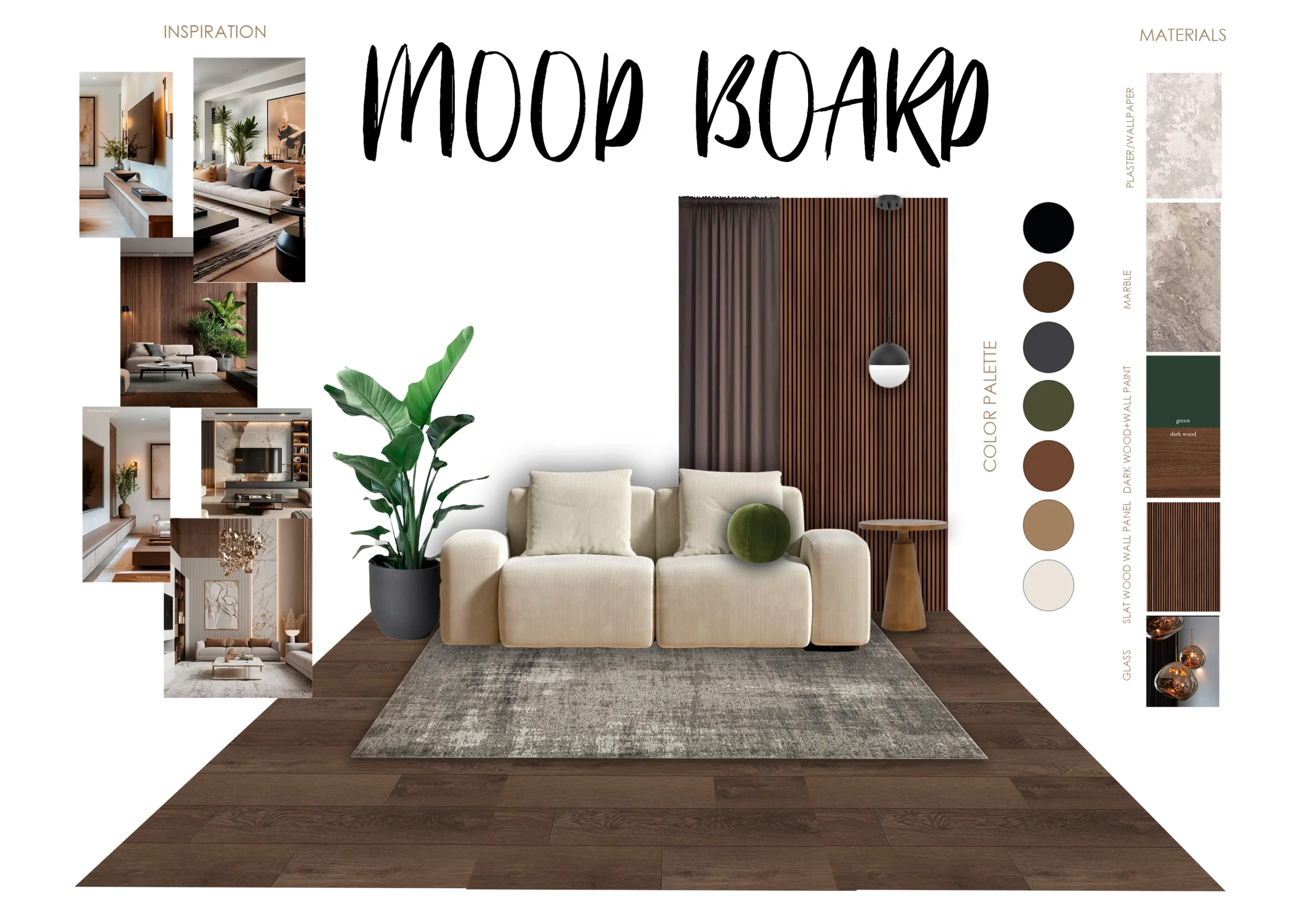
Presentation Tools
Presentation tools are used to create professional design boards, mood boards, and client presentations. They help designers showcase ideas clearly and communicate concepts in a visually appealing and organized manner.
Most Popular Software Used by Interior Designers
Interior designers rely on a combination of powerful tools to complete their work efficiently.
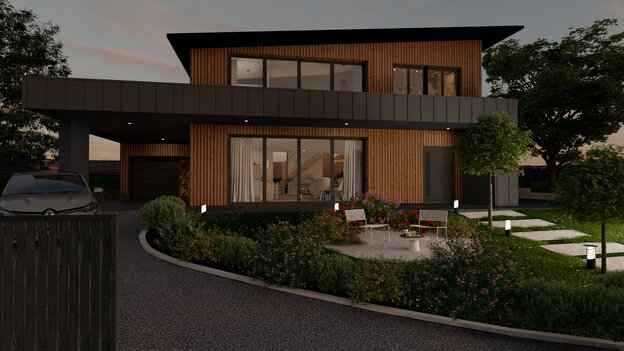
AutoCAD
AutoCAD is widely used for precise 2D floor plans and technical drawings. It helps designers create accurate layouts and construction-ready designs.
SketchUp
SketchUp is popular for easy 3D modeling. It allows designers to quickly build and visualize interior spaces.
3ds Max
3ds Max is used for advanced rendering and realistic interior visuals with lighting and textures.
Revit
Revit is a BIM software used for integrated architectural and interior design projects.
Adobe Photoshop
Photoshop helps enhance renderings and create professional mood boards for clients.
Chief Architect
Chief Architect is used for residential design with built-in 3D visualization tools.
How Interior Designers Use Multiple Software
Interior designers rarely depend on a single tool. Instead, they combine multiple software programs for different stages of a project. For example, AutoCAD may be used for drafting, SketchUp for modeling, and 3ds Max for rendering.
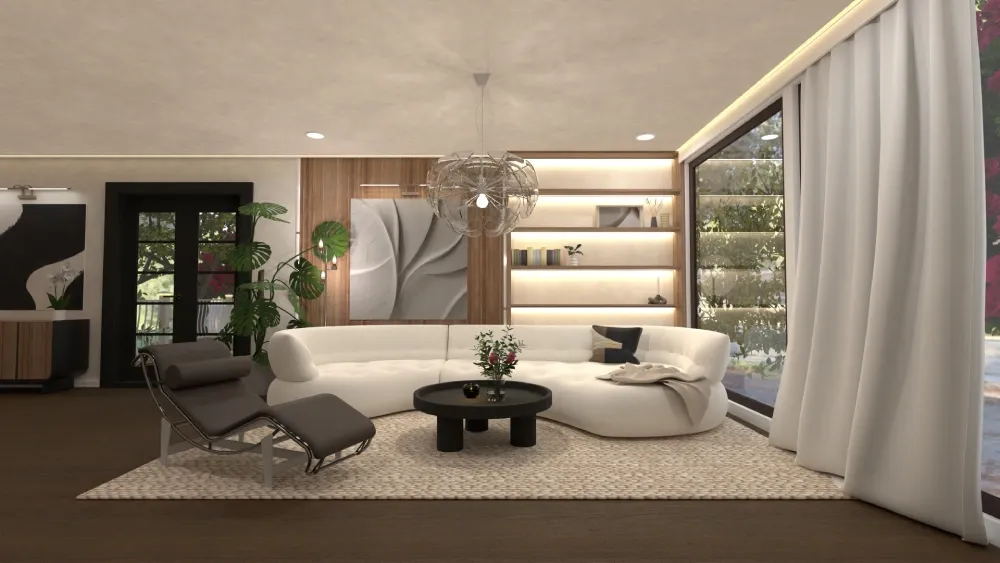
This combination helps improve accuracy and presentation quality.Using multiple tools allows designers to handle complex projects more efficiently and meet client expectations with better visual clarity.
Features of Interior Design Software
- 2D and 3D modeling support
- Real-time visualization
- High-quality rendering options
- Easy drag-and-drop tools
- Material and texture libraries
- Cloud collaboration features
- Accurate measurement tools
Benefits of Interior Design Software
- Improves design accuracy
- Saves time in project development
- Enhances client communication
- Provides realistic visual previews
- Reduces design errors
- Supports creative flexibility
- Increases productivity
Why Interior Designers Depend on Software
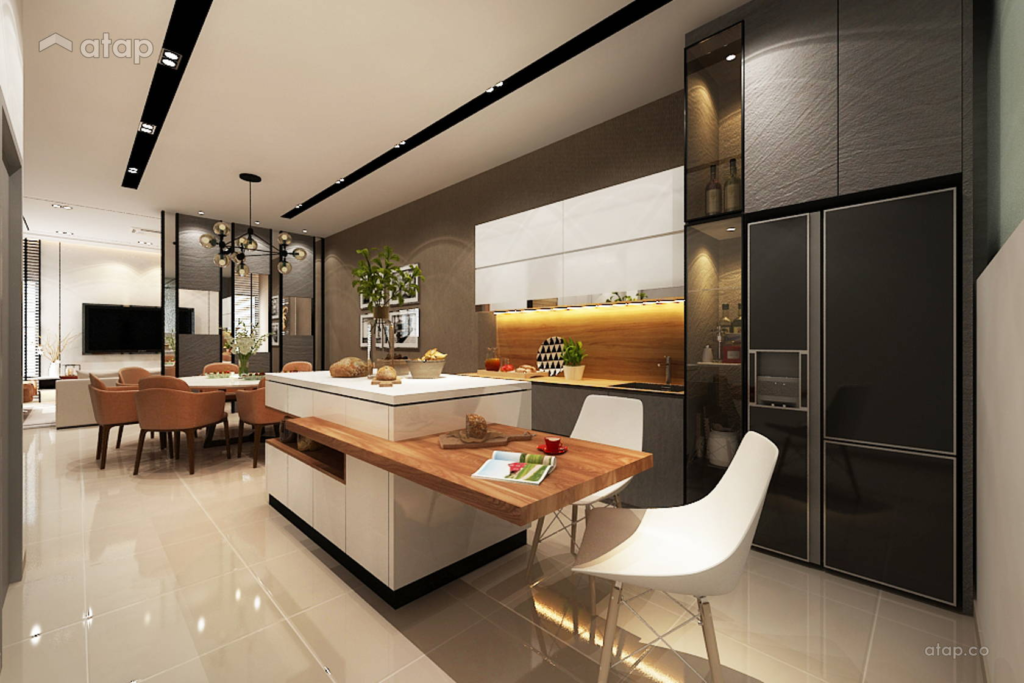
Modern interior design is highly competitive, and software plays a key role in success. It allows designers to present ideas clearly and make changes quickly without rebuilding entire plans. Software also improves collaboration between architects, engineers, and clients. With digital tools, designers can explore more creative possibilities and deliver better results in less time.
Challenges in Using Interior Design Software
Despite its benefits, interior design software also comes with challenges.
- High learning curve for beginners
- Expensive premium tools
- System performance requirements
- Compatibility issues between software
- Need for regular updates and training
Future of Interior Design Software
The future of interior design software is becoming more advanced, smart, and user-friendly. New technologies like artificial intelligence, virtual reality, and cloud computing are changing how designers plan and present their work. AI will help generate design ideas automatically and improve accuracy in space planning. Virtual reality will allow clients to experience interiors in a 3D environment before construction begins.
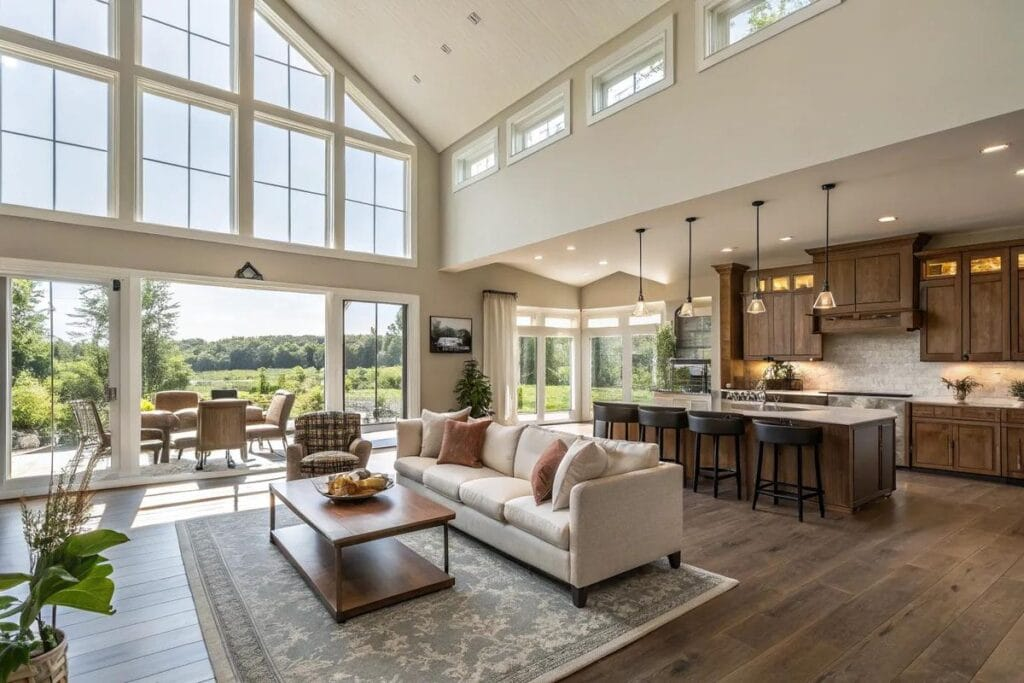
Cloud-based platforms will make collaboration easier by allowing designers, architects, and clients to work together in real time from different locations. Additionally, automation tools will reduce manual work and speed up the design process. Overall, interior design software will become more interactive, efficient, and highly realistic in the coming years.
Best Practices for Interior Designers
- Learn and master multiple design software tools
- Keep software and plugins regularly updated
- Use templates to speed up workflow
- Combine CAD, BIM, and 3D tools effectively
- Focus on clear client communication
- Use cloud storage for project safety and access
- Maintain organized project files and assets
FAQs
1. What software do most interior designers use?
Most interior designers use AutoCAD, SketchUp, Revit, 3ds Max, and Photoshop for drafting, modeling, rendering, and presentation purposes in professional projects.
2. Is SketchUp good for beginners in interior design?
Yes, SketchUp is very beginner-friendly and allows users to quickly create 3D models and visualize interior spaces without complex technical knowledge.
3. Why do designers use multiple software tools?
Designers use multiple tools because each software serves a different purpose like drafting, modeling, rendering, and presentation, improving overall efficiency and quality.
4. What is the most powerful interior design software?
Revit and 3ds Max are considered powerful tools because they offer advanced BIM capabilities and high-quality realistic rendering for professional projects.
5. How important is software in interior design?
Software is extremely important in interior design as it improves accuracy, saves time, enhances visualization, and helps communicate ideas clearly to clients and teams effectively.
Conclusion
Interior designers depend on advanced software like AutoCAD, SketchUp, Revit, and 3ds Max to create accurate and realistic designs. These tools improve workflow, creativity, and client communication. By using multiple applications, designers can achieve better results and efficiency. Modern interior design software has become essential for delivering high-quality, professional, and visually appealing interior projects in today’s competitive industry.