Caterpillar Diagnostic Software – Complete Guide (2026 Edition)
Caterpillar Diagnostic Software is an advanced digital solution designed to help technicians, engineers, and equipment operators monitor, analyze, and troubleshoot Caterpillar heavy machinery. In industries such as construction, mining, agriculture, and transportation, Caterpillar machines are widely used for heavy duty tasks. Because these machines are complex and expensive, maintaining their performance is extremely important. This is where diagnostic software plays a crucial role.
- What is Caterpillar Diagnostic Software?
- Importance of Caterpillar Diagnostic Software
- How Caterpillar Diagnostic Software Works
- Key Features of Caterpillar Diagnostic Software
- Benefits of Using Caterpillar Diagnostic Software
- Industries Using Caterpillar Diagnostic Software
- Machines Supported by Diagnostic Software
- Challenges of Caterpillar Diagnostic Software
- Future of Caterpillar Diagnostic Software
- Why Businesses Should Use Diagnostic Software
- Best Practices for Using Caterpillar Diagnostic Software
- FAQ1: What is Caterpillar Diagnostic Software?
- Conclusion
- Related Post
Instead of relying on manual inspection, Caterpillar Diagnostic Software provides real-time data, error detection, and system analysis, making maintenance faster, more accurate, and cost-effective. It acts like a digital doctor for heavy machines, helping identify issues before they turn into major breakdowns.
Caterpillar Diagnostic Software helps detect faults, monitor machine performance, reduce downtime, and improve efficiency in heavy equipment.
What is Caterpillar Diagnostic Software?
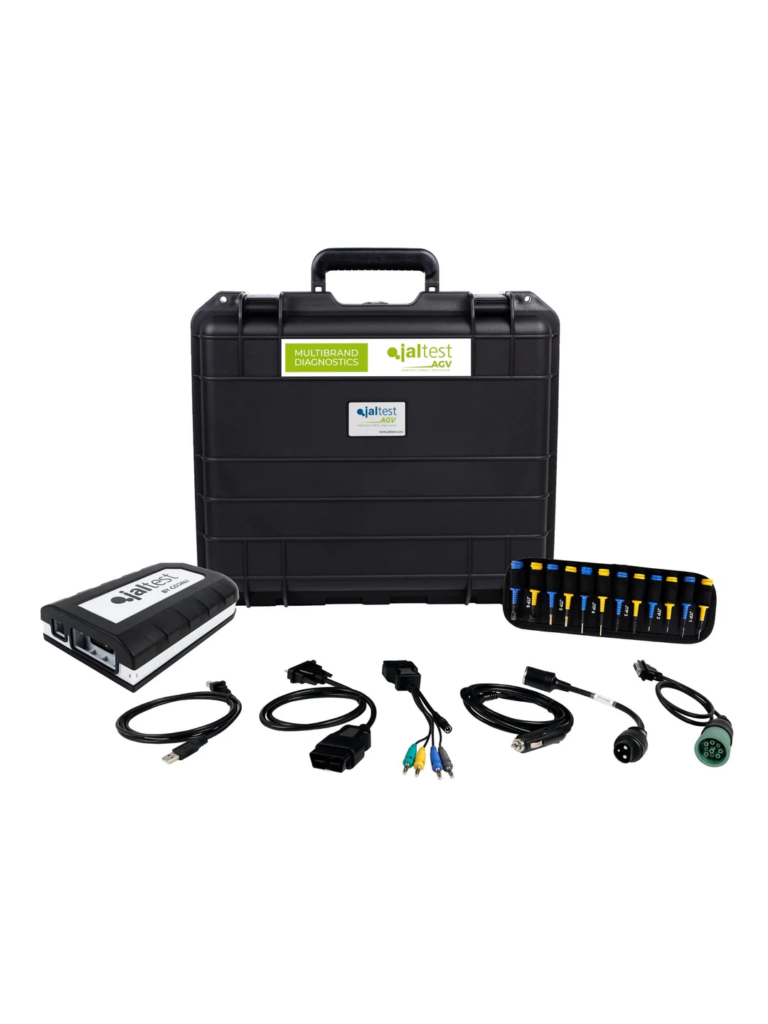
Caterpillar Diagnostic Software is a specialized tool used to monitor, diagnose, and troubleshoot Caterpillar heavy machinery. It connects with the machine’s electronic control module (ECM) and reads real-time data and fault codes to identify issues quickly. This software helps technicians understand engine performance, detect problems early, and improve overall machine efficiency. It is widely used in construction, mining, agriculture, and industrial sectors to reduce downtime, lower repair costs, and keep machines running smoothly.
Importance of Caterpillar Diagnostic Software
Heavy machinery downtime can cause significant financial losses. A single hour of downtime in mining or construction can cost thousands of dollars. Caterpillar Diagnostic Software helps reduce this risk by identifying problems early.
Key importance includes:
- Preventing unexpected breakdowns
- Improving machine efficiency
- Reducing repair costs
- Increasing equipment lifespan
- Enhancing safety standards
By providing early warnings and precise diagnostics, the software ensures smooth operations in demanding environments.
How Caterpillar Diagnostic Software Works
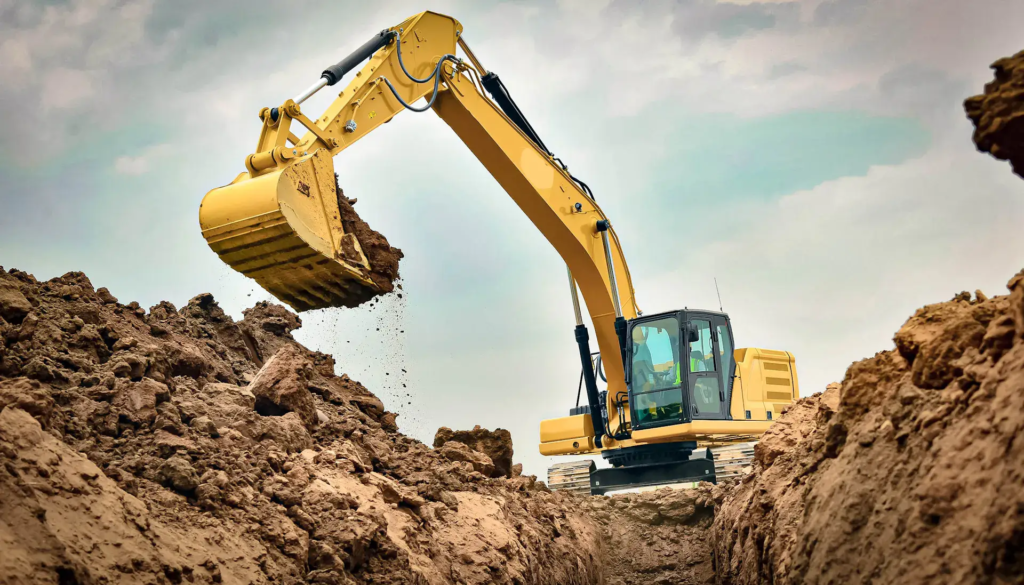
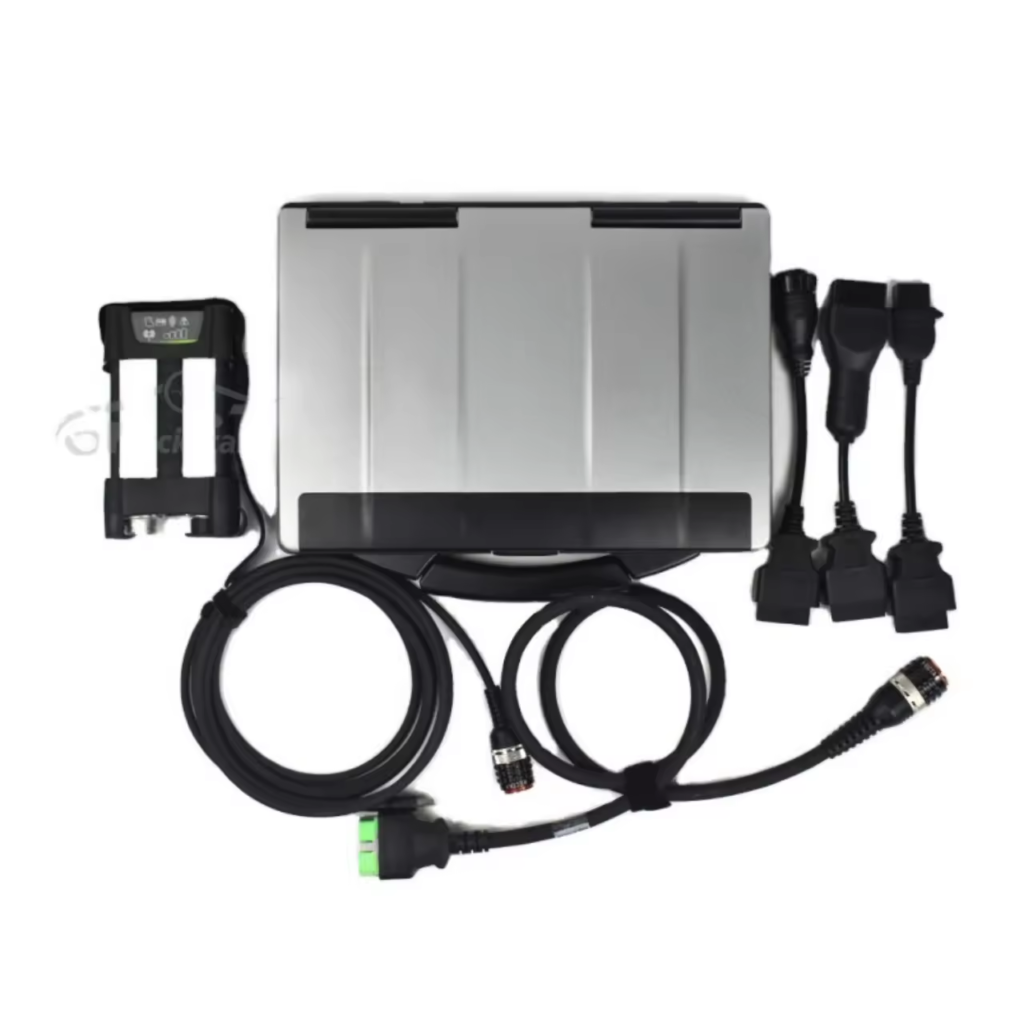
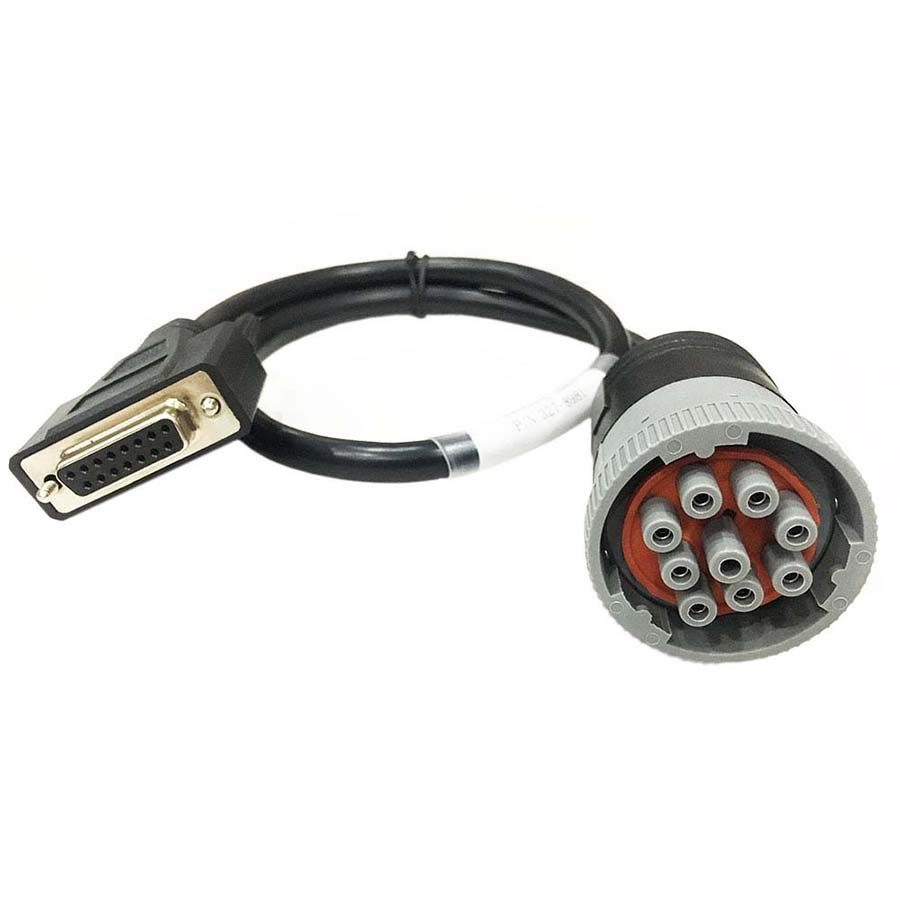
- It connects to the machine’s ECM (Electronic Control Module) using a diagnostic tool or cable.
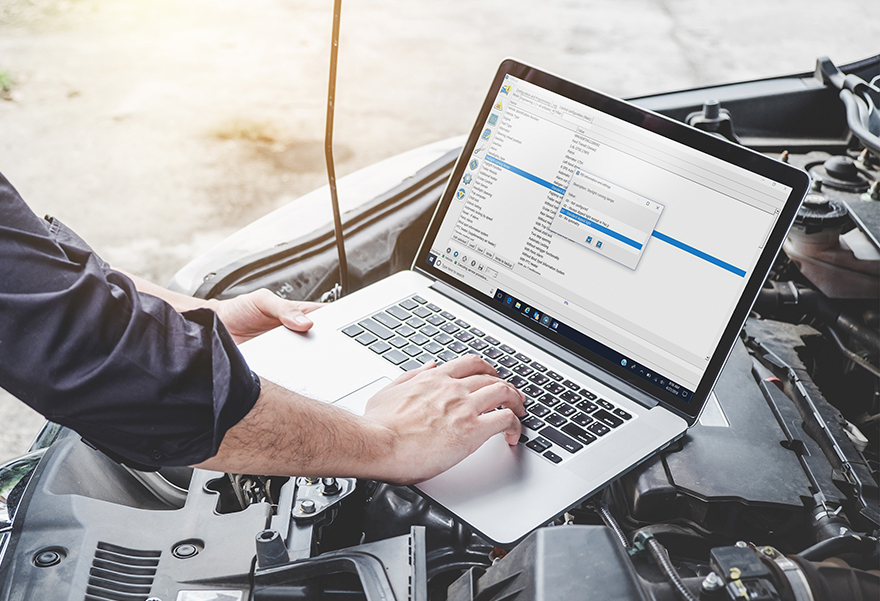
- The software reads real-time data from sensors and machine systems.
- It detects fault codes and identifies technical problems automatically.
- It analyzes engine performance and system health in detail.
- The software generates diagnostic reports for technicians.
- It provides repair guidance to fix issues quickly and accurately.
Key Features of Caterpillar Diagnostic Software
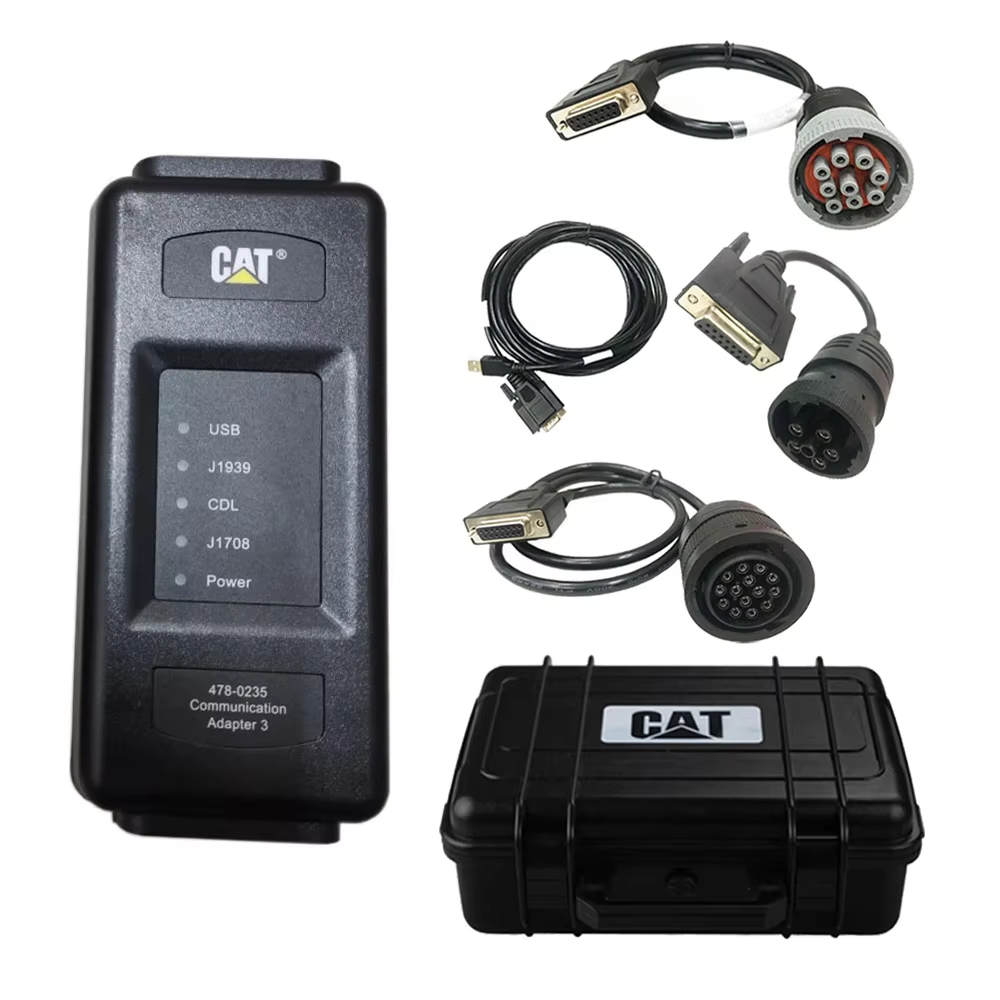
Fault Code Analysis
The software reads diagnostic trouble codes (DTCs) and explains their meaning. This helps technicians quickly understand what is wrong with the machine.
Live Data Monitoring
Live Data Monitoring is a feature that shows real-time information from Caterpillar machines, such as engine temperature, fuel pressure, and RPM, to track performance and detect issues instantly.
Component Testing
Users can test individual components like injectors, sensors, pumps, and valves to ensure they are working properly.
ECM Programming
The software allows updates and configuration changes in the electronic control module, ensuring machines stay up-to-date.
Maintenance Scheduling
It helps plan preventive maintenance based on machine usage and condition.
System Calibration
Calibration ensures all machine components work in sync for maximum efficiency.
Benefits of Using Caterpillar Diagnostic Software
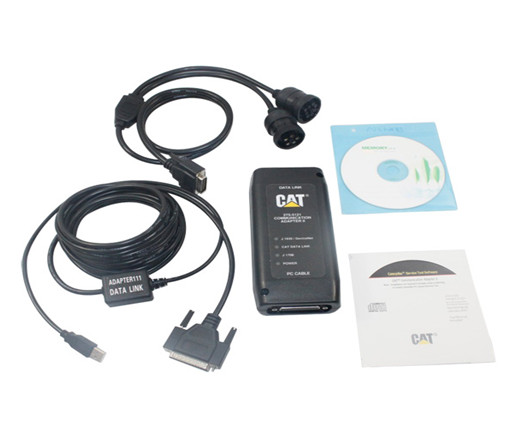
Faster Troubleshooting
Instead of manually inspecting every part, technicians can directly identify issues using the software.
Reduced Downtime
Quick fault detection ensures machines are repaired faster, reducing operational delays.
Cost Efficiency
Preventing major breakdowns saves repair costs and reduces replacement expenses.
Improved Safety
Faulty machines can be dangerous. Early detection ensures safe operations.
Extended Machine Life
Regular monitoring improves the overall lifespan of equipment.
Better Productivity
Machines operate more efficiently, increasing productivity in industrial projects.
Industries Using Caterpillar Diagnostic Software
This software is widely used in multiple industries where heavy machinery is essential.
Construction Industry
Used for excavators, bulldozers, and loaders to ensure smooth construction operations.
Mining Industry
Helps monitor mining trucks and drilling machines operating in harsh environments.
Agriculture Sector
Used in tractors and harvesters for efficient farming operations.
Transportation & Logistics
Used for heavy-duty trucks and fleet maintenance.
Industrial Manufacturing
Supports generators and industrial engines.
Machines Supported by Diagnostic Software
Caterpillar Diagnostic Software is compatible with many machines, including:
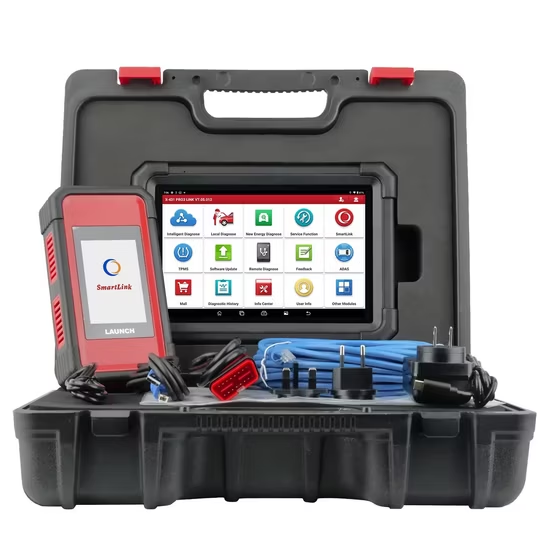
- Excavators
- Bulldozers
- Wheel Loaders
- Motor Graders
- Mining Trucks
- Diesel Engines
- Generators
- Backhoe Loaders
Each machine type has unique data points that the software can analyze.
Challenges of Caterpillar Diagnostic Software
Despite its benefits, there are some limitations.
Technical Knowledge Required
Users must have proper training to operate the software effectively.
High Initial Cost
Diagnostic tools and adapters can be expensive.
Regular Updates Needed
Software must be updated frequently to support new machines.
Compatibility Issues
Older machines may not fully support advanced features.
Future of Caterpillar Diagnostic Software

The future of Caterpillar Diagnostic Software is becoming more advanced with the integration of artificial intelligence and smart technologies. In the coming years, this software will focus on predictive maintenance, allowing users to detect problems before they occur. Cloud-based systems will enable remote monitoring of machines from anywhere, improving efficiency and control. Mobile integration will also make diagnostics easier and faster for technicians in the field. Overall, the future of this software will be smarter, faster, and more automated, helping industries reduce downtime and increase productivity significantly.
Why Businesses Should Use Diagnostic Software
- Improves machine efficiency and performance
- Reduces unexpected breakdowns and downtime
- Lowers maintenance and repair costs
- Enhances safety in industrial operations
- Provides accurate and real-time machine data
- Helps in better decision-making and planning
- Increases overall productivity and ROI
Best Practices for Using Caterpillar Diagnostic Software
- Always keep the software updated to the latest version
- Use genuine diagnostic tools and cables
- Train technicians before using advanced features
- Perform regular machine diagnostics and checks
- Back up important machine and ECM data
- Follow manufacturer guidelines for accurate results
- Avoid improper or unauthorized system changes
FAQ
1: What is Caterpillar Diagnostic Software?
Caterpillar Diagnostic Software is a tool used to monitor, diagnose, and troubleshoot Caterpillar machinery using real-time data and fault codes efficiently in machines.
2: How does Caterpillar Diagnostic Software help technicians?
It connects to ECM systems and reads fault codes, helping technicians identify issues, improve performance, and reduce machine downtime effectively with accuracy ensured.
3: How does Caterpillar Diagnostic Software work?
It works by connecting to a machine’s ECM, collecting data, detecting faults, and providing diagnostic reports for technicians to repair issues quickly and accurately.
4: What are the benefits of Caterpillar Diagnostic Software?
It reduces downtime, improves machine performance, lowers maintenance costs, increases safety, and extends the lifespan of heavy equipment significantly in industrial operations overall.
5: What industries use Caterpillar Diagnostic Software?
It is widely used in construction, mining, agriculture, transportation, and industrial sectors for efficient heavy machinery monitoring and maintenance everywhere globally today.
Conclusion
Caterpillar Diagnostic Software is an essential tool for modern industries using heavy machinery. It helps in accurate fault detection, reduces downtime, and improves machine performance. By using real-time data and advanced diagnostics, businesses can save costs and increase productivity. Overall, it ensures safer operations, better maintenance, and longer equipment life in demanding environments.