Best Accounting Software for Government Contractors
Government contracting is a highly regulated industry where financial accuracy, compliance, and transparency are critical. Unlike standard businesses, government contractors must follow strict guidelines such as DCAA (Defense Contract Audit Agency) requirements, FAR (Federal Acquisition Regulation), and detailed cost accounting standards. Because of these complexities, using the right accounting software is not just helpful, it is essential.
- Why Government Contractors Need Specialized Accounting Software
- Key Features to Look For
- Top Accounting Software for Government Contractors
- Benefits of Using Accounting Software for Government Contractors
- How to Choose the Right Software
- Common Challenges and Solutions
- Future Trends in Government Contractor Accounting
- FAQS1. What is DCAA compliance in accounting software?
- Conclusion
- Related Post
In this article, we will explore the best accounting software for government contractors, their features, benefits, and how to choose the right one for your business.
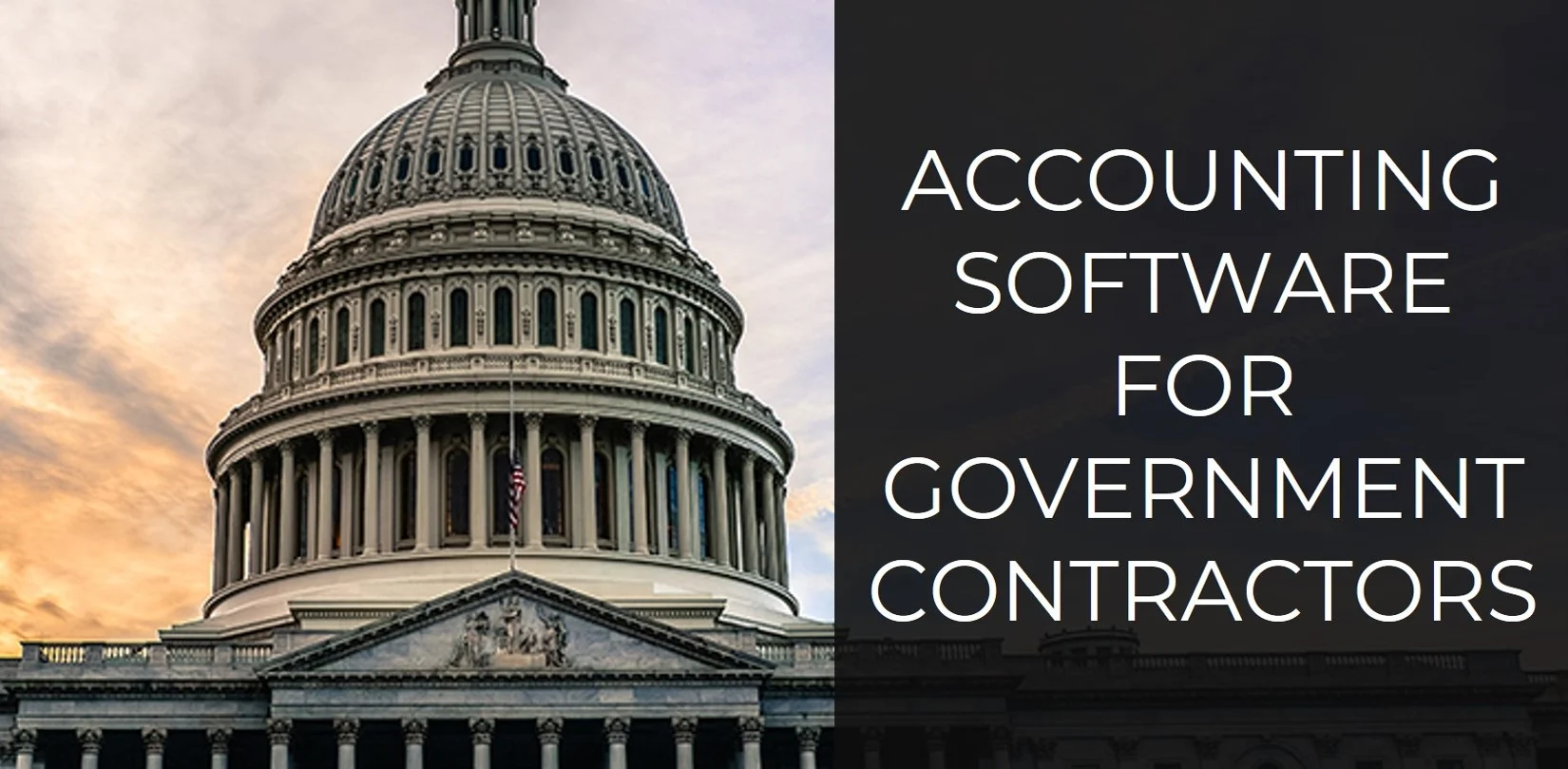
Best Accounting Software for Government Contractors helps manage costs, billing, payroll, and compliance with accuracy and efficiency.
Why Government Contractors Need Specialized Accounting Software
Government contractors face unique challenges that traditional accounting tools cannot handle efficiently. These include managing multiple contracts, tracking indirect and direct costs, ensuring compliance, and preparing for audits.

Specialized accounting software helps by automating these processes and reducing human error. It ensures that your financial data is accurate, organized, and ready for inspection at any time.Another key benefit is real-time financial visibility. Contractors can monitor project costs, profitability, and performance without waiting for manual reports. This leads to better decision-making and improved operational efficiency.
Key Features to Look For
When choosing accounting software for government contracting, it is important to focus on features that support compliance and project-based accounting.
DCAA Compliance
The software must meet DCAA requirements, including time tracking, cost allocation, and audit trails. This ensures your business is always ready for government audits.
Project-Based Accounting
Government contracts are project-driven, so the software should allow tracking of costs, revenue, and budgets per project.
Cost Allocation
Indirect and direct costs must be properly allocated. Advanced software automates this process, reducing manual errors.
Time Tracking
Employee time tracking is essential for billing and compliance. The system should record labor hours accurately.
Audit-Ready Reporting
The software should generate detailed reports that are easy to present during audits.
Integration Capabilities
Integration with payroll, CRM, and project management tools improves workflow efficiency.
Top Accounting Software for Government Contractors

Deltek Costpoint
Deltek Costpoint is widely considered one of the best solutions for government contractors. It is designed specifically for project-based businesses that require strict compliance and detailed financial tracking.
It offers a complete ERP system that manages accounting, contracts, and workforce operations in one place. The platform provides real-time insights into project performance and financial health.
Key Benefits:
- Built specifically for government contractors
- Strong compliance features
- Advanced reporting and analytics
This software is ideal for medium to large organizations handling complex government contracts.
Unanet ERP
Unanet ERP is another powerful tool built for government contractors and project-driven businesses. It focuses on simplifying compliance and improving project visibility.
The platform includes time tracking, expense management, and financial reporting tools that ensure accuracy and transparency.
Key Benefits:
- Excellent cost tracking
- Automated indirect cost allocation
- User-friendly interface
Unanet is perfect for growing contractors who need scalable and reliable accounting solutions.
Sage Intacct
Sage Intacct is a cloud-based financial management solution known for its flexibility and scalability. While not built exclusively for government contractors, it offers powerful features that can be customized for compliance.
It provides real-time dashboards and multi-entity management, making it suitable for companies managing multiple contracts.
Key Benefits:
- Advanced financial reporting
- Cloud-based accessibility
- Strong integration capabilities
It is best suited for mid-sized contractors looking for a flexible accounting solution.
QuickBooks Enterprise
QuickBooks Enterprise is a popular choice for small to medium-sized businesses, including government contractors. While it may not offer full DCAA compliance out of the box, it can be customized with add-ons.
The software is easy to use and provides essential accounting features such as invoicing, payroll, and expense tracking.
Key Benefits:
- Affordable and easy to use
- Wide range of integrations
- Strong community support
It is ideal for smaller contractors or startups entering the government contracting space.
Xero
Xero is another cloud-based accounting tool known for its simplicity and user-friendly design. It offers basic accounting features suitable for small contractors.
Although it lacks advanced compliance features, it can be integrated with third-party tools to meet specific requirements.
Key Benefits:
- Easy to use
- Real-time financial data
- Affordable pricing
Xero is best for small businesses with simple accounting needs.
Deltek Ajera
Deltek Ajera is designed for project-based businesses, especially in engineering and consulting. It provides strong project tracking and financial management features.
While it may not be as comprehensive as Costpoint, it still offers useful tools for managing contracts and budgets.
Key Benefits:
- Project-focused accounting
- Budget and cost tracking
- Real-time insights
It is suitable for contractors managing smaller or less complex projects.
NetSuite ERP
NetSuite ERP is a comprehensive cloud-based solution that combines accounting, CRM, and business management tools.
It offers advanced features such as revenue recognition, financial planning, and compliance tracking.
Key Benefits:
- All-in-one business solution
- Highly scalable
- Advanced analytics
NetSuite is ideal for large contractors with complex operational needs.
Benefits of Using Accounting Software for Government Contractors
Using the right accounting software provides several advantages:

Improved Compliance
The software ensures that your business meets all regulatory requirements, reducing the risk of penalties.
Increased Efficiency
Automation reduces manual work, saving time and improving productivity.
Better Financial Visibility
Real-time reporting helps you monitor performance and make informed decisions.
Reduced Errors
Automated calculations minimize human errors in financial records.
Scalability
Modern software grows with your business, supporting expansion and new contracts.
How to Choose the Right Software
- Identify your business needs and contract complexity before selecting software
- Ensure the software supports DCAA compliance and government regulations
- Look for strong project accounting and cost tracking features
- Check integration options with payroll, CRM, and other tools
- Choose scalable software that can grow with your business
- Compare pricing and ensure it fits your budget
- Read user reviews and ratings for real insights
- Request a demo or trial before making a final decision
- Evaluate ease of use and user interface
- Consider customer support and training availability
Common Challenges and Solutions

Complex Compliance Requirements
Solution: Use software with built-in DCAA compliance features.
Managing Multiple Projects
Solution: Choose tools with strong project accounting capabilities.
Data Accuracy
Solution: Automate processes to reduce manual errors.
High Costs
Solution: Start with scalable software that fits your budget.
Future Trends in Government Contractor Accounting

Government contractor accounting is moving toward cloud-based systems, automation, and AI-driven tools. These technologies improve accuracy, reduce manual work, and speed up reporting. Strong data security and system integration are also becoming key priorities. Overall, future accounting solutions will be smarter, faster, and more efficient for handling complex government compliance requirements.
FAQS
1. What is DCAA compliance in accounting software?
DCAA compliance ensures accounting systems follow government rules for tracking costs, time, and financial records, making audits easier and maintaining transparency.
2. Which accounting software is best for government contractors?
Top choices include Deltek Costpoint, Unanet ERP, and Sage Intacct, offering compliance, project accounting, and advanced reporting for contractors.
3. Can small government contractors use simple accounting tools?
Yes, small contractors can use tools like QuickBooks or Xero, but may need add-ons to meet compliance and reporting requirements.
4. Why is project accounting important for contractors?
Project accounting helps track costs, revenue, and budgets for each contract, ensuring profitability, better decision-making, and compliance with government regulations.
5. Is cloud-based accounting software suitable for government contractors?
Yes, cloud-based software provides real-time access, scalability, data security, and easier collaboration, making it highly suitable for modern government contractors.
Conclusion
Choosing the best accounting software for government contractors is essential for ensuring compliance, accuracy, and smooth financial operations. The right solution helps manage project costs, track expenses, and prepare for audits efficiently. Whether you select advanced ERP systems or simple tools, always focus on your business needs, scalability, and long-term growth for better results.