Finance Broker CRM Software- Complete Guide for 2026
In the fast‑paced world of financial services, brokers are constantly juggling client relationships, leads, loan processes, follow‑ups, compliance requirements, and business growth strategies. Traditional methods like spreadsheets, notebooks, or generic tools simply aren’t built for this level of complexity.
- What is Finance Broker CRM Software?
- Why Finance Brokers Can’t Ignore CRM Software
- Core Features of Finance Broker CRM Software
- Benefits of Using Finance Broker CRM Software
- How to Choose the Right CRM Software for Finance Brokers
- Implementation Tips to Get the Most Out of Your CRM
- Common Mistakes Finance Brokers Make with CRM and How to Avoid Them
- FAQS
- Conclusion
- Related Post
This is where finance broker CRM software comes into play. A Customer Relationship Management system developed specifically for finance brokers helps streamline operations, organize client data, automate follow‑ups, and ultimately improve productivity and conversion rates.
Finance Broker CRM Software streamlines client management, automates workflows, tracks leads, and boosts productivity for smarter financial services.
What is Finance Broker CRM Software?
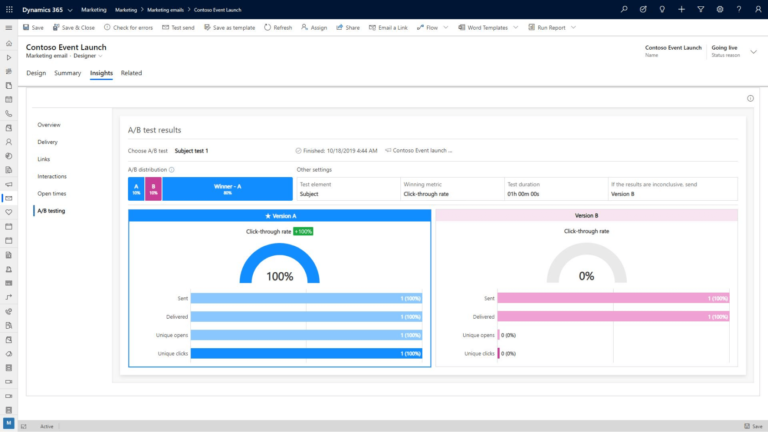
Finance broker CRM software is a specialized Customer Relationship Management system designed specifically for brokers in the financial industry. Unlike generic CRMs, it caters to the unique needs of mortgage brokers, loan officers, and financial advisors by centralizing client information, tracking leads, automating follow-ups, managing documents, and ensuring compliance. This tailored approach helps brokers streamline workflows, enhance client relationships, and make data-driven decisions efficiently.
Why Finance Brokers Can’t Ignore CRM Software
Financial brokers operate in an environment where time, precision, efficiency, and compliance matter more than ever. Here are key reasons why CRM software is no longer optional:
Centralized Lead and Client Management
Brokers often receive leads from multiple sources websites, referrals, social media, ads, and walk‑ins. CRM software allows you to gather all these leads in one place and track their progress from initial contact to conversion.
Automated Follow‑Ups
Manually trying to remember follow‑ups, document requests, or compliance deadlines leads to missed opportunities. CRM software automates reminders and scheduling, ensuring client engagements don’t fall through the cracks.
Compliance and Document Control
The financial sector is heavily regulated. Brokers must maintain records, track submissions, and update documentation on time. A CRM system simplifies compliance with builtin document management and audit trails.
Better Customer Experience
CRM helps brokers organize interactions, remember client preferences, and provide personalized service all factors that build trust and improve client retention.
Data‑Driven Decisions
With reporting dashboards and analytics, brokers gain insights into performance metrics like lead conversion, average deal closure time, and repayment histories. These insights help make informed business decisions.
Core Features of Finance Broker CRM Software
A quality finance broker CRM should include the following features to help improve efficiency and business growth:
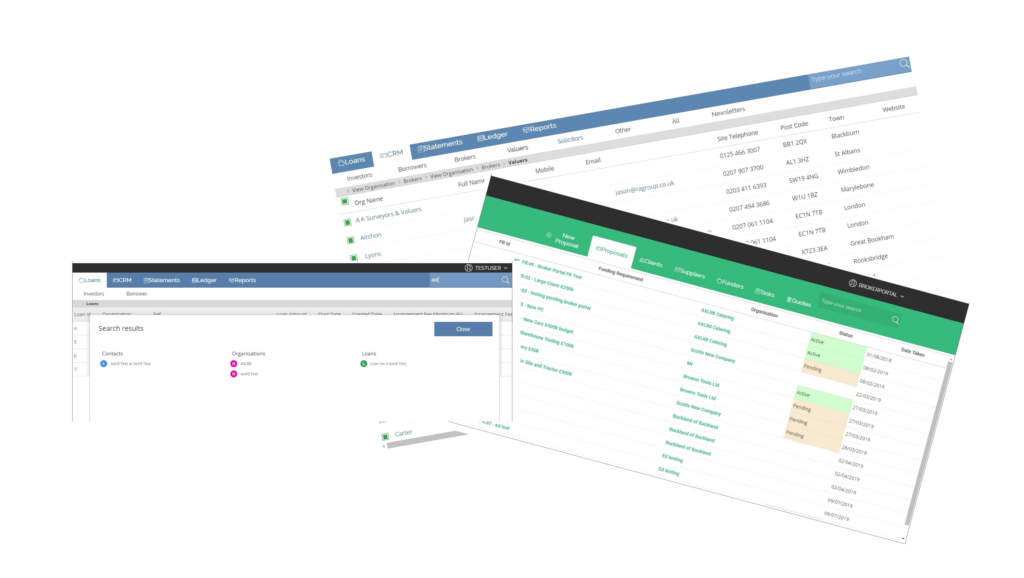
Lead Capture and Tracking
Capture prospective clients from websites, social media, email campaigns, or referral sources, and monitor their journey through the sales funnel.
Client Database and Profile Management
Store client information demographics, financial history, loan requirements, communication logs in one accessible database.
Automated Workflows and Reminders
Set reminders for follow‑ups, document collection, appointments, and compliance deadlines to reduce manual task overload.
Document Management and Compliance Tools
Scan, upload, store, and retrieve documents securely. Track regulatory deadlines and ensure every file is audit‑ready.
Pipeline Visualization
Visual tools that display where each client stands from lead to qualified prospect to active loan application to closure.
Reporting and Dashboards
Generate actionable insights on sales performance, lead sources, agent performance, and revenue trends.
Communication Tools
Integrated email, SMS, and call tracking streamline outreach and ensure every client interaction is logged for future reference.
Benefits of Using Finance Broker CRM Software

Improved Lead Conversion
By tracking every lead systematically, brokers can focus efforts on high‑potential prospects and engage them at the right time, increasing the chances of conversion.
Enhanced Productivity
CRM automates many manual tasks follow‑ups, scheduling, reminders, reporting freeing brokers to focus on strategic relationship building.
Better Client Relationships
With a centralized view of client history and communication logs, brokers can provide personalized service that strengthens trust and loyalty.
Risk Reduction and Compliance
Automated document tracking and compliance notifications reduce the risk of regulatory penalties or missed deadlines.
Accurate Reporting and Forecasting
Dashboards and analytics provide deep insights into business health, enabling smarter decisions and better planning for growth.
How to Choose the Right CRM Software for Finance Brokers
Selecting the perfect CRM solution can be challenging. Here are essential steps and considerations:

Identify Your Business Needs
Start by listing your must‑have features: lead capture, document management, compliance tracking, automated workflows, or analytics. Make sure the CRM matches your business model.
Check Integration Capabilities
Ensure the CRM can integrate with your existing tools like email, SMS platforms, accounting software, and lead sources.
Evaluate Ease of Use
A steep learning curve can stall adoption. Choose CRM software with a user‑friendly interface that team members can use without extensive training.
Security and Data Protection
Financial data is sensitive. Check whether the CRM includes encryption, access controls, and secure cloud storage to protect your clients and business.
Scalability and Future‑Readiness
As your business grows, your CRM should grow with you. Choose a solution that supports more users, more data, and advanced features over time.
Support and Training
Reliable customer support and training resources ensure that your team can solve issues quickly and use the CRM effectively.
Implementation Tips to Get the Most Out of Your CRM
Implementing CRM software is just the beginning of success depending on how well you use it. Consider these best practices:

Train Your Team Thoroughly
A powerful CRM delivers value only if your team knows how to use it properly. Conduct training sessions and provide continuous learning resources.
Standardize Processes
Document workflows for lead intake, document collection, follow‑ups, and loan processing. Standard procedures reduce confusion and ensure consistent results.
Keep Data Clean and Updated
Duplicate, inaccurate, or outdated data reduces CRM effectiveness. Regularly audit your database to ensure accuracy.
Use Automation Wisely
Automate repetitive tasks like reminders, follow‑up messages, and reporting to save time, but ensure personalization where needed.
Monitor Metrics and Optimize
Use CRM reports to track lead conversion rates, client response times, and sales performance. Use these insights to refine your workflow continuously.
Common Mistakes Finance Brokers Make with CRM and How to Avoid Them

Relying on Manual Processes
Using spreadsheets or notes might seem easy initially but becomes inefficient as your business grows. Transition to a CRM early to avoid chaos.
Ignoring Integration Options
If your CRM doesn’t integrate with email, SMS, or accounting tools, you lose visibility and manual work increases. Always select a CRM that connects seamlessly with your current ecosystem.
Under‑Utilizing Features
Many brokers only use CRMs as contact databases and miss out on automation, reminders, or reporting features. Get full value by exploring all functionalities.
Poor Data Management
Unclean data leads to inaccurate reports and missed opportunities. Regular data hygiene is essential.
FAQS
1. What is a finance broker CRM?
It is a specialized CRM platform designed for financial brokers to manage leads, client relationships, compliance, documents, and sales pipelines.
2. How does CRM improve lead conversion?
CRM systems track leads from initial contact to closure, automate follow‑ups, and organize outreach, enabling brokers to engage clients at the right time.
3. Can CRM software integrate with other tools?
Yes, most modern CRM solutions integrate with email, SMS, accounting systems, and marketing platforms for seamless data flow.
4. Is CRM expensive for small brokerages?
CRM costs vary, but many SaaS‑based platforms offer scalable pricing and modules that fit small brokerage budgets without overwhelming costs.
5. How long does it take to implement CRM?
Implementation can take anywhere from a few days to several weeks, depending on data migration needs, team training, and customization requirements.
Conclusion
Finance broker CRM software equips financial professionals with tools to stay organized, automate tasks, improve client relationships, and make data‑driven decisions. By choosing a solution tailored to finance brokering, firms can boost efficiency, enhance compliance, and increase revenue over time. With strategic implementation, training, and continuous optimization, a CRM becomes not just a tool but a growth driver in a competitive financial market.