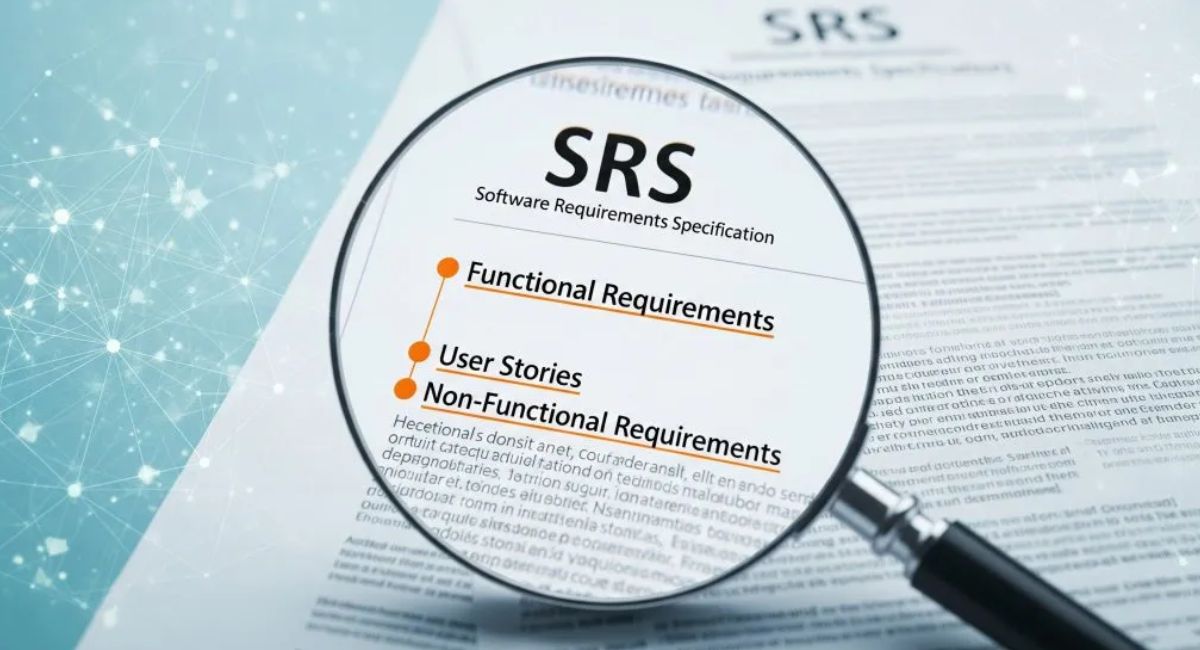
What is Software Specifications – Complete Guide
Software specifications define a clear and detailed description of what a software system should do and how it should perform. It includes functional requirements, non-functional requirements, system behavior, features, constraints, and performance standards. These specifications act as a foundation for developers, testers, and stakeholders to understand project expectations before development begins. Without proper specifications, software projects can face confusion, delays, and failures. This article explains software specifications in a simple, professional, and SEO-friendly way for beginners and learners.
Learn what is software specifications, its types, features, importance, benefits, and role in software development in this complete beginner guide.
- What are Software Specifications?
- Importance of Software Specifications
- Types of Software Specifications
- Features of Software Specifications
- Benefits of Software Specifications
- Process of Writing Software Specifications
- Real-Life Examples of Software Specifications
- Common Mistakes in Software Specifications
- Challenges in Software Specifications
- Role of Software Specifications in Development
- Best Practices for Software Specifications
- FAQ’s
- Conclusion
- Related post
What are Software Specifications?
Software specifications are detailed documents that describe the complete requirements and behavior of a software system in a structured and clear manner.
They explain what the system will do, how it will operate in different conditions, how users will interact with it, and what limitations or constraints it may have during execution.
These specifications also define system functions, performance expectations, security requirements, and design rules to ensure the software is built correctly and works as intended.
In simple terms, software specifications act as a blueprint for software development. They guide developers in building the correct system and help clients understand exactly what will be delivered.
A well-written specification includes:
- System functions and features
- User requirements and expectations
- Performance and speed requirements
- Security and data protection rules
- Design constraints and limitations
These details ensure clarity and reduce misunderstandings during development.
Importance of Software Specifications
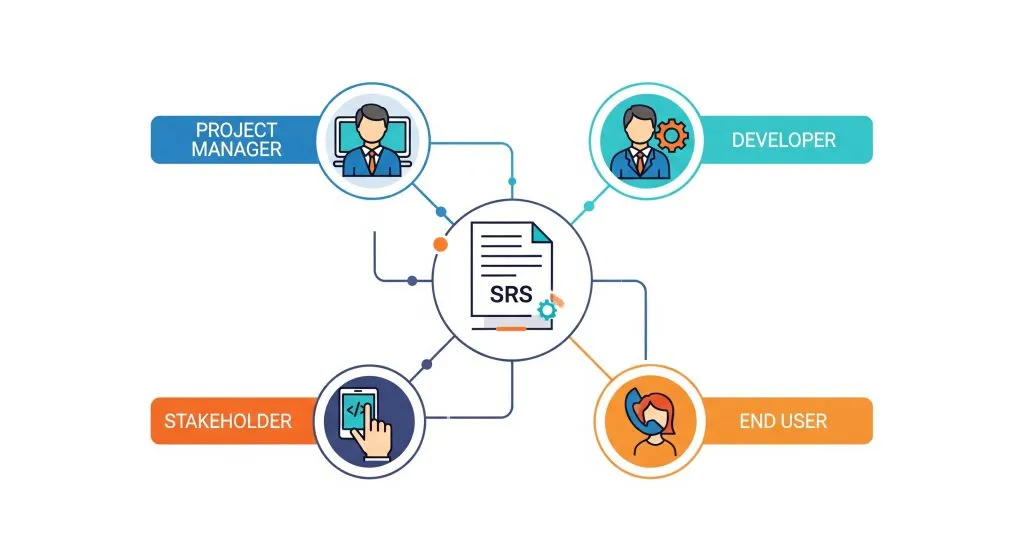
Software specifications are extremely important because they provide clear direction, structured guidance, and a complete framework for the entire software development process, ensuring accuracy, efficiency, consistency, and better communication between developers, testers, and clients, while reducing errors, misunderstandings, and project risks.
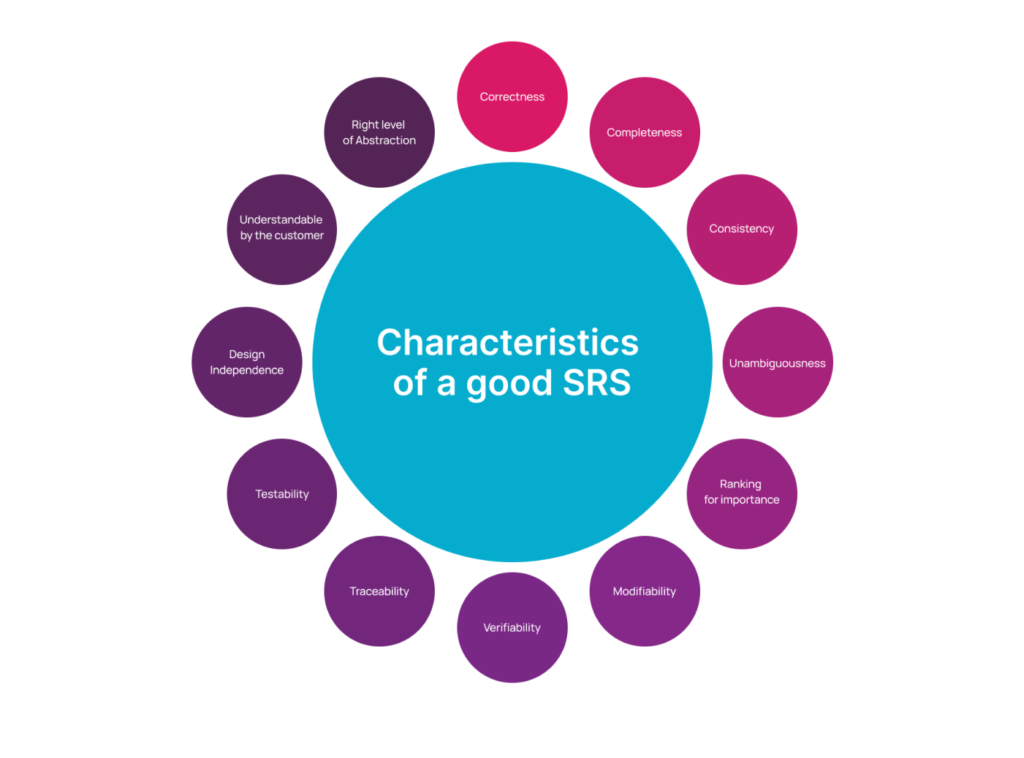
Key Importance Points:
- Provide a clear project roadmap
- Reduce errors, confusion, and miscommunication
- Improve collaboration between developers and clients
- Help in accurate budget and time estimation
- Ensure proper system functionality and behavior
- Support effective testing and quality assurance
- Reduce risk of project failure or rework
Without proper specifications, software projects can become disorganized and unreliable.
Types of Software Specifications
1. Functional Specifications
These describe the features and functions of the software system.
Examples:
- User login and registration system
- Search and filtering options
- Data input and output operations
- System responses to user actions
2. Non-Functional Specifications
These describe the quality and performance standards of the software.
Examples:
- System speed and response time
- Security and encryption methods
- Scalability for future users
- Usability and user experience
3. Technical Specifications
These define the technical environment and tools used in development.
Examples:
- Programming languages (Java, Python, etc.)
- Frameworks (React, Angular, Django)
- Database systems (MySQL, MongoDB)
- Server and hosting environment
Each type plays a vital role in building a complete software system.
Features of Software Specifications
Software specifications include several important features that make development structured and efficient.
- Clear description of system requirements
- Defined user goals and expectations
- Detailed explanation of software behavior
- Performance and security standards
- System limitations and constraints
- Testing and validation criteria
- Structured and documented format
These features ensure that developers follow a proper development path.
Benefits of Software Specifications
Using proper software specifications provides multiple advantages:
- Reduces development errors and bugs
- Improves project planning and estimation
- Enhances communication between teams
- Saves time in coding and testing phases
- Improves overall software quality and reliability
- Prevents misunderstanding between client and developer
- Helps in better project management
- Increases user satisfaction
Process of Writing Software Specifications
Creating software specifications follows a structured process:
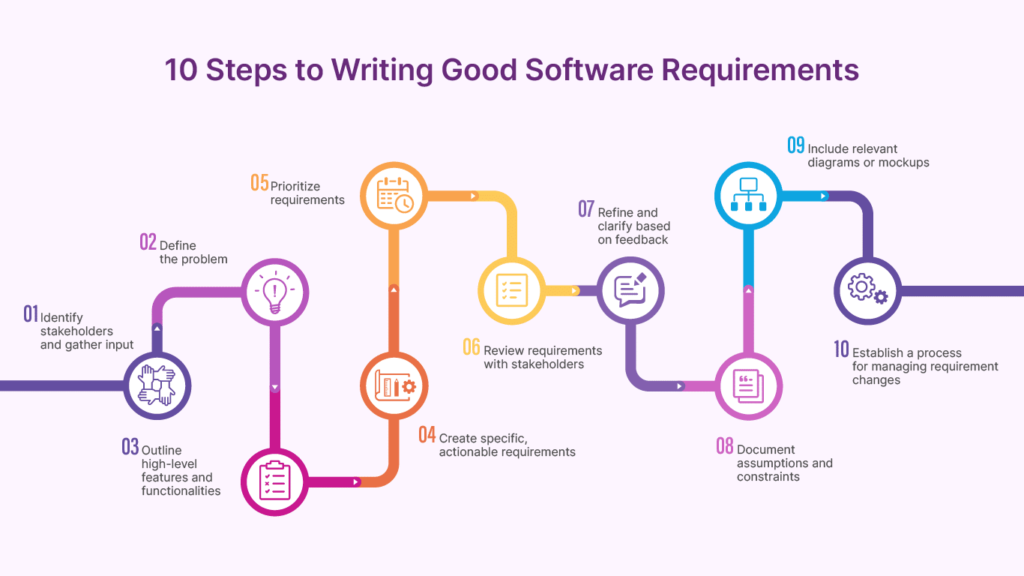
Steps:
- Collect user and client requirements
- Analyze system goals and needs
- Define functional requirements clearly
- Define non-functional requirements
- Document everything in detail
- Review with stakeholders
- Update changes when required
This process ensures accuracy and reduces future development issues.
Real-Life Examples of Software Specifications
Here are simple examples of software specifications:
- A mobile app must allow user registration and login
- A website must load within 3 seconds
- The system should support 1000+ active users
- Data must be protected using encryption methods
- The software should work on multiple platforms
These examples show how specifications define exact system behavior.
Common Mistakes in Software Specifications
Many projects fail due to poor software specifications:
- Unclear or incomplete requirements
- Missing performance standards
- Poor communication between teams
- Overly complex documentation
- Not updating changes regularly
- Ignoring user feedback
Avoiding these mistakes improves project success.
Challenges in Software Specifications
Writing software specifications can be challenging due to:
- Changing client requirements
- Lack of clear communication
- Technical limitations
- Time constraints
- Unclear project goals
Proper planning helps reduce these challenges.
Role of Software Specifications in Development
Software specifications play a key role in every stage:
- Planning stage: defines project scope
- Design stage: guides system structure
- Development stage: helps coding process
- Testing stage: used for validation
- Maintenance stage: helps in updates
They ensure smooth workflow throughout the project lifecycle.
Best Practices for Software Specifications
To create effective software specifications, follow these practices:
- Use simple and clear language
- Avoid technical confusion for clients
- Keep proper structure and formatting
- Include all requirements clearly
- Update documents regularly
- Involve stakeholders in review process
These practices improve accuracy and reduce risks.
FAQ’s
1. What are software specifications?
Software specifications are detailed documents that describe system requirements, behavior, features, constraints, and performance expectations, guiding developers to build accurate, reliable, and efficient software systems.
2. Why are software specifications important?
They are important because software specifications provide clarity, reduce errors, and ensure smooth communication between developers and clients throughout the entire software development process.
3. What are the types of software specifications?
The main types of software specifications include functional specifications, non-functional specifications, and technical specifications, each defining different aspects of system requirements and software behavior clearly.
4. Who creates software specifications?
They are usually created by business analysts, system analysts, or software architects, who gather requirements, analyze needs, and prepare detailed documentation for software development projects.
5. Can software specifications change?
Yes, software specifications can be updated during development if project requirements change, ensuring the system remains accurate, relevant, and aligned with client expectations and needs.
Conclusion
Software specifications are essential for successful software development. They define system requirements, behavior, and performance standards clearly. They help developers build accurate systems and improve communication between teams. With proper specifications, projects become more organized, efficient, and reliable. They act as a foundation for delivering high-quality software that meets user and business needs effectively.