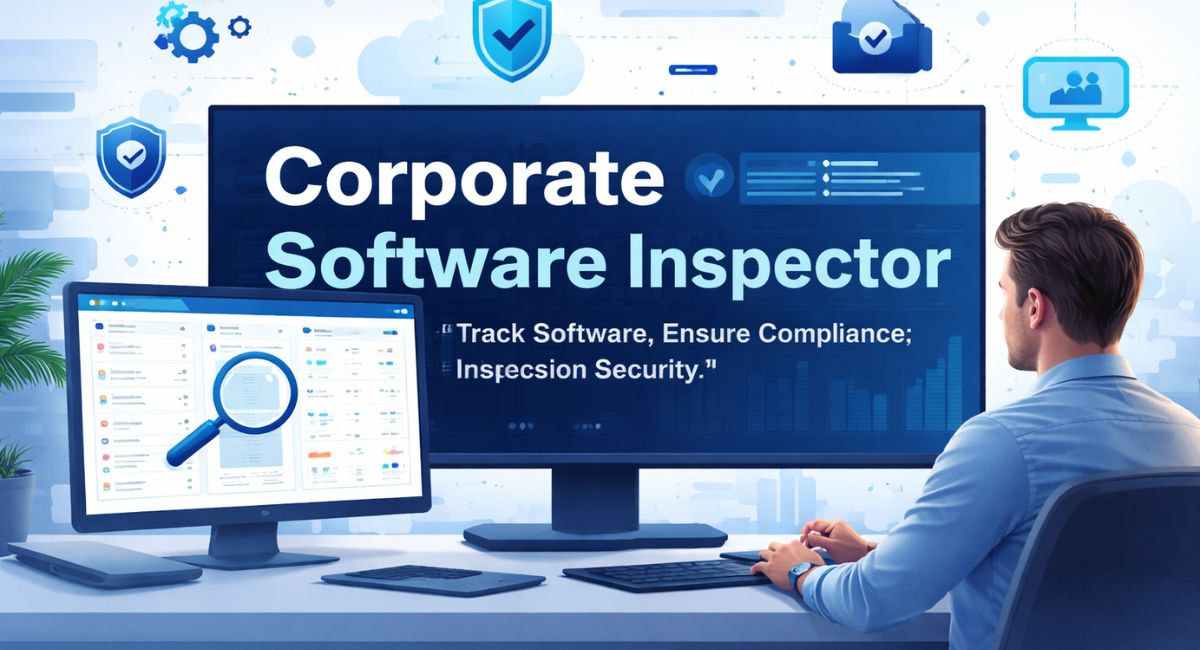
Corporate Software Inspector- Complete Guide for Business Security
A Corporate Software Inspector is an essential cybersecurity tool designed to detect outdated, vulnerable, or unsupported software within business systems. Modern companies rely heavily on digital infrastructure, making software security a top priority. Vulnerable applications can expose organizations to malware, ransomware, and data breaches. A corporate software inspection solution helps businesses identify security risks, maintain compliance, improve system performance, and protect sensitive information from cyber threats through automated monitoring and software vulnerability management.
Learn how a Corporate Software Inspector helps businesses detect outdated software, fix vulnerabilities, manage patches, improve compliance, and strengthen cybersecurity protection.
- What Is a Corporate Software Inspector?
- Why Corporate Software Inspection Is Important
- How Corporate Software Inspectors Work
- Key Features of Corporate Software Inspector Tools
- Benefits of Using Corporate Software Inspector
- Common Security Risks Caused by Outdated Software
- Industries That Use Corporate Software Inspector
- How Corporate Software Inspectors Improve Compliance
- Patch Management and Software Inspection
- Challenges Businesses Face Without Software Inspection
- Best Practices for Using Corporate Software Inspector
- How Corporate Software Inspector Supports IT Teams
- Cloud-Based vs On-Premise Software Inspection
- Future of Corporate Software Inspection
- FAQ’s
- Conclusion
- Related post
What Is a Corporate Software Inspector?
A Corporate Software Inspector is a security management tool that scans company devices, servers, and networks to detect outdated software, missing patches, and potential security vulnerabilities.
It provides visibility into installed applications and identifies risky or unsupported versions that may expose systems to cyber threats. The tool helps IT teams quickly find weaknesses, apply updates, and maintain a secure and stable corporate IT environment.
The software helps organizations:
- Detect vulnerable applications
- Monitor software versions
- Manage security patches
- Reduce cyber risks
- Improve compliance
- Strengthen endpoint security
Businesses use these tools to maintain a secure IT environment and reduce the risk of cyberattacks.
Why Corporate Software Inspection Is Important
Modern businesses rely on multiple software applications every day to manage operations efficiently.

However, outdated software often contains hidden security flaws and vulnerabilities.
These weaknesses can be easily exploited by hackers to gain unauthorized access.
Such attacks may lead to data breaches, system damage, or financial losses.
Keeping software updated is essential for maintaining strong cybersecurity protection.
Major Reasons Businesses Need Software Inspection
- Protection against malware
- Prevention of ransomware attacks
- Improved cybersecurity compliance
- Reduced system vulnerabilities
- Better network security
- Automated software monitoring
Cybercriminals often target businesses running unsupported or outdated applications.
How Corporate Software Inspectors Work
A Corporate Software Inspector continuously scans systems to identify security weaknesses.
The Inspection Process Includes
- Scanning installed applications
- Detecting outdated versions
- Checking known vulnerabilities
- Comparing patch databases
- Generating security reports
- Recommending updates
These tools help IT teams maintain better control over software environments.
Key Features of Corporate Software Inspector Tools
Modern software inspection platforms include advanced security management features.
Important Features
- Automated vulnerability scanning
- Patch management
- Real-time monitoring
- Compliance reporting
- Centralized dashboard
- Software inventory management
- Threat detection alerts
These features improve overall cybersecurity management efficiency.
Benefits of Using Corporate Software Inspector
Businesses gain multiple advantages by implementing software inspection solutions.
Improved Cybersecurity
Regular software scanning reduces vulnerabilities that hackers may exploit.
Better Compliance Management
Many industries require organizations to maintain updated and secure systems.
Reduced Downtime
Detecting software problems early helps prevent operational interruptions.
Centralized IT Management
IT administrators can monitor all business devices from a single platform.
Faster Software Updates
Automated patching improves update efficiency across company networks.
Common Security Risks Caused by Outdated Software
Outdated applications create dangerous entry points for attackers.
Major Risks Include
- Data breaches
- Ransomware infections
- System crashes
- Unauthorized access
- Financial losses
- Compliance penalties
Businesses that ignore software updates face higher cybersecurity risks.
Industries That Use Corporate Software Inspector
Many industries rely on software inspection tools for security and compliance.
Common Industries Include
- Healthcare
- Finance
- Education
- Government organizations
- Technology companies
- Retail businesses
Organizations handling sensitive customer data require strong software security systems.
How Corporate Software Inspectors Improve Compliance
Compliance regulations require businesses to maintain secure digital systems.
Compliance Standards Supported
- GDPR
- HIPAA
- PCI DSS
- ISO security standards
Software inspection tools help businesses identify compliance violations quickly.
Patch Management and Software Inspection
Patch management is one of the most important features of software inspection tools.
Benefits of Automated Patch Management
- Faster security updates
- Reduced manual workload
- Better vulnerability protection
- Improved software stability
- Reduced cyberattack exposure
Timely patch installation helps prevent major security incidents.
Challenges Businesses Face Without Software Inspection
Companies without software monitoring systems often struggle with security management.
Common Challenges
- Poor visibility into vulnerabilities
- Delayed software updates
- Increased cyberattack risks
- Manual security management
- Compliance failures
Automated inspection tools simplify these complex IT security tasks.
Best Practices for Using Corporate Software Inspector
Organizations should follow proper security strategies for maximum protection.
Recommended Best Practices
- Perform regular software scans
- Enable automatic updates
- Monitor vulnerability reports
- Train employees on cybersecurity
- Maintain software inventories
- Remove unsupported applications
Consistent monitoring improves long-term cybersecurity performance.
How Corporate Software Inspector Supports IT Teams
IT departments manage hundreds of applications across multiple devices.
Key IT Benefits
- Centralized software management
- Automated reporting
- Faster vulnerability detection
- Reduced administrative workload
- Improved endpoint visibility
These tools help IT professionals manage systems more efficiently.
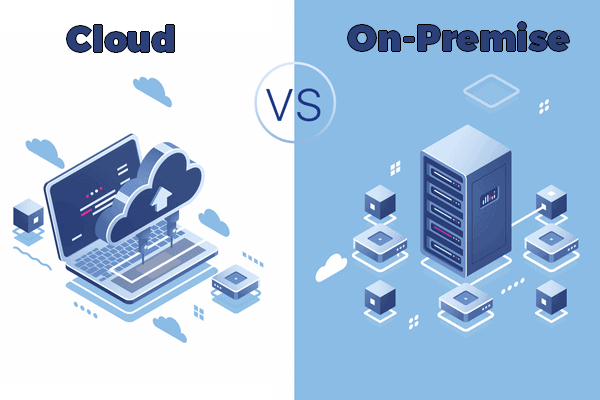
Cloud-Based vs On-Premise Software Inspection
Businesses can choose between cloud-based and on-premise security solutions.
Cloud-Based Solutions
Benefits include:
- Remote accessibility
- Easier updates
- Lower hardware costs
- Faster deployment
On-Premise Solutions
Advantages include:
- Greater internal control
- Custom security configurations
- Local data management
The right solution depends on company size and security requirements.
Future of Corporate Software Inspection
Cybersecurity technologies continue evolving rapidly.
Future Trends May Include
- AI-powered vulnerability detection
- Advanced threat intelligence
- Automated risk analysis
- Machine learning security systems
- Predictive cybersecurity monitoring
These innovations will improve business protection against emerging cyber threats.
FAQ’s
1.What is a Corporate Software Inspector?
A Corporate Software Inspector is a cybersecurity tool that scans systems for outdated software, vulnerabilities, and missing security patches within business environments.
2.Why is software inspection important for businesses?
Software inspection helps businesses reduce cybersecurity risks, improve compliance, prevent malware attacks, and maintain secure and updated software environments across networks.
3.outdated software cause security breaches?
Yes, outdated software often contains vulnerabilities that hackers exploit to gain unauthorized access, spread malware, or steal sensitive business information from systems.
4.How often should businesses scan their software?
Businesses should perform software scans regularly, preferably daily or weekly, to identify vulnerabilities quickly and maintain strong cybersecurity protection consistently.
5.Does Corporate Software Inspector improve compliance?
Yes, Corporate Software Inspector helps organizations maintain compliance with regulations like GDPR, HIPAA, and PCI DSS through continuous vulnerability monitoring and reporting.
Conclusion
A Corporate Software Inspector is essential for modern cybersecurity management, helping businesses detect outdated software, reduce vulnerabilities, and maintain compliance. With automated patch management and centralized monitoring, organizations can strengthen digital infrastructure and improve system efficiency. It also protects sensitive data, reduces cyber threats, and ensures stronger overall security in today’s fast-changing digital business environment.