Droven io DevOps Tutorials- Complete Beginner Guide for 2026
Droven io DevOps tutorials are a practical starting point for anyone who wants to understand modern software delivery without getting lost in jargon. They explain DevOps in a clear way, showing how code moves from development to testing, deployment, monitoring, and security through simple, repeatable steps.
- What DevOps Means
- Why Droven io Helps
- Start With Linux
- Learn Git Early
- Understand CI/CD
- Docker And Containers
- Kubernetes Basics
- Infrastructure As Code
- Cloud And Deployment
- Monitoring And Logs
- Security In DevOps
- Real Project Practice
- Common Beginner Mistakes
- Who Should Follow It
- FAQ’s
- Conclusion
- Related post
In 2026, DevOps is no longer just a nice extra skill. It is part of how modern teams build reliable software, reduce manual work, and release updates faster. This guide walks you through the core topics Droven io DevOps tutorials should cover, why they matter, and how a beginner can use them to build real skills.
Learn Droven io DevOps tutorials with a beginner-friendly roadmap covering Linux, Git, CI/CD, Docker, Kubernetes, cloud, and security in 2026.
What DevOps Means
DevOps combines development and operations into one connected workflow. Instead of developers writing code and handing it off to another team, DevOps encourages collaboration, automation, and continuous improvement across the whole delivery process.
The goal is simple: ship software faster, catch problems earlier, and keep systems stable after deployment. When done well, DevOps reduces delays, improves communication, and makes releases more predictable.
Why Droven io Helps
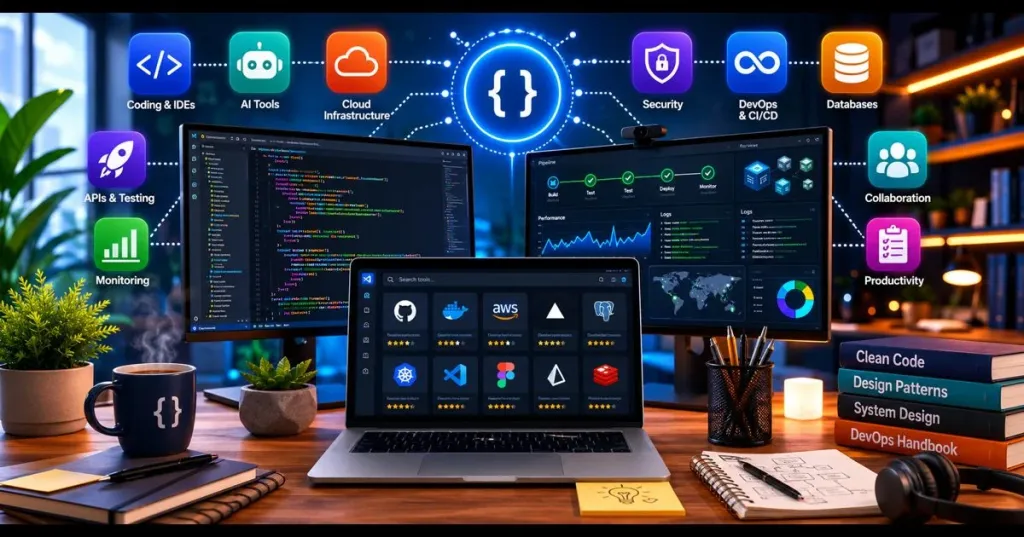
What makes Droven io useful is its beginner-first approach. Many learning resources jump straight into tools like Docker or Kubernetes without explaining the foundation behind them. Droven io DevOps tutorials are more effective when they build knowledge in a logical order, so learners understand both the “how” and the “why.”
That matters because DevOps is not one tool. It is a set of practices supported by tools. If you understand the workflow first, the tools become much easier to learn and use correctly.
Start With Linux
Linux is the base of most DevOps environments. If you want to work with servers, containers, cloud systems, or automation, you need at least a working understanding of Linux commands, permissions, files, processes, and shell basics.
Droven io tutorials should begin here because Linux gives beginners the confidence to work in real environments. Once you can navigate directories, manage files, read logs, and run basic scripts, the rest of DevOps becomes much less intimidating.
Learn Git Early
Git is essential for version control and team collaboration. It lets developers track changes, create branches, merge work safely, and roll back mistakes when needed. In a DevOps workflow, Git is also the foundation for pull requests, code reviews, and pipeline triggers.
A good tutorial path teaches Git before automation tools. That way, learners understand how code changes move through a project and why version control is so important for safe releases.
Understand CI/CD
CI/CD stands for continuous integration and continuous delivery or deployment. Continuous integration means code changes are tested regularly, usually every time someone pushes code. Continuous delivery means the code is always ready for release. Continuous deployment goes one step further by deploying changes automatically when checks pass.
This is one of the most valuable parts of DevOps because it replaces slow manual workflows with fast, reliable automation. Droven io tutorials should show how pipelines run tests, catch errors, and support safer releases.
Docker And Containers
Docker is one of the most important tools in modern DevOps because it packages an application with its dependencies into a portable container. This solves the common problem of software working in one environment but failing in another.
For beginners, Docker is usually the first hands-on tool that makes DevOps feel real. Once you can build an image, run a container, map ports, and inspect logs, you start to understand how applications behave in a consistent and repeatable way.
Kubernetes Basics
After Docker, the next logical step is Kubernetes. Kubernetes manages containers at scale by handling deployment, scaling, networking, and recovery. It is more advanced than Docker, so it should come after the basics are clear.
Droven io DevOps tutorials should introduce core Kubernetes concepts like pods, deployments, services, and namespaces in simple language. Beginners do not need to master everything at once; they just need enough understanding to see how large systems are organized and controlled.
Infrastructure As Code
Infrastructure as Code, or IaC, means defining servers, networks, and cloud resources in files instead of clicking through dashboards by hand. This makes infrastructure repeatable, version-controlled, and easier to audit.
For beginners, this is a major mindset shift. Instead of treating infrastructure like something fixed and manual, they learn that it can be managed like software. That opens the door to tools such as Terraform and makes cloud automation much easier to understand.
Cloud And Deployment
Most modern DevOps work happens in the cloud. Whether a team uses AWS, Azure, or Google Cloud, the ideas are similar: launch resources, secure access, deploy applications, and scale when demand grows.
Droven io tutorials should explain cloud basics in a practical way. Learners should understand compute, storage, networking, permissions, and deployment workflows before moving into advanced cloud design.
Monitoring And Logs
Deploying software is only the beginning. Real DevOps work also includes monitoring, logging, and observability. These practices help teams understand what the system is doing, spot problems quickly, and fix issues before users are affected.
A strong beginner guide should explain metrics, logs, and alerts in simple terms. Tools like dashboards and central log systems become far more useful when learners understand what to look for and why it matters.
Security In DevOps
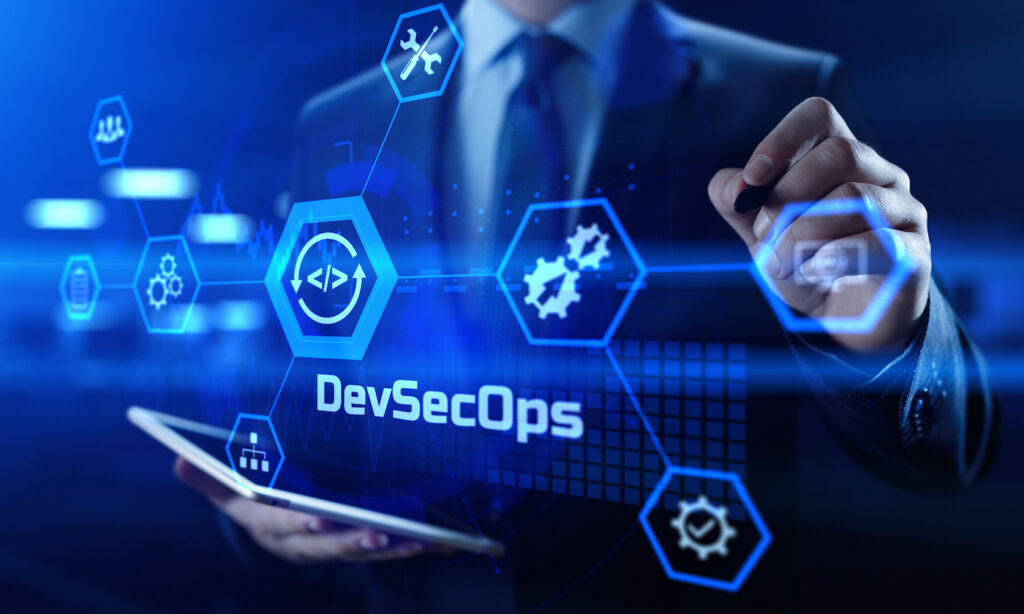
Security should not be added at the end. In modern workflows, security is part of the pipeline from the beginning. This approach is often called DevSecOps.
Droven io DevOps tutorials should include secrets management, vulnerability scanning, dependency checks, and access control. This helps beginners understand that safe delivery is just as important as fast delivery.
Real Project Practice
The best way to learn DevOps is by building something real. A beginner can start with a simple web application and then add Git, a CI pipeline, a Docker container, a cloud deployment, and monitoring.
This kind of project turns abstract ideas into practical experience. It also gives learners something useful to show in a portfolio or interview. More importantly, it teaches how all the parts of DevOps connect in one working system.
Common Beginner Mistakes
One common mistake is trying to learn everything at once. DevOps includes many tools, but a beginner should focus on the workflow first and the tools second. Another mistake is reading too much and practicing too little.
A strong tutorial path avoids these problems by moving step by step. It should build confidence gradually so the learner can understand each topic before moving to the next one.
Who Should Follow It
Droven io DevOps tutorials are useful for students, junior developers, career switchers, and IT professionals who want to move into automation or cloud-focused roles. They are also helpful for anyone who wants to understand how modern software teams work behind the scenes.
If you already know basic coding and want to learn how software is built, tested, and deployed in real life, this kind of guide is a good fit.
FAQ’s
1.What are Droven io DevOps tutorials?
They are beginner-friendly learning guides that explain DevOps concepts, tools, and workflows in a simple and practical way.
2.Do I need coding experience before learning DevOps?
Basic coding helps, but you do not need to be an expert. A simple understanding of logic, files, and commands is enough to begin.
3.What should I learn first in DevOps?
Start with Linux and Git, then move to CI/CD, Docker, cloud basics, infrastructure as code, and monitoring.
4.Is Docker enough to learn DevOps?
No. Docker is important, but DevOps also includes automation, collaboration, testing, deployment, observability, and security.
5.Can Droven io DevOps tutorials help with jobs?
Yes, especially when combined with hands-on projects. Employers value practical understanding and real workflow experience.
Conclusion
Droven io DevOps tutorials can be a strong path for beginners because they simplify a complex field into clear, manageable steps. By learning Linux, Git, CI/CD, Docker, cloud, monitoring, and security in order, you build real DevOps confidence. With practice and project work, these tutorials can help you move from beginner knowledge to job-ready skills in 2026.