Viltnemnda- Norway’s Wildlife Guardians
Wildlife management plays a vital role in maintaining ecological balance and protecting natural resources. In Norway, one of the key organizations involved in local wildlife governance is the Viltnemnda. These committees help manage wildlife populations, oversee hunting regulations, and support conservation efforts at the municipal level. By balancing environmental protection with human activities, Viltnemnda contributes significantly to sustainable wildlife management across the country.
- What Is Viltnemnda?
- History of Viltnemnda
- How Viltnemnda Is Organized
- Roles and Responsibilities of Viltnemnda
- How Viltnemnda Works in Practice
- Species Managed by Viltnemnda
- Human-Wildlife Conflict Management
- Viltnemnda and Hunting Regulations
- Technology Used in Wildlife Management
- The Role of Viltnemnda in Conservation
- Climate Change and Wildlife Management
- Benefits of Viltnemnda
- Challenges Faced by Viltnemnda
- Public Participation and Community Engagement
- Best Practices for Effective Wildlife Governance
- Practical Example: Resolving a Wildlife Conflict
- Future of Wildlife Management in Norway
- Frequently Asked Questions
- Conclusion
- Related Post
Viltnemnda is a local wildlife committee in Norway responsible for managing wildlife, regulating hunting, and supporting conservation at the municipal level.
What Is Viltnemnda?
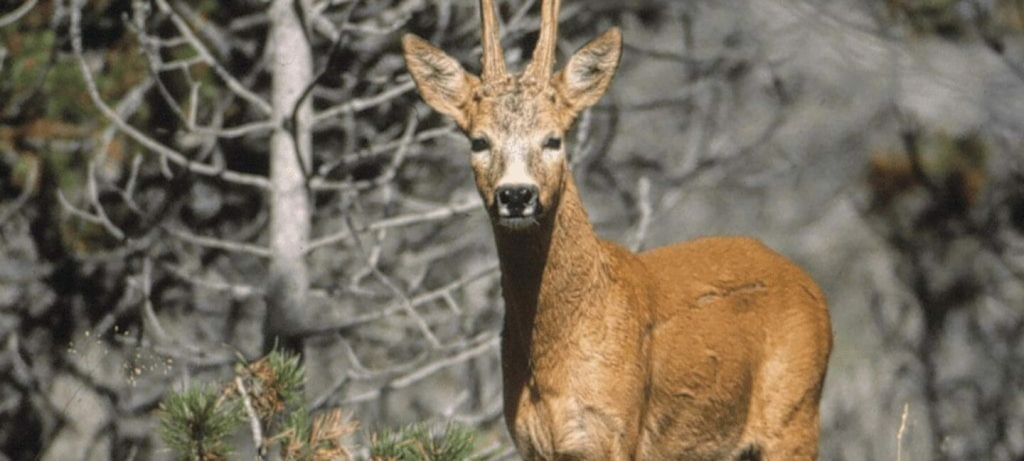
Viltnemnda is a local wildlife committee established by Norwegian municipalities to manage wildlife-related matters. It serves as a bridge between national wildlife policies andlocal implementation, ensuring that decisions reflect regional environmental conditions andcommunity needs.
Key Functions of Viltnemnda
The committee is responsible for monitoring wildlife populations, advising local authorities, overseeing hunting activities, and supporting conservation initiatives.
Why It Matters
Viltnemnda helps maintain healthy ecosystems while promoting responsible use of natural resources. Its work ensures that wildlife management decisions are based on sustainability rather than short-term interests.
History of Viltnemnda
Norway has a long tradition of wildlife conservation and sustainable hunting practices. As wildlife management became more structured, municipalities established committees to handle local responsibilities.
Origins of Wildlife Governance
Early wildlife regulations focused on protecting species from overhunting and habitat loss.
Evolution of Modern Wildlife Policies
Over time, wildlife management expanded to include biodiversity protection, conflict resolution, and ecosystem monitoring.
How Viltnemnda Is Organized
Each municipality may establish a Viltnemnda to oversee wildlife-related issues within its jurisdiction.
Member Selection Process
Committee members are generally appointed by local municipal councils and represent community interests.
Committee Structure
The structure varies by municipality, but members typically collaborate with environmental agencies, landowners, and conservation experts.
Roles and Responsibilities of Viltnemnda
The committee performs several important tasks that contribute to effective wildlife governance.
Wildlife Population Management
Viltnemnda monitors animal populations and recommends measures to maintain ecological balance.
Hunting Regulation Oversight
The committee helps implement hunting regulations and advises on quotas and permit distribution.
Conservation Efforts
Members support initiatives that protect habitats, preserve biodiversity, and encourage sustainable wildlife practices.
How Viltnemnda Works in Practice
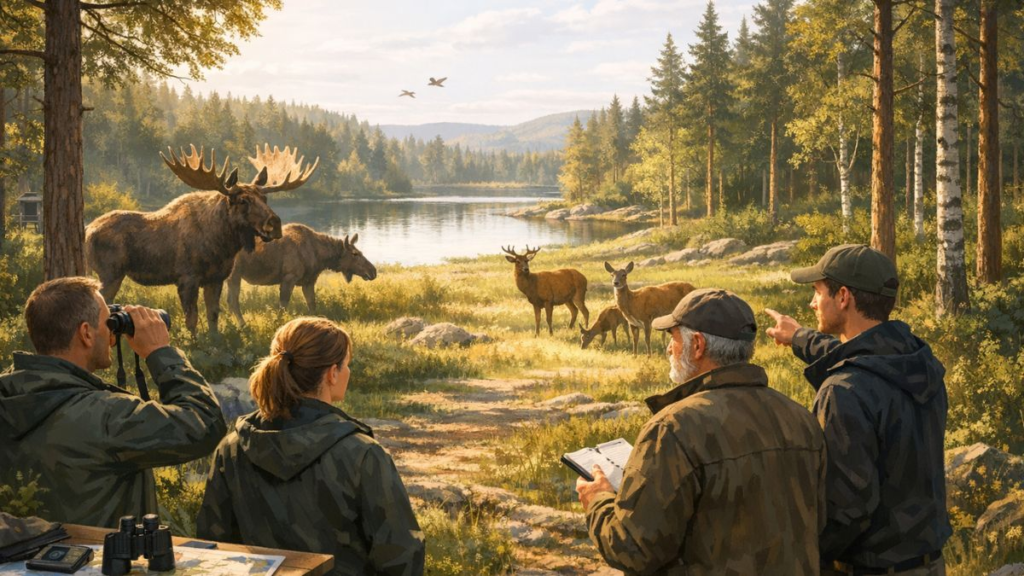
Viltnemnda relies on scientific data, field observations, and community feedback when making decisions.
Data Collection and Analysis
Wildlife population data is collected through surveys, monitoring programs, and collaboration with experts.
Decision-Making Process
Recommendations are based on environmental conditions, population trends, and conservation objectives.
Species Managed by Viltnemnda
The committee oversees a variety of wildlife species found throughout Norway.
Moose and Deer
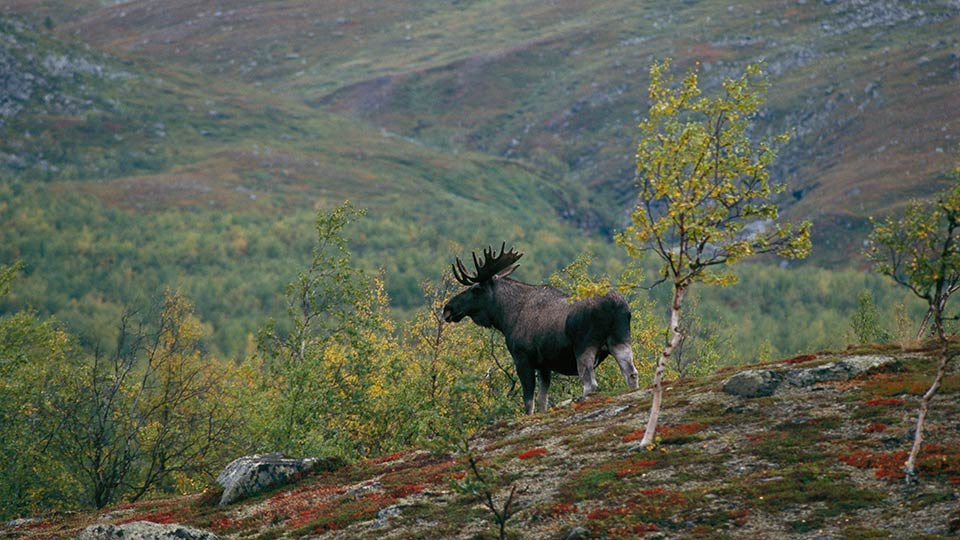
These large mammals require careful population management to prevent overgrazing and traffic-related incidents.
Wild Reindeer
Special attention is given to protecting reindeer habitats and migration routes.
Predatory Species
Monitoring predators helps maintain healthy ecosystem dynamics while addressing concerns from local communities.
Human-Wildlife Conflict Management
Balancing human activities and wildlife needs is one of Viltnemnda’s most important responsibilities.
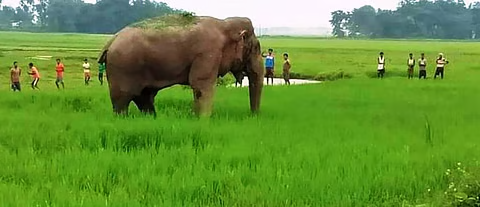
Protecting Farms and Property
The committee works with landowners to reduce damage caused by wildlife.
Enhancing Public Safety
Measures may be implemented to minimize risks associated with large animals near residential areas.
Viltnemnda and Hunting Regulations
Responsible hunting is an important part of wildlife management in Norway.
Hunting Quotas and Permits
Viltnemnda may recommend hunting quotas and assist local authorities in managing permits based on wildlife population data and conservation needs.
Promoting Sustainable Hunting
The committee supports responsible hunting practices that help maintain ecological balance while preventing overhunting and population decline.
Monitoring Wildlife Populations
Regular monitoring allows Viltnemnda to adjust hunting recommendations and ensure long-term sustainability of wildlife resources.
Technology Used in Wildlife Management
Modern wildlife management increasingly relies on advanced technologies.
GPS Tracking Systems
GPS devices help researchers monitor animal movements, migration routes, and habitat usage in real time.
Digital Monitoring Tools
Cameras, sensors, and tracking software provide valuable information about wildlife behavior and population trends.
Data Analysis and Research
Collected data is analyzed to support conservation strategies, hunting regulations, and long-term wildlife planning.
The Role of Viltnemnda in Conservation
Viltnemnda plays a key role in protecting wildlife and maintaining ecological balance. Through local management efforts, the committee helps ensure that natural habitats and animal populations remain sustainable for future generations.
Protecting Native Species
Viltnemnda supports measures that help protect native wildlife species and prevent population decline.
Preserving Natural Habitats
The committee encourages habitat conservation to ensure animals have safe environments for feeding, breeding, and migration.
Supporting Biodiversity
By managing wildlife responsibly, Viltnemnda helps maintain biodiversity and promotes healthy ecosystems across Norway.
Climate Change and Wildlife Management
Viltnemnda provides several important advantages for wildlife management in Norway. It helps balance conservation efforts with human activities while ensuring long-term ecological stability.
Improved Wildlife Conservation
Viltnemnda helps protect animal populations and maintain biodiversity through responsible management practices.
Better Hunting Regulation
It ensures that hunting activities are controlled and sustainable, preventing overhunting and ecological imbalance.
Stronger Local Decision-Making
Local committees understand regional wildlife conditions better, leading to more effective decisions.
Environmental Balance
Viltnemnda supports the balance between nature and human development, ensuring sustainable ecosystems.
Benefits of Viltnemnda
- Helps maintain balanced wildlife populations in Norway
- Supports sustainable and controlled hunting practices
- Improves local wildlife management decisions
- Protects biodiversity and natural ecosystems
- Reduces human-wildlife conflicts effectively
- Encourages community involvement in conservation efforts
Challenges Faced by Viltnemnda
- Balancing wildlife conservation with hunting interests
- Managing human-wildlife conflicts in populated areas
- Climate change affecting animal habitats and migration
- Limited resources and funding in some municipalities
- Ensuring accurate wildlife population data
- Coordinating between different stakeholders and authorities
Public Participation and Community Engagement
Community involvement plays an important role in strengthening Viltnemnda’s wildlife management efforts across local areas in Norway.
Public Feedback
Residents provide valuable observations about local wildlife activity, helping Viltnemnda make better and more accurate decisions.
Collaboration with Stakeholders
Viltnemnda works closely with hunters, landowners, researchers, and environmental organizations to ensure balanced and effective wildlife management.
Best Practices for Effective Wildlife Governance
Effective wildlife governance requires clear strategies, collaboration, and data-driven decision-making to ensure sustainable management of natural resources.
Use Data-Driven Decisions
Wildlife policies should be based on scientific data, surveys, and accurate population monitoring for better and more reliable decision-making.
Engage Local Communities
Involving local people improves decision quality and builds stronger public support for effective wildlife management efforts.
Maintain Transparency
Open communication between authorities and stakeholders builds trust and ensures fair wildlife governance processes.
Adapt Policies Regularly
Wildlife conditions change over time, so policies must be updated and improved to match environmental needs.
Collaborate with Experts
Working with environmental scientists and researchers helps improve conservation strategies and ensures effective wildlife protection.
Practical Example: Resolving a Wildlife Conflict
In a typical situation, Viltnemnda may handle increased moose activity near residential roads causing safety concerns. The committee first studies population data and evaluates the risk areas using field reports and monitoring systems. After consultation with experts and local residents, they may recommend controlled hunting quotas, awareness campaigns, or habitat adjustments to reduce conflict and ensure both human safety and wildlife balance.
Future of Wildlife Management in Norway

The future of wildlife management in Norway will focus on advanced technology, data-driven decisions, and stronger conservation strategies. With the help of AI, GPS tracking, and digital monitoring systems, authorities will be able to manage wildlife more efficiently. Climate change and environmental challenges will also shape new policies, making sustainable and adaptive wildlife management even more important in the coming years.
Frequently Asked Questions
1.What does Viltnemnda mean?
Viltnemnda is a local wildlife committee in Norway responsible for managing wildlife at the municipal level and ensuring sustainable conservation practices.
2.Who appoints Viltnemnda members?
Members are appointed by municipal councils, following local governance rules and community representation structures.
3.What animals does Viltnemnda manage?
Viltnemnda typically manages wildlife such as moose, deer, reindeer, and other native Norwegian species.
4.How does Viltnemnda affect hunting?
It helps regulate hunting quotas, permits, and ensures that hunting practices remain sustainable and environmentally responsible.
5.Is Viltnemnda important for conservation?
Yes, it plays a key role in protecting biodiversity, preserving habitats, and supporting long-term wildlife conservation efforts.
Conclusion
Viltnemnda plays a vital role in Norway’s wildlife management system by balancing conservation needs with human activities. Through monitoring wildlife populations, regulating hunting, and engaging local communities, it ensures ecological stability and sustainability. As environmental challenges grow, Viltnemnda’s importance will continue to increase in protecting biodiversity and promoting responsible natural resource management.