Tracqueur 2026-Next-Gen Tracking Guide
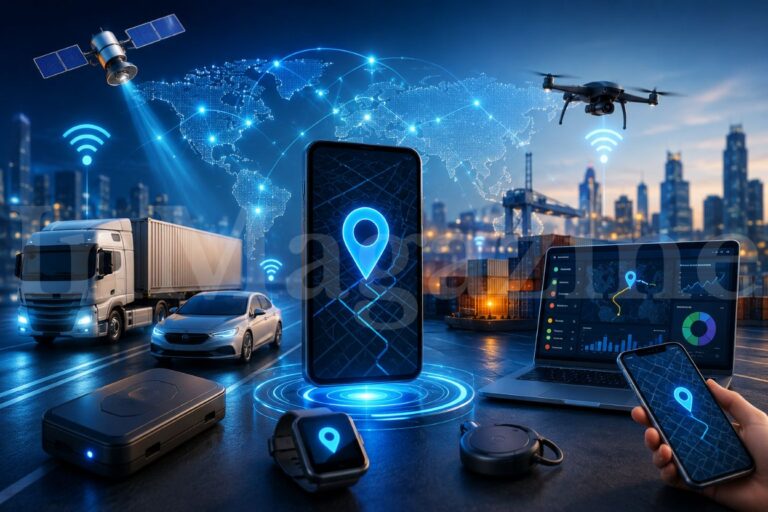
Tracqueur is a modern tracking technology used to monitor location, movement, and activity in real time. It works throughGPS, mobile networks, and cloud systems to provide accurate and instant updates.In 2026, tracqueur is widely used in personal safety, business fleet management, fitness tracking, andasset monitoring. It helps users stay informed and in control by showing live data through apps or dashboards, making tracking smarter, faster, and more reliable than traditional methods.
- What Is Tracqueur?
- How Tracqueur Works (Technical Explanation)
- Why Tracqueur Technology Is Growing
- Types of Tracqueur Systems
- Key Features of Modern Tracqueur
- Real-World Use Cases of Tracqueur
- Is Tracqueur Safe?
- Legal Aspects of Tracqueur Usage
- Tracqueur vs Traditional Tracking Systems
- Cost and Pricing Overview
- Best Tools and Devices Using Tracqueur Technology
- Benefits of Using Tracqueur
- Challenges and Limitations
- How to Choose the Right Tracqueur
- Future of Tracqueur Technology
- Frequently Asked Questions
- Conclusion
- Related Post
Tracqueur 2026 is a smart tracking system that uses GPS, cloud, and mobile tech to monitor location in real time for safety, business, and personal use.
What Is Tracqueur?
Tracqueur is amodern tracking system that uses GPS, mobile networks, and cloud technology to monitor location and movement in real time. It helps users track vehicles, people, or assets with high accuracy through mobile apps or online dashboards. In 2026, tracqueur is widely used for safety, business management, and fitness tracking. It provides instant updates, making it easier to stay informed, improve security, and manage activities efficiently from anywhere.
How Tracqueur Works (Technical Explanation)
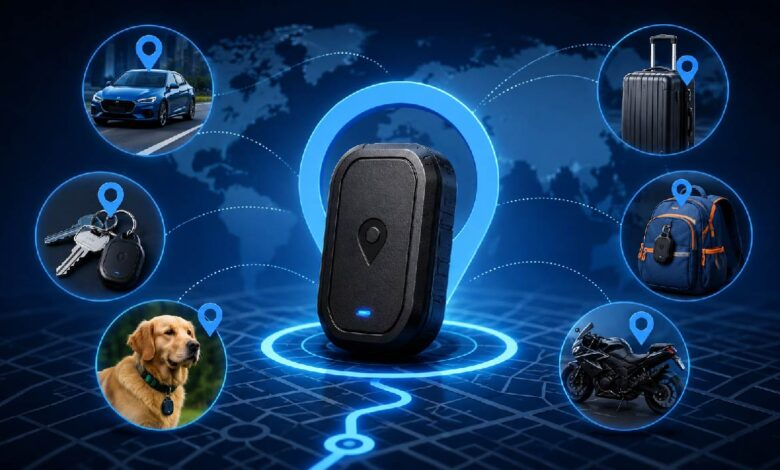
Tracqueur works by combining GPS, mobile networks, cloud systems, and apps to deliver real-time tracking with high accuracy.
GPS Satellites
Tracqueur devices connect to GPS satellites to find exact location coordinates. This is the main foundation of all tracking systems and ensures accurate positioning.
Mobile Network (GSM)
After collecting location data, the device sends it through mobile networks using a SIM connection. This allows continuous data transfer even on the move.
Cloud Processing
The received data is stored and processed in cloud servers. Here, it is analyzed and updated in real time for users to access instantly.
App Integration
Users can view all tracking details through mobile apps or web dashboards. This makes it easy to monitor live location from anywhere in the world.
Why Tracqueur Technology Is Growing
Tracqueur technology is becoming more popular because people need better safety, faster tracking, and smarter automation in daily life and business.
Rising Safety Concerns
People want reliable ways to track children, elderly family members, and valuable assets. This need for safety is a major reason for tracqueur growth.
Business Efficiency
Companies use tracqueur systems to manage delivery vehicles, reduce fuel costs, and improve overall logistics performance.
Smart Device Integration
Modern smartphones, smartwatches, and wearable devices make tracqueur systems easier to use, offering real-time tracking anytime and anywhere.
Types of Tracqueur Systems
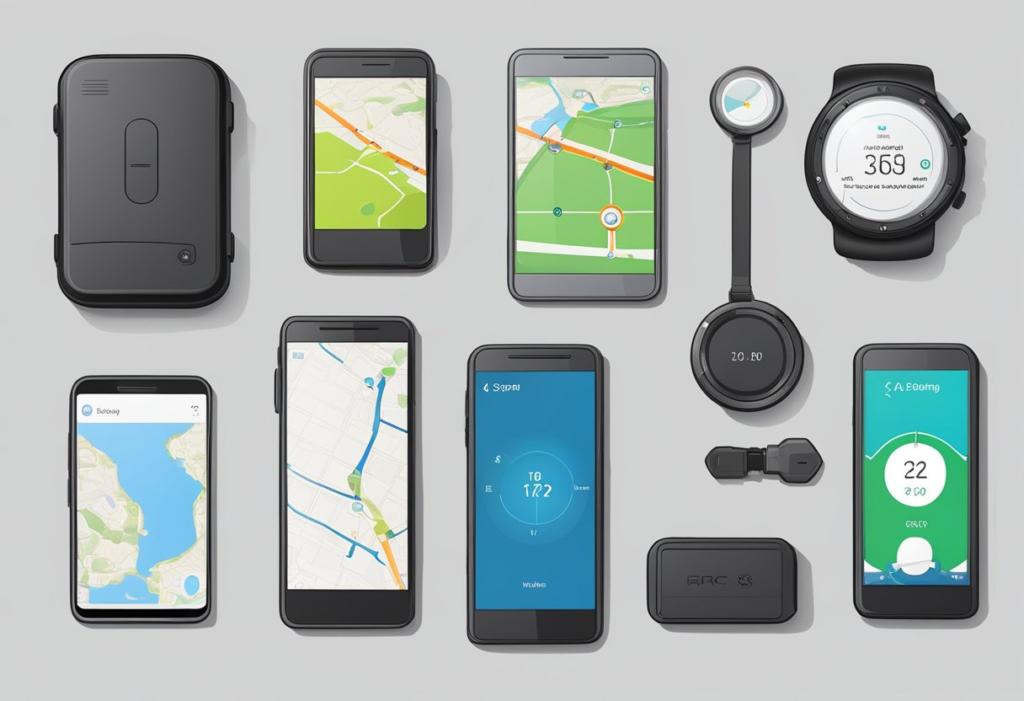
Tracqueur technology comes in different forms depending on usage.
GPS Trackers
Used for real-time location tracking of vehicles, people, or assets with high accuracy.
Vehicle Tracking Systems
Designed for fleet management, helping businesses monitor routes, speed, and fuel usage.
Personal Trackers
Small wearable devices used for safety, especially for children and elderly people.
Fitness Trackers
Used to monitor health data like steps, heart rate, sleep, and physical activity.
Asset Trackers
Used to track valuable items, shipments, or equipment in real time.
Key Features of Modern Tracqueur
Modern tracqueur systems come with advanced features such as:
- Real-time location tracking
- Location history playback
- Instant alerts and notifications
- Geofencing (virtual boundary alerts)
- Mobile and web app integration
- Battery optimization
- Multi-device support
Real-World Use Cases of Tracqueur
Business Fleet Management
Companies use tracqueur systems to track delivery vehicles, optimize routes, and reduce fuel costs in real time.
Personal Safety
Parents and families use tracqueur devices to monitor children or elderly members for added safety and security.
Elderly Care
Caregivers use tracking systems to ensure the safety of seniors who may need immediate assistance.
Logistics Industry
Shipping and courier companies use tracqueur to track parcels, improve delivery speed, and reduce delays.
Sports and Fitness Tracking
Athletes use tracqueur devices to monitor performance, distance, and health metrics during training.
Is Tracqueur Safe?
Tracqueur is generally safe when used with proper settings and user permission. Most systems use secure connections and encryption to protect location data from unauthorized access. However, users should always ensure ethical use and avoid tracking without consent. When used responsibly, tracqueur provides reliable safety, privacy control, and real-time monitoring without major security risks.
Legal Aspects of Tracqueur Usage
The legality of tracqueur systems depends on how and where they are used. Tracking your own devices, vehicles, or assets is generally legal in most regions. However, tracking another person without their knowledge or consent may violate privacy lawsBusinesses often need employee consent before using tracking systems. It is always important to follow local regulations to ensure tracqueur technology is used in a legal and ethical way.
Tracqueur vs Traditional Tracking Systems
- Tracqueur provides real-time updates, while traditional systems often have delays
- Tracqueur uses GPS and cloud technology, traditional methods rely on manual tracking
- Tracqueur offers higher accuracy compared to older tracking systems
- Traditional systems have limited features, while tracqueur includes smart analytics and alerts
- Tracqueur supports mobile apps, traditional tracking is less flexible
Cost and Pricing Overview
The cost of tracqueur systems varies depending on features, type, and usage. Basic personal trackers are usually affordable, while advanced vehicle or business tracking systems may require monthly subscriptions. Enterprise solutions with real-time analytics and multiple device support are more expensive. Overall, pricing depends on the level of accuracy, features, and services included in the system.
Best Tools and Devices Using Tracqueur Technology
- Smart GPS tracking devices used for real-time location monitoring
- Mobile tracking applications for personal and family safety
- Wearable fitness trackers for health and activity tracking
- Vehicle tracking systems for fleet and logistics management
- IoT-based smart tracking solutions for businesses and assets
Benefits of Using Tracqueur
- Improves personal and family safety with real-time tracking
- Helps businesses manage fleets and improve efficiency
- Provides accurate live location updates anytime
- Reduces operational costs through better route planning
- Enhances security for vehicles, assets, and loved ones
- Offers peace of mind with continuous monitoring
Challenges and Limitations
- Battery dependency reduces usage time in portable devices
- Weak GPS or network signals in remote areas
- Privacy concerns if used without proper consent
- Subscription costs for advanced features
- Internet dependency for real-time tracking updates
- Possible data security risks if systems are not encrypted properly
How to Choose the Right Tracqueur
- Identify your purpose (personal, business, or fitness tracking)
- Check accuracy and GPS performance
- Compare battery life for long usage
- Look for mobile app compatibility
- Ensure strong privacy and security features
- Compare pricing and subscription plans
- Choose devices with reliable customer support
Future of Tracqueur Technology
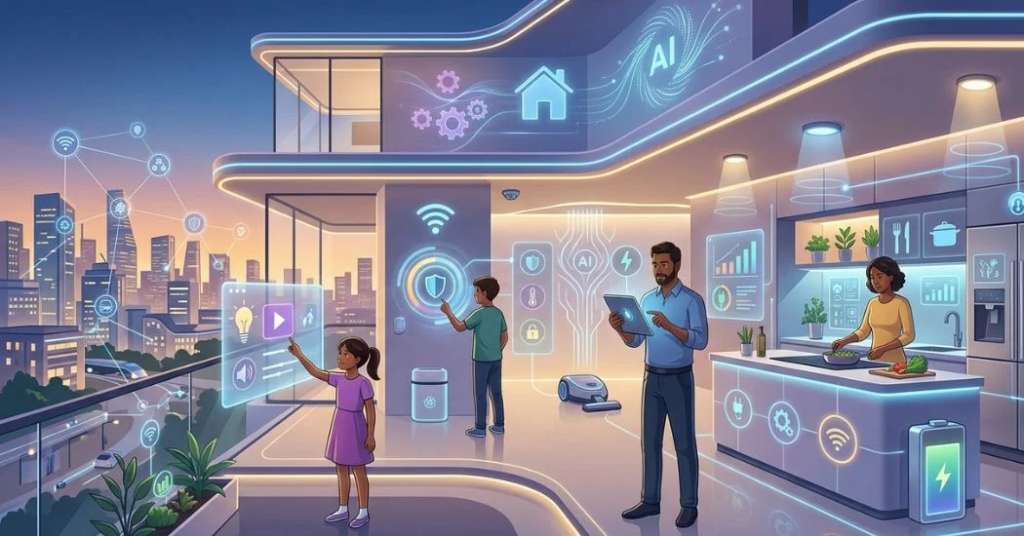
Tracqueur technology is expected to become more advanced with the integration of AI, IoT, and smarter data analytics. In the future, tracking systems will offer more accurate predictions, real-time insights, and improved automation. Devices will become smaller, faster, and more energy-efficient, making them easier to use in daily life. Overall, tracqueur technology will play a major role in smart cities, personal safety, and connected digital ecosystems.
Frequently Asked Questions
1.What is a tracqueur?
A tracqueur is a system that tracks location and movement in real time using GPS and digital technology.
2.How accurate is a tracqueur?
Most modern tracqueur systems are highly accurate, usually within a few meters depending on signal and device quality.
3.Can a tracqueur work without the internet?
Some basic functions may work offline, but real-time tracking generally requires an active internet connection.
4.Are tracqueur systems legal?
Yes, tracqueur systems are legal in most cases, but usage must follow local laws and consent requirements.
5.Who uses tracqueur technology?
Tracqueur technology is used by businesses, families, fitness users, and logistics companies for tracking and safety purposes.
Conclusion
Tracqueur technology is transforming the way people track and manage movement in 2026. From personal safety to large-scale business operations, it offers real-time insights, improved efficiency, and greater control. As technology continues to evolve, tracqueur systems will become even more intelligent, secure, and widely used across the world.